
Asia Optical targets humanoid robot supply chains for growth
Strategic pivot toward humanoid robotics
Asia Optical is positioning humanoid robotics as a core growth opportunity as demand for advanced sensing and vision systems expands beyond traditional consumer devices. Chairman I-Jen Lai said the company has already entered the supply chains of humanoid robot makers in the United States, marking a concrete step into the emerging humanoid ecosystem.
The comments were reported by Digitimes, which cited management expectations that humanoid robots could become a major consumer technology wave over the coming years.
Optics and sensing as enabling technologies
Asia Optical is best known for camera lenses and optical modules used in smartphones, notebooks, and imaging devices. In humanoid robots, similar technologies are required for perception tasks such as navigation, object recognition, depth sensing, and human interaction.
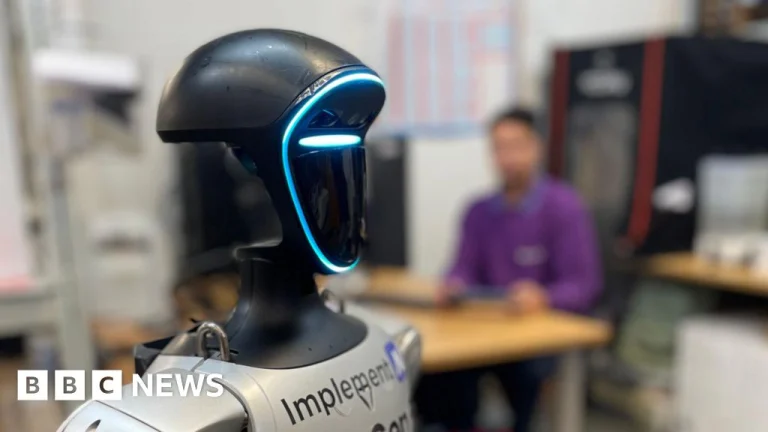
Industry observers note that humanoid platforms typically integrate multiple vision systems, including stereo cameras, depth sensors, and eye level perception units. This creates demand for compact, high precision optical assemblies that can operate reliably under continuous motion.
Supply chain implications for humanoid makers
By securing early supply chain positions, component vendors like Asia Optical can influence design choices and specifications as humanoid platforms move from prototypes toward pilot production. For robot manufacturers, establishing stable sources of optical components is critical for scaling manufacturing and meeting cost targets.
While Asia Optical did not disclose customer names or shipment volumes, its entry into humanoid robot supply chains signals growing maturity in the upstream ecosystem supporting humanoid development.
Market outlook
Humanoid robots remain at an early commercial stage, with most deployments limited to pilots in logistics, manufacturing support, and service environments. However, sustained investment by component suppliers suggests confidence that humanoid platforms will transition toward broader deployment.
For practitioners and system integrators, the move highlights the importance of optical and perception hardware as a bottleneck and differentiator in humanoid robot performance.