Nvidia humanoid platforms rely on robot hands with China ties
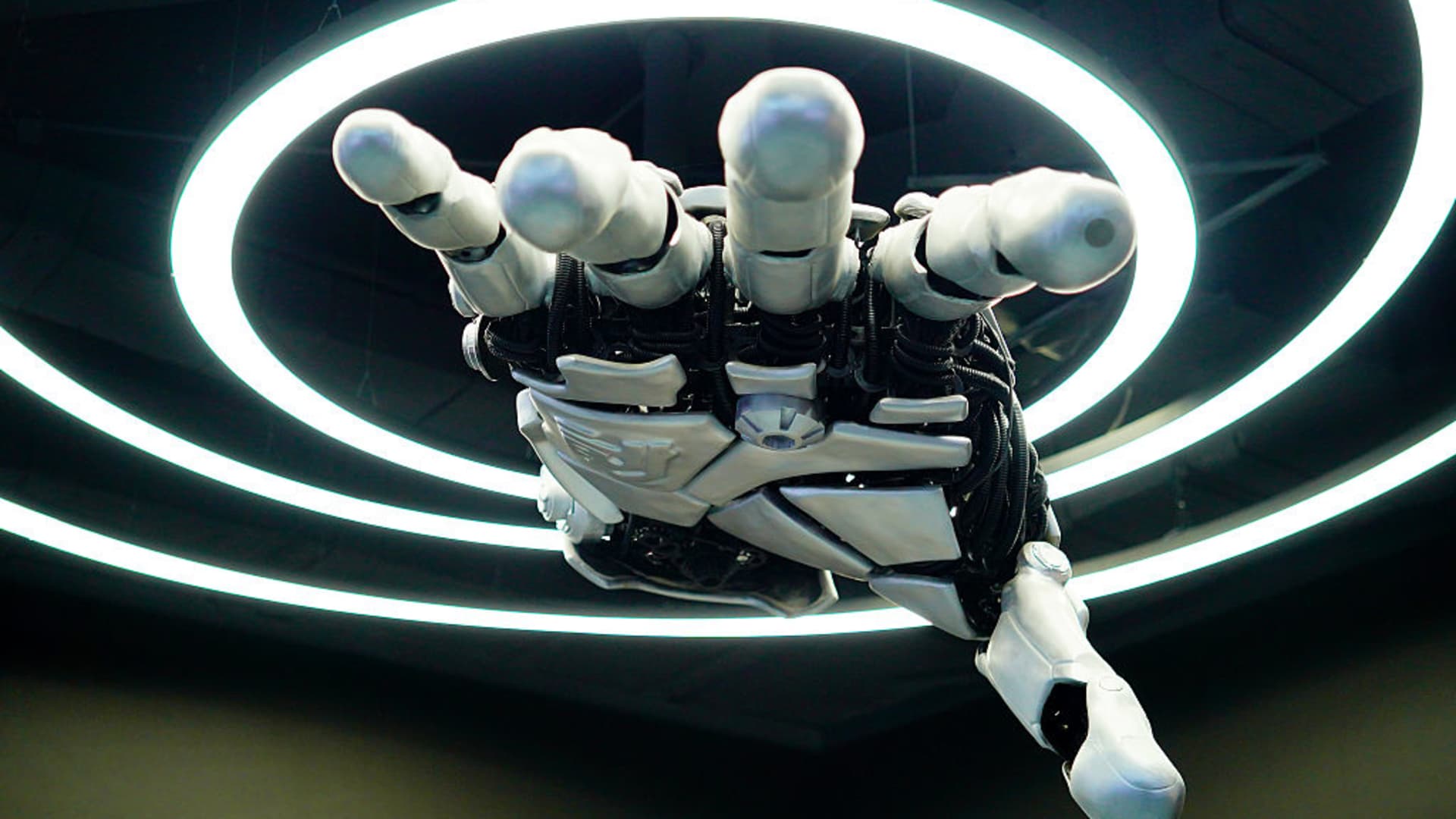
Nvidia’s latest humanoid robot reference platform uses mechanical hands from Chinese startup Wuji, following an earlier design equipped with hands from Singapore headquartered Sharpa, CNBC reports. Both suppliers have ties to Shanghai, putting Chinese hardware development at the center of two systems intended to support research on Nvidia’s robotics software.
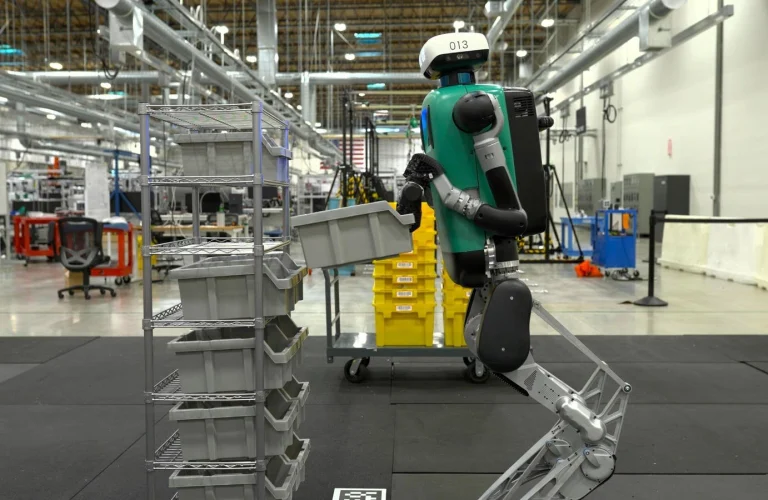
The latest system, Agile One SN, appeared in an October 21 presentation by Nvidia CEO Jensen Huang in Berlin. It pairs a robot body from Agile Robots with the Wuji Hand 2 and uses Nvidia’s Isaac robotics software and Jetson Thor computing platform. Agile Robots has offices in Germany, China and the U.S.
Nvidia’s first reference humanoid design, announced May 31, combined a Unitree body with Sharpa hands. The two Nvidia humanoid platforms illustrate how the company’s robot training packages depend on specialist suppliers for both the body and the manipulation hardware, rather than a single integrated robot manufacturer.
Hand suppliers bring different tradeoffs
Pan Yunzhe founded Wuji in 2019 and subsequently moved much of its team to Shenzhen. Its backers include Ant Group, HSG and Future Capital, according to PitchBook data cited by CNBC. A demonstration video released the week before the report claimed that the Wuji Hand 2 could autonomously spin a pen despite interference.
Sharpa was co-founded by David Li, chief executive of Shanghai based lidar company Hesai. Although headquartered in Singapore, Sharpa says its manufacturing research and development is in Shanghai. The distinction is useful: the two suppliers have substantial China connections, but they are not identically structured businesses.
Practitioners cited by CNBC described practical compromises between the hands. JoyIn’s Zhu Mingxuan said in September that Wuji’s hands were very light and good at completing tasks, but prone to heating up during use. She said Sharpa’s hands performed better but were far more expensive. Those observations frame hand selection as a balance of task performance, thermal behavior and cost, not simply a dexterity demonstration.
Zhu, who previously worked at Figure on models that help humanoids mimic human actions, identified hardware as a constraint on humanoid development and hands as the main challenge. Her assessment gives a concrete reason to watch the component suppliers alongside the companies building complete robots.
The Unitree and Sharpa reference system was scheduled for delivery from late 2026. According to Nvidia, research institutions such as Stanford and ETH Zurich could likely begin using Agile One SN in early 2027.
Source: cnbc.com