Schaeffler targets 2027 for humanoid gearbox production
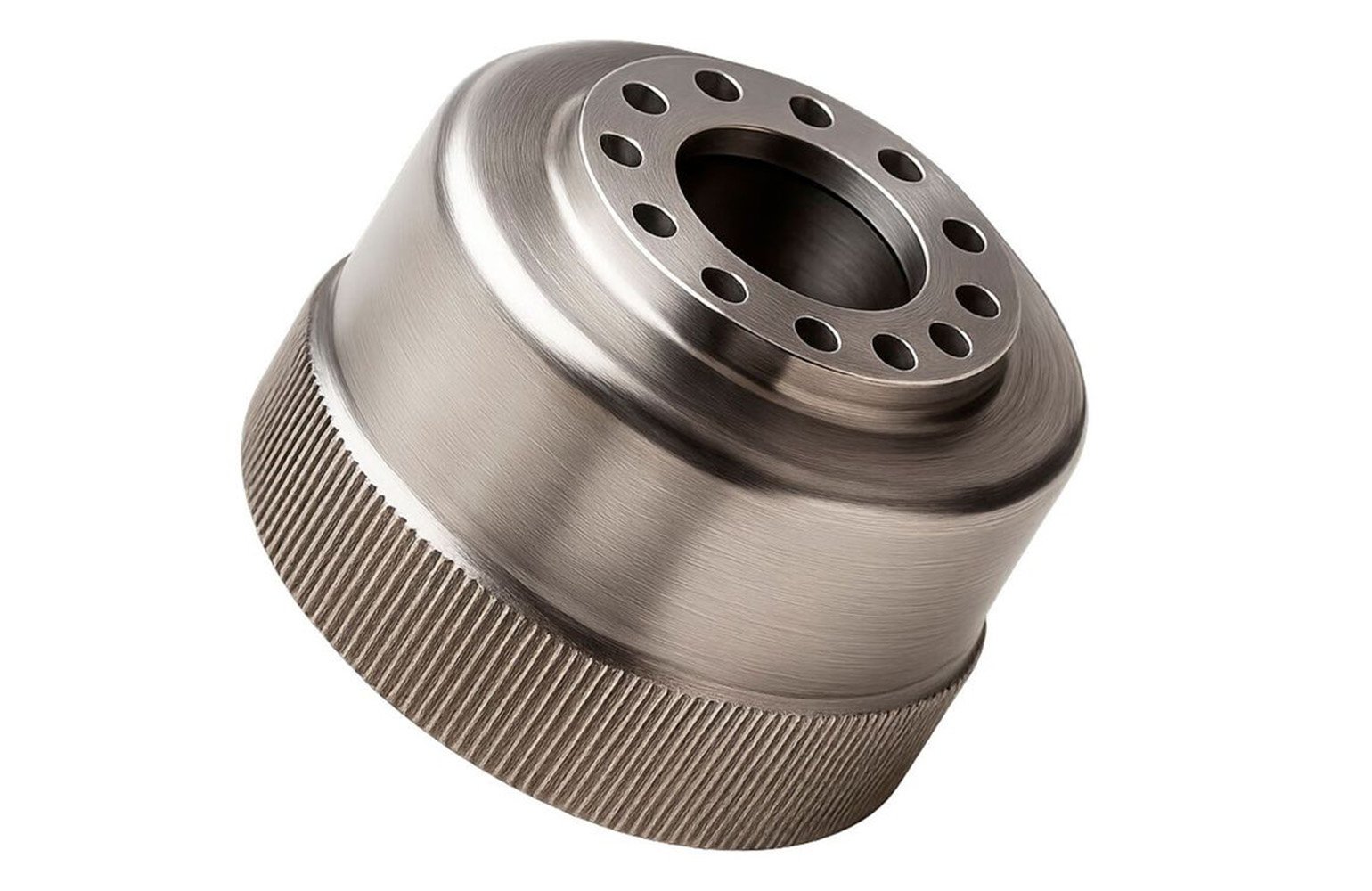
Schaeffler Technologies AG says it has completed extensive validation testing of formed strain wave gearboxes developed for humanoid robots, with manufacturing at scale scheduled to begin in 2027. Production will start in Germany before the process is introduced in other regions, according to The Robot Report.
Strain wave gearboxes are used inside joint actuators, where they provide high reduction ratios, torque capacity, accuracy and stiffness within a compact package. The report estimates that actuators account for around half of the total cost of manufacturing a humanoid robot, making reducers a consequential target for cost and production improvements.
Forming replaces material removal
Conventional strain wave gearbox production relies on precision machining, which removes material to create the required gear geometry. Schaeffler describes that approach as time consuming and capital intensive, and argues that it could constrain humanoid production volumes.
Its alternative uses high pressing forces to form components into the required geometry. Schaeffler says certain manufacturing steps can be completed in seconds rather than minutes. The company claims the process reduces manufacturing costs by more than 25% and material consumption by more than 75% while delivering torque and efficiency comparable with conventionally manufactured components.
Those are company supplied performance claims. The report does not provide gear ratios, backlash figures, dimensions, durability results or independent comparative testing. Such data will be needed to assess where the Schaeffler humanoid gearboxes fit across joints with different torque, packaging and service life requirements.
Existing volume manufacturing experience
Schaeffler is applying manufacturing experience developed through its automotive business. The company says it has supplied more than 2 million formed strain wave gearboxes across major global markets over the past 10 years.
David Kehr, Schaeffler’s president of humanoid robotics, said the company also deploys humanoids across its global value chain, giving its component teams direct exposure to operational requirements. Schaeffler is positioning that internal use, alongside its established manufacturing base, as the foundation for producing humanoid joint components at industrial volumes.
The 2027 production target provides a concrete timetable, but the disclosed material does not identify initial customers, planned capacity or the humanoid platforms that will use the gearboxes. Schaeffler plans to establish production in Germany first and expand it to additional regions later.
Source: therobotreport.com