The Nordic Night
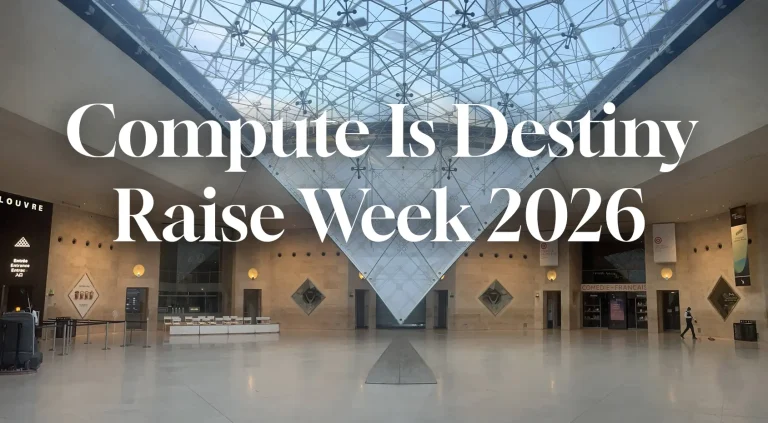
At the Nordic night of Raise Week 2026, NVIDIA meets Strawberry: the man who sold AI before anyone wanted to buy it – and the founder young enough to have grown up inside the world that bet created.
NVIDIA meets Strawberry sounds like a snack break. In Paris it was a panel – hosted by Nebius at the Nordic party of Raise Week 2026, and one of the conversations from the week we kept coming back to. Part one of our Raise Week field notes.
The Nordic Night · NVIDIA Meets Strawberry
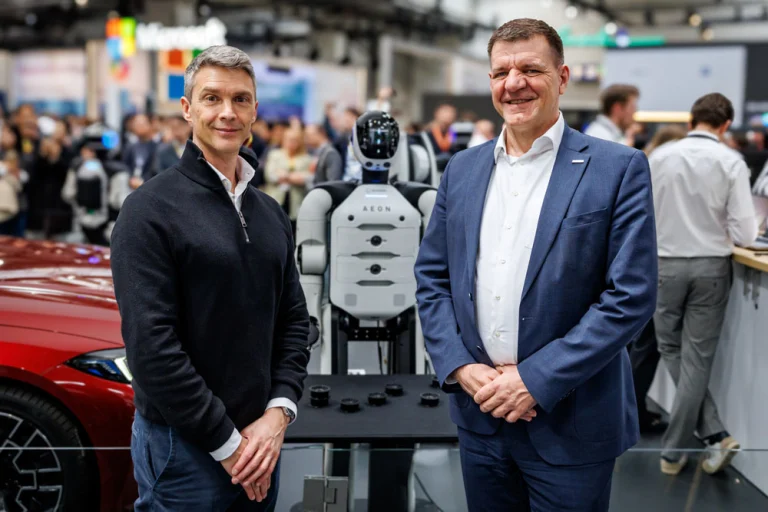
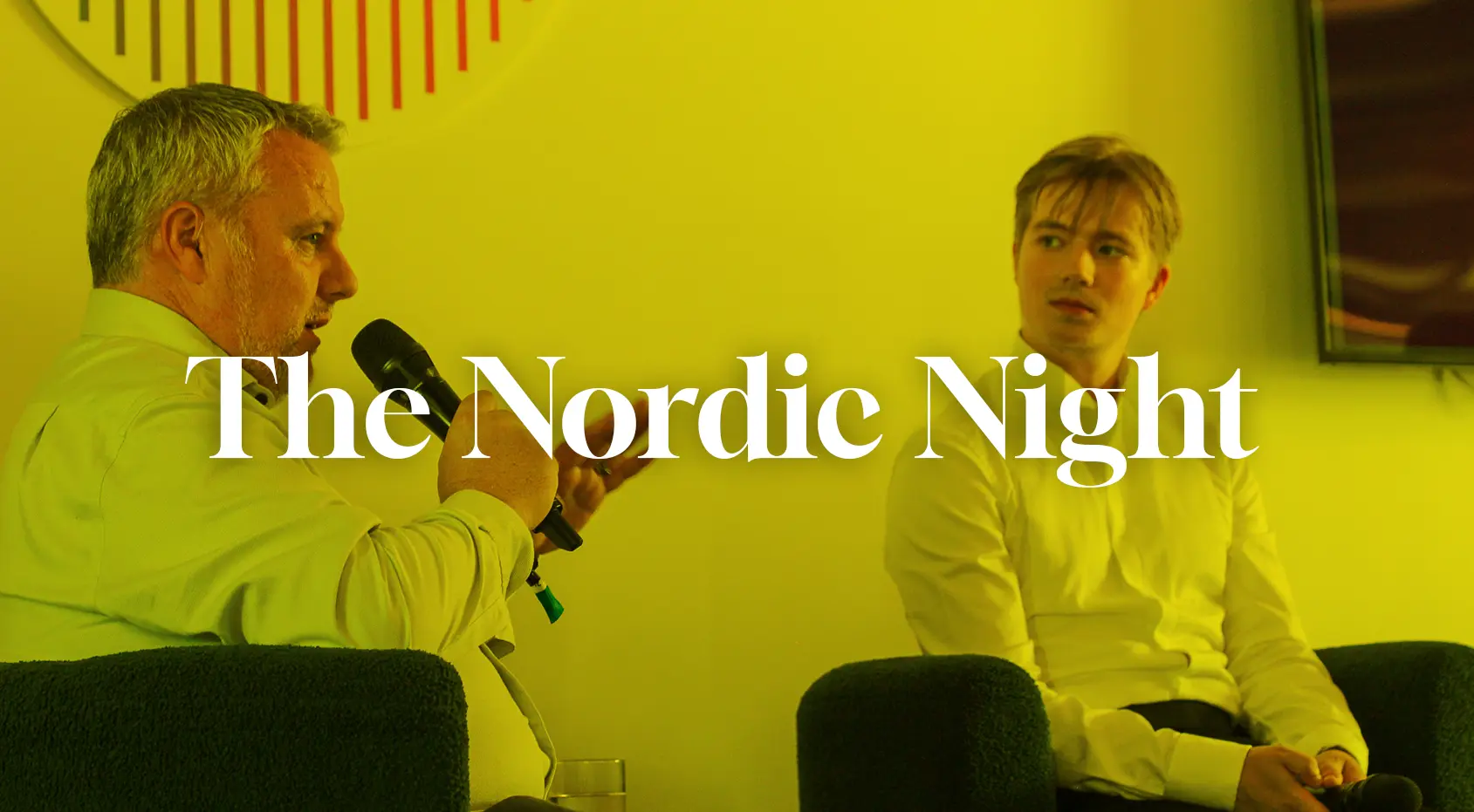
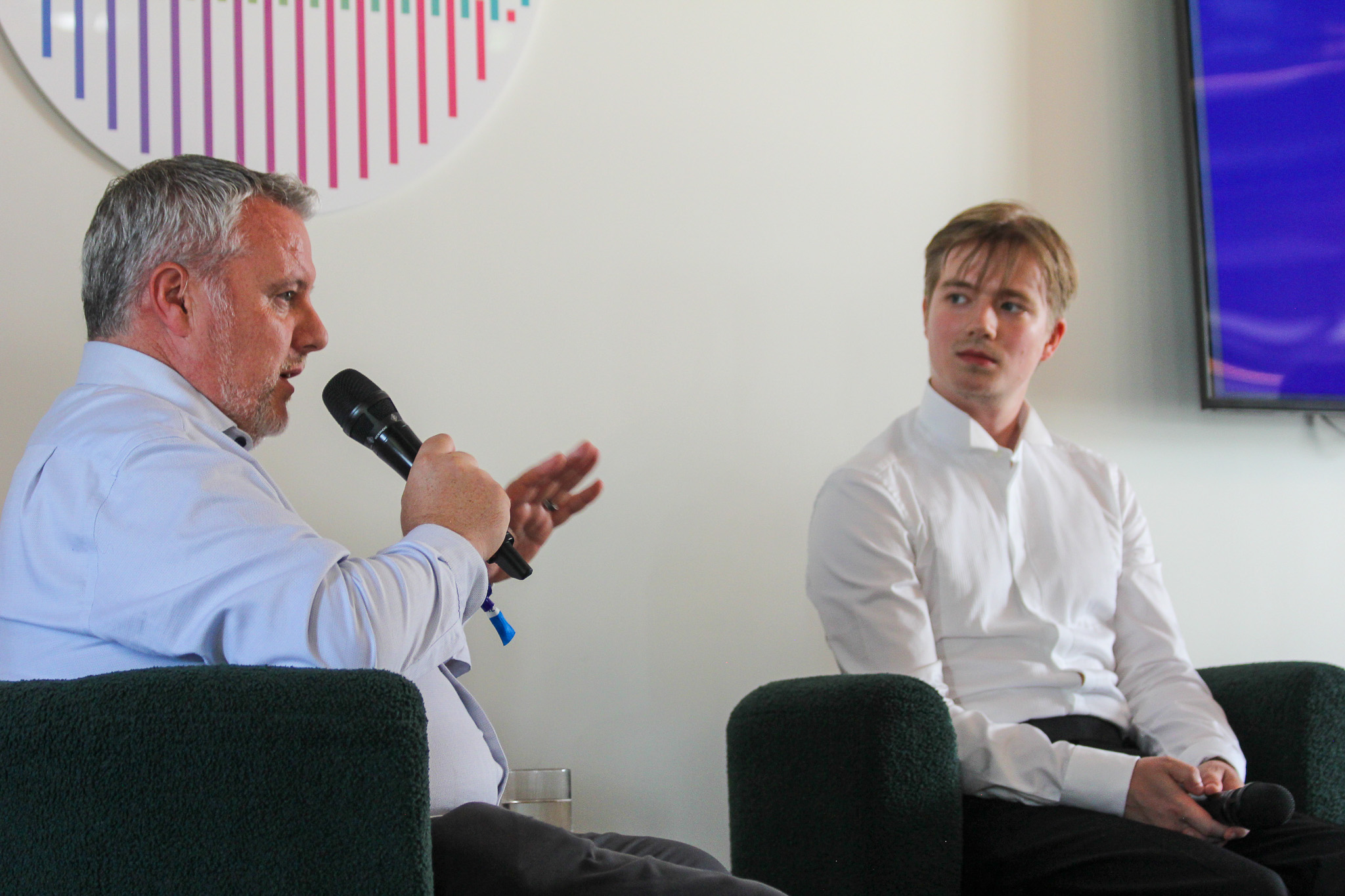
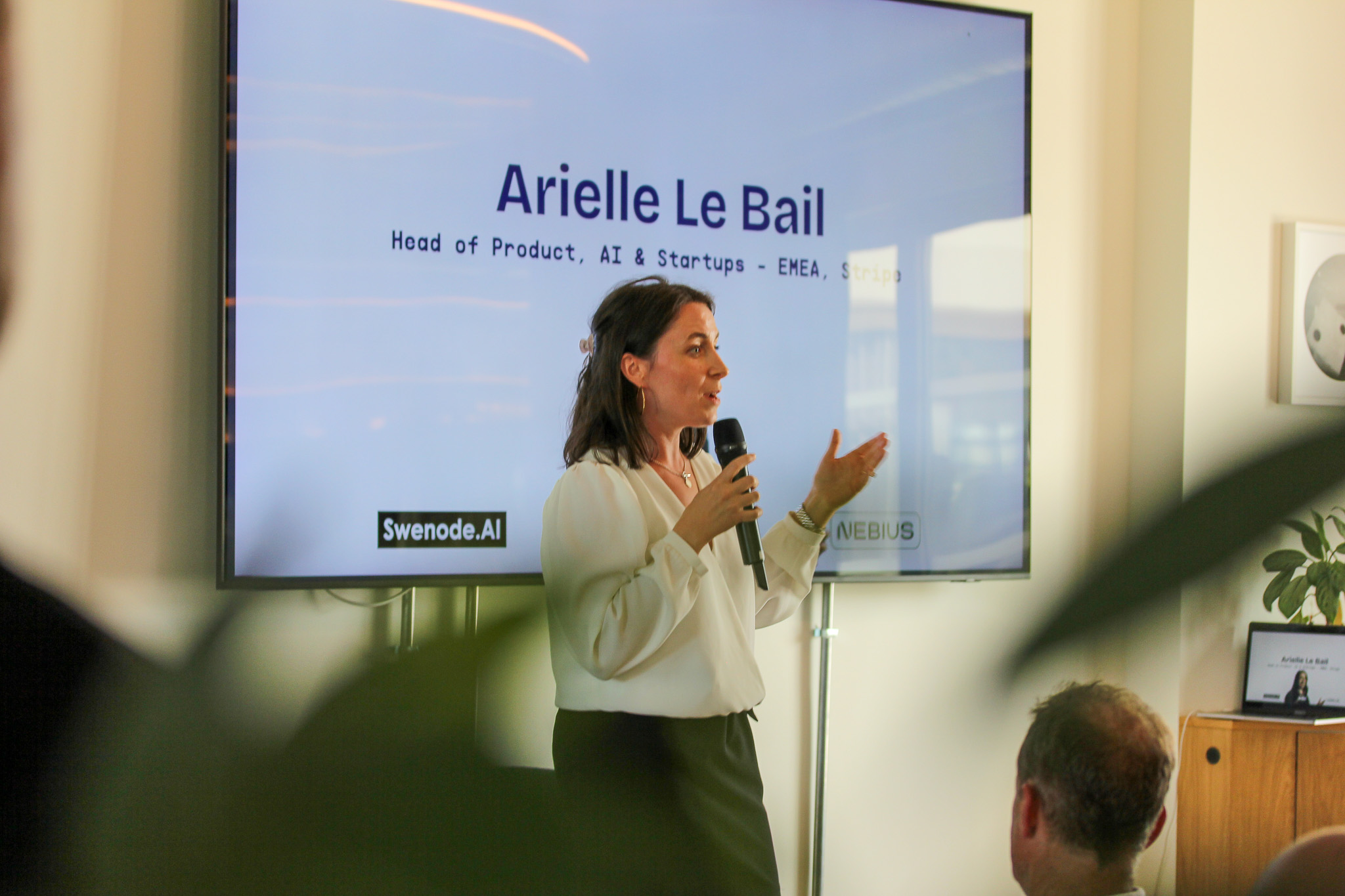
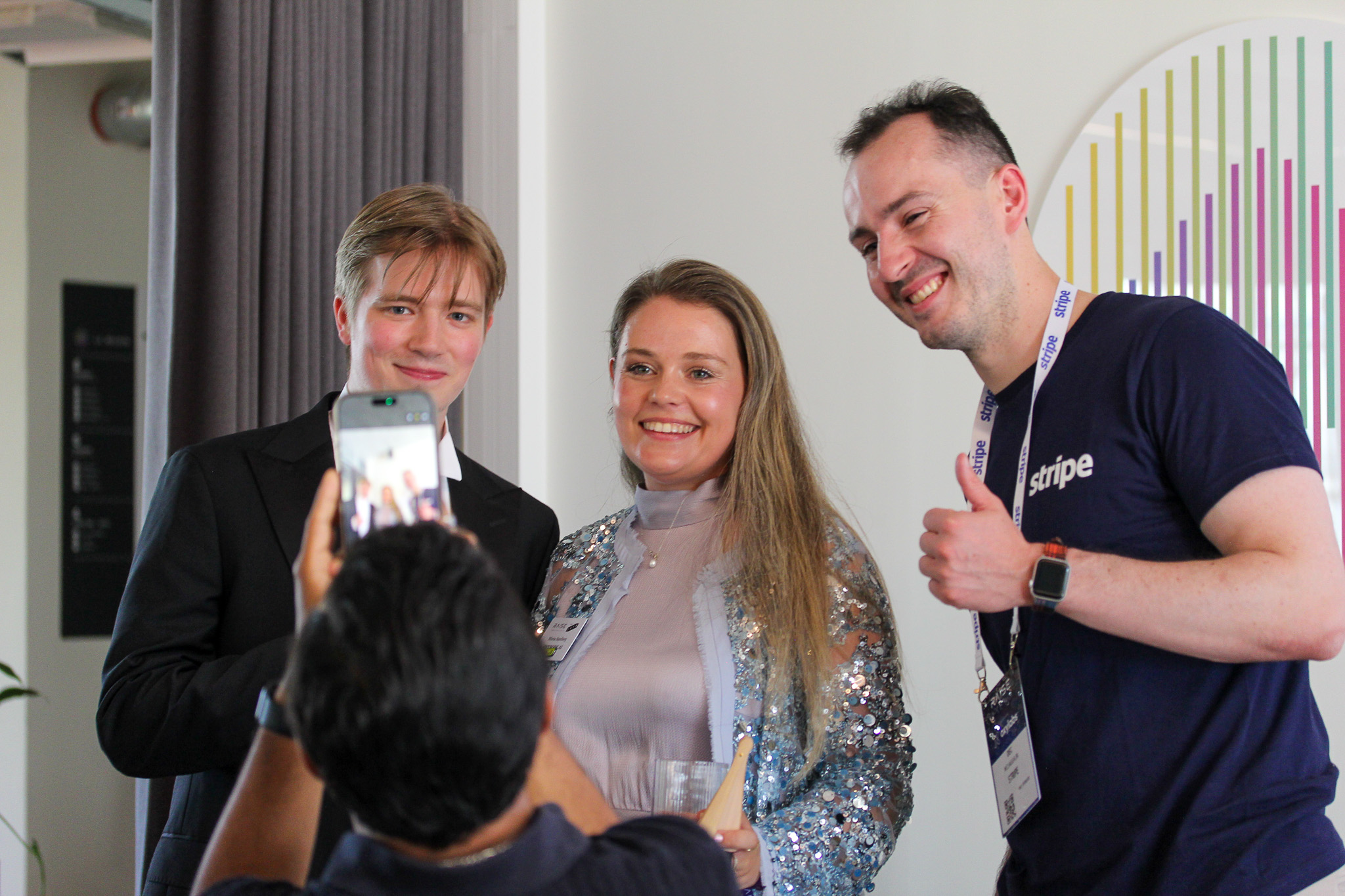
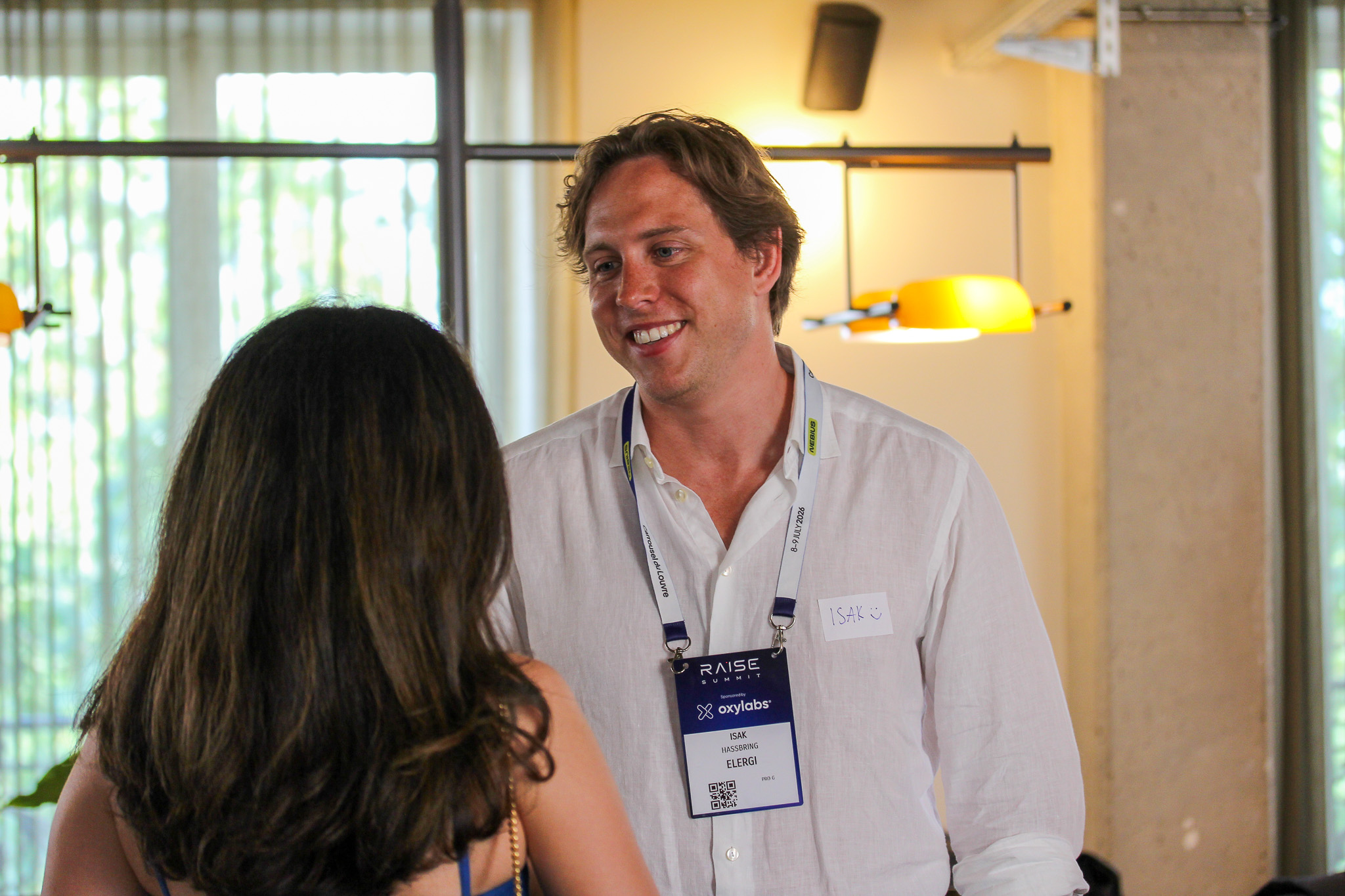
One of the conversations that stayed with us longest happened away from the main programme, at the Nordic party hosted by Nebius, where David Hogan, VP Enterprise at NVIDIA, and Charles Maddock, founder and CEO of Strawberry, sat down alongside Peter Sarlin – the Silo AI founder now building PostScriptum and NestAI – with Oliver Molander (Inception Fund) and Minna Sandberg (Swenode.AI) moderating. Two speakers, two ends of the same story: the man who sold AI for NVIDIA before anyone wanted to buy it, and the founder young enough to have grown up inside the world that bet created.
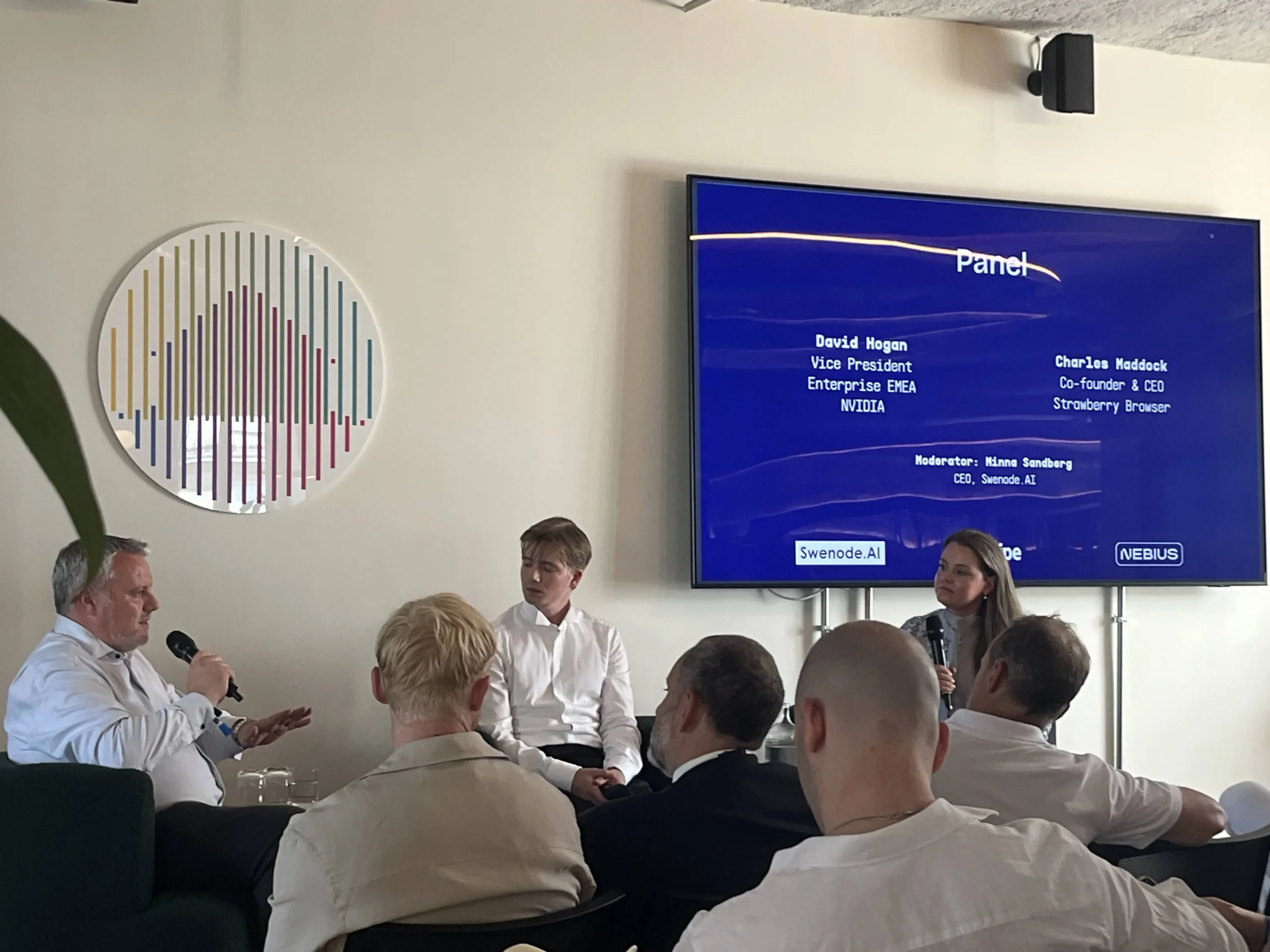
NVIDIA meets Strawberry · on stage at the Nordic night hosted by Nebius, Raise Week 2026
Hogan joined NVIDIA back in 2016, after two decades at BT, Virgin Media and NetApp, when Jensen Huang had decided to build AI before there was a market for it. His job description was a question: how do I sell AI? Jensen's answer: "I have no idea – that's your job." No one wanted to take his calls. What worked was finding the organisations that saw the value and wanted to do the journey with them – partner and grow together. Ten years later he runs enterprise sales across EMEA and helps European governments stand up their AI programmes, and he insists NVIDIA still acts like a startup: first the use case, then the right platform, then the right model. Never the other way around.
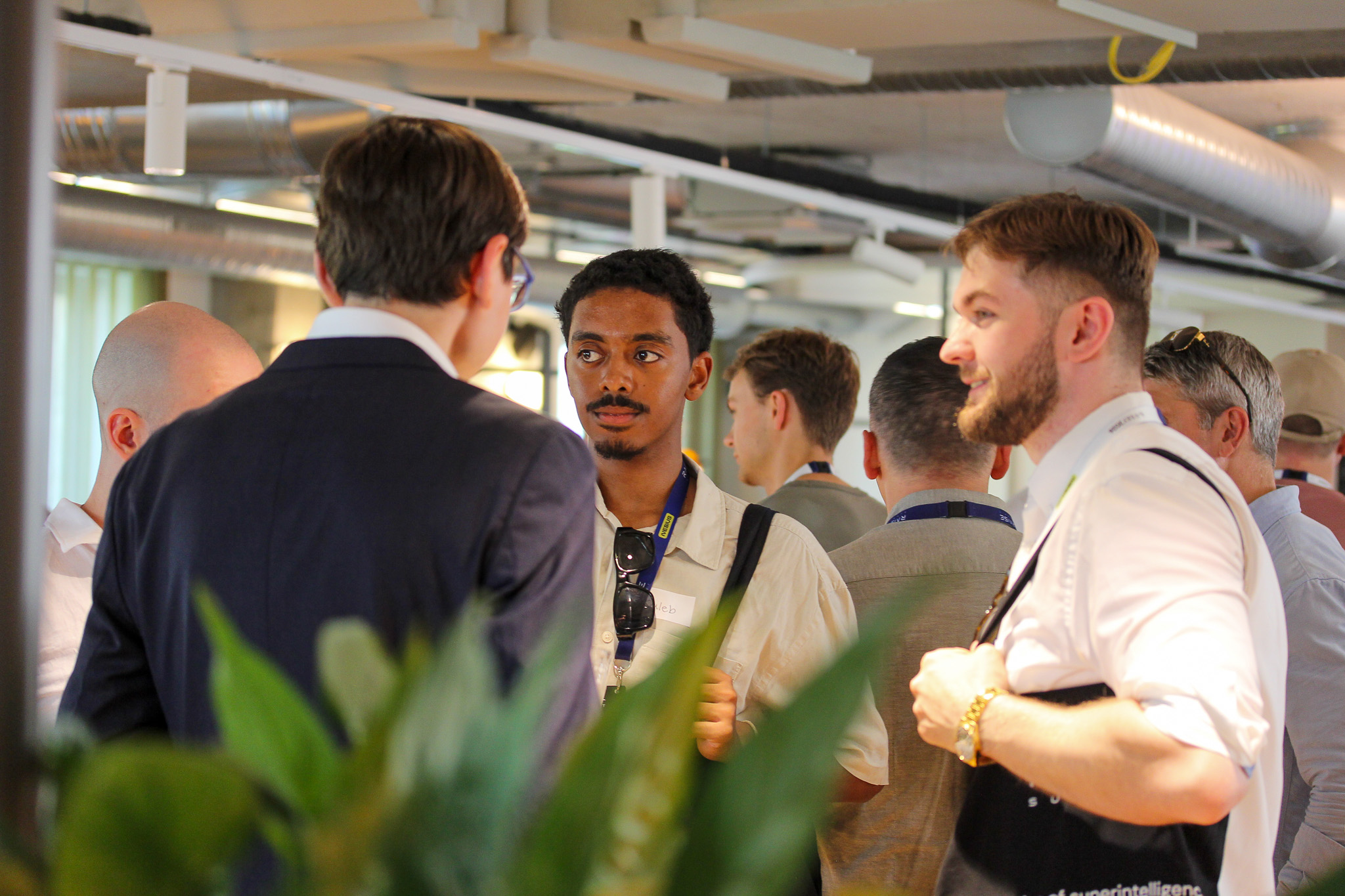
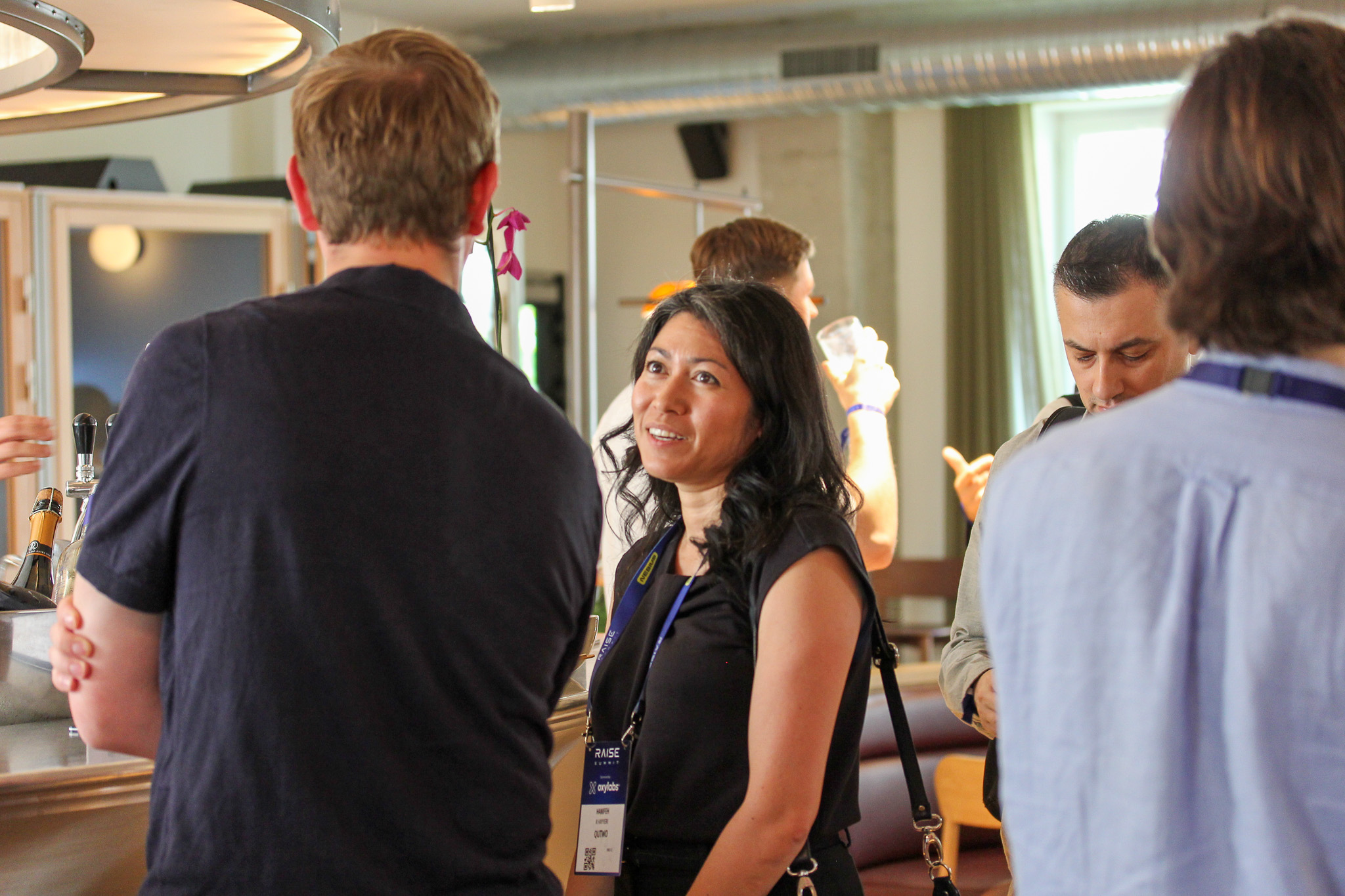
Maddock is the other end of the arc. He started programming at eleven, earned the nickname "the LLM-whisperer" among his co-founders, and built Stockholm-based Strawberry – an agentic browser with AI companions that automate real work – together with Arian Hanifi and Sebastian Thunman. His diagnosis on stage: Europe still has no general autonomous platform – no Claude Code, no Gemini. Strawberry wants to fill those shoes and become the first choice for a general AI platform inside European companies. Why does he do it? "Why does Usain Bolt want to be the fastest man?" Young people in their prime, he argued, should be building the next Apple or Microsoft now – and the Minecraft generation of Stockholm, backed by funds like Inception, is starting to believe it can. (The week also gave the phrase "elevator pitch" a literal workout: we caught Maddock in the lift and pitched him Kinetic Blocks before the doors opened.)
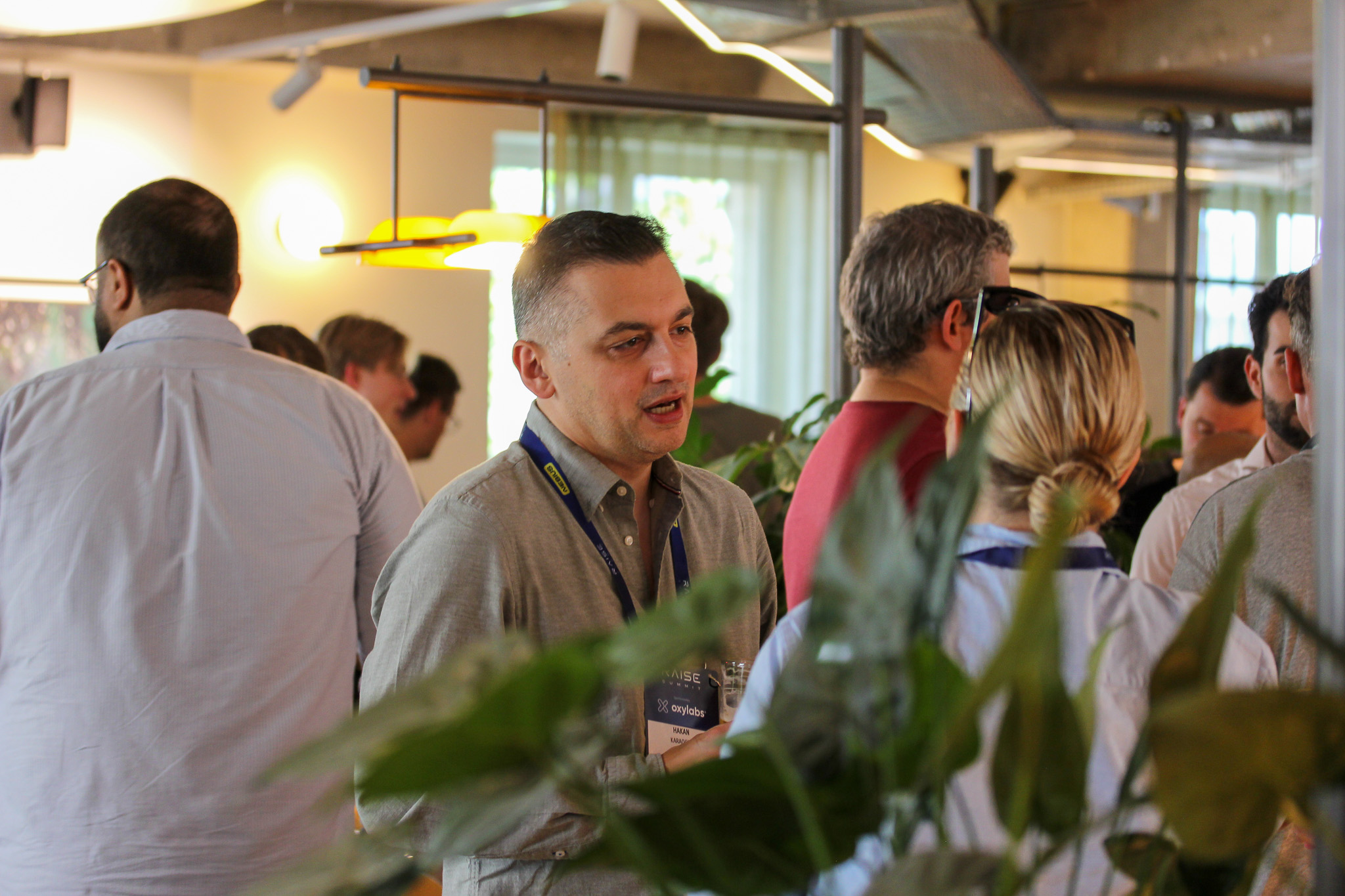
On the frontier question, the two converged on the same place – our place. Hogan: it is close to impossible to beat the frontier labs at general LLMs now, so the next domain is physical AI – world models that have to understand physics, and Europe's industrial companies will have to pivot to physical AI to survive. Maddock agreed on the premise but not the surrender: DeepSeek showed what a room of focused quants can do without American GPU stockpiles. Bring the kids together, focus on post-training, and Europe gets small, intelligent models – "VCs don't call founders naive; they have a reality distortion field."
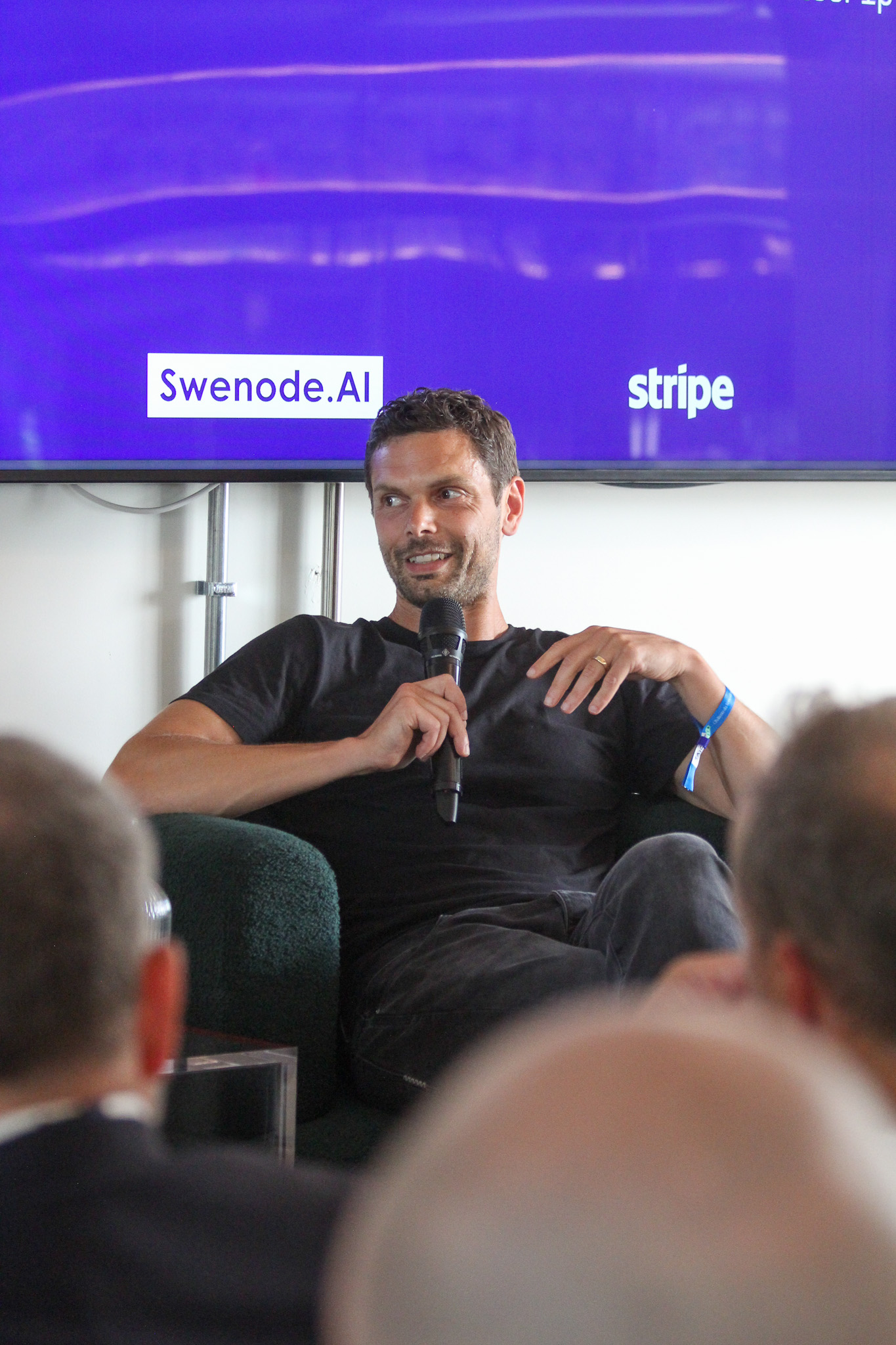
"Optimise for the biggest possible thing and never, ever give up – even if it means getting up and only working two hours that day. Lock in."
Hogan's version of the same advice, from the seller's side: be clear about the problem you solve – "startups want to cure hunger" and confuse the customer. Find one friendly customer, develop them into a partner, and let them teach you the market.
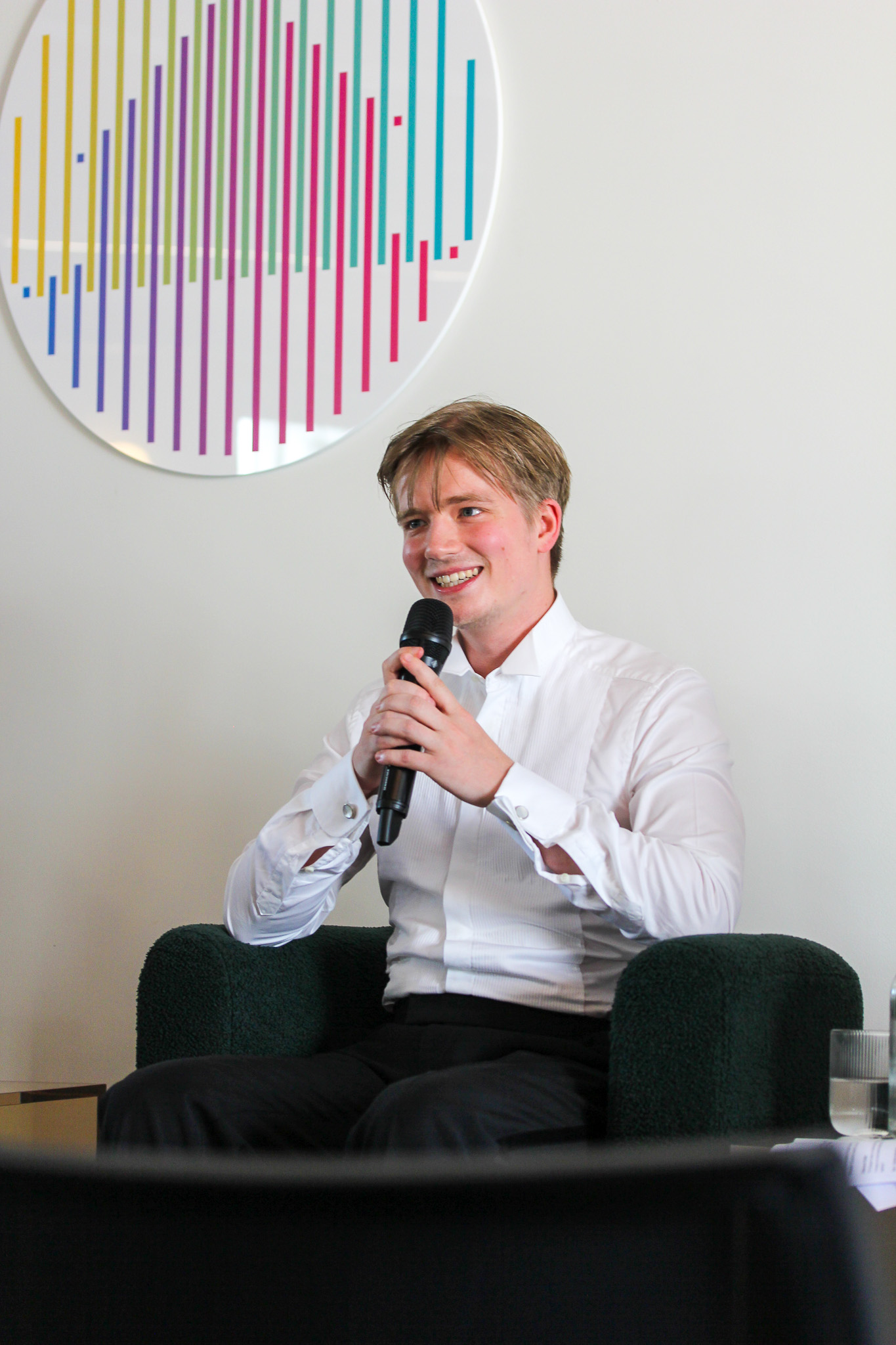
Strawberry raised $6 million in a round led by General Catalyst and EQT Ventures – with backing from the founders of Lovable, Hugging Face and Supabase. The first 10,000 beta sign-ups got in free.
New! 2026 Humanoid
Robot Market Report
198 pages of exclusive insight from global robotics experts — uncover funding trends, technology challenges, leading manufacturers, supply chain shifts, and surveys and forecasts on future humanoid applications.

now Google DeepMind
Europe's bet is generational – the seller of the first AI wave met the kids building the next.
This is part one of our Raise Week 2026 field notes. Continue with The AI Agent Shift and Physical AI Compute – or read our Machina 2026 report from the same week.
New! 2026 Humanoid
Robot Market Report
198 pages of exclusive insight from global robotics experts — uncover funding trends, technology challenges, leading manufacturers, supply chain shifts, and surveys and forecasts on future humanoid applications.
now Google DeepMind