BMW deploys Figure 03 humanoid for parts sequencing in US
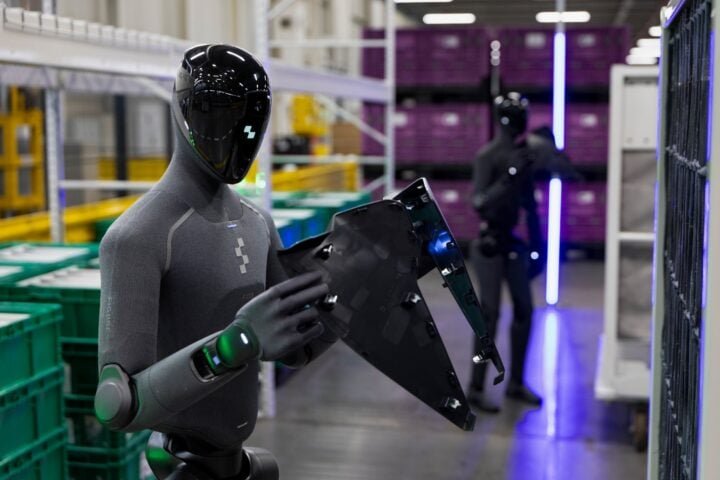
BMW Group Plant Spartanburg in the United States is preparing to deploy Figure 03, the upgraded humanoid robot from Figure, for a logistics parts sequencing task, according to Technology.org’s report citing BMW.
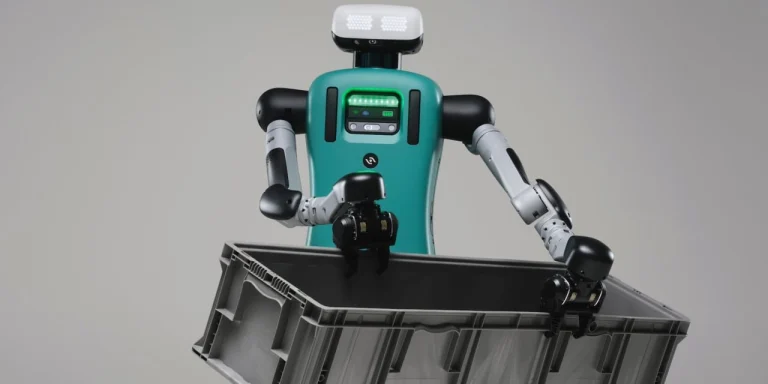
The use case is narrow but practical. Figure 03 will sort components from larger containers into a sequencing trolley, work that requires part recognition, grasping and enough dexterity to handle varied components without a fixed industrial fixture doing most of the job.
BMW previously tested Figure 02 for 11 months in the plant’s body shop. The earlier robot supported production of more than 30,000 BMW X3 vehicles during that period, according to the source. BMW describes the work under its “Physical AI” framing, meaning AI software applied to physical production systems.
Figure 03 gets a logistics assignment
The reported upgrades in Figure 03 include soft surfaces for improved safety, wireless charging, speech to speech communication and improved hands. The source does not give payload, runtime, autonomy level or fleet size, so the deployment should be read as an operational use case rather than a full specification reveal.
Ulrich Wieland, Vice President of Production Control and Logistics at BMW Manufacturing, said Plant Spartanburg is the “birthplace of humanoid robotics” in BMW Manufacturing’s operational activities, following the Figure 02 pilot in the body shop. He said BMW is now looking to deploy Figure 03 for the sequencing use case in logistics.
The task choice is telling. Parts sequencing is repetitive, ergonomically demanding and variable enough to expose weaknesses in perception and manipulation. It is also less glamorous than many humanoid demos, which makes it a useful test of whether a general purpose body can earn time on a real automotive workflow.
The source also cautions that humanoid robots are not ready to replace human workers in industry. BMW’s current framing is more limited: humanoids are being tested for monotonous, ergonomically difficult or safety critical work where flexibility is useful and conventional automation can be awkward to justify.
Source: technology.org