1X details NEO humanoid robot factory as output targets rise
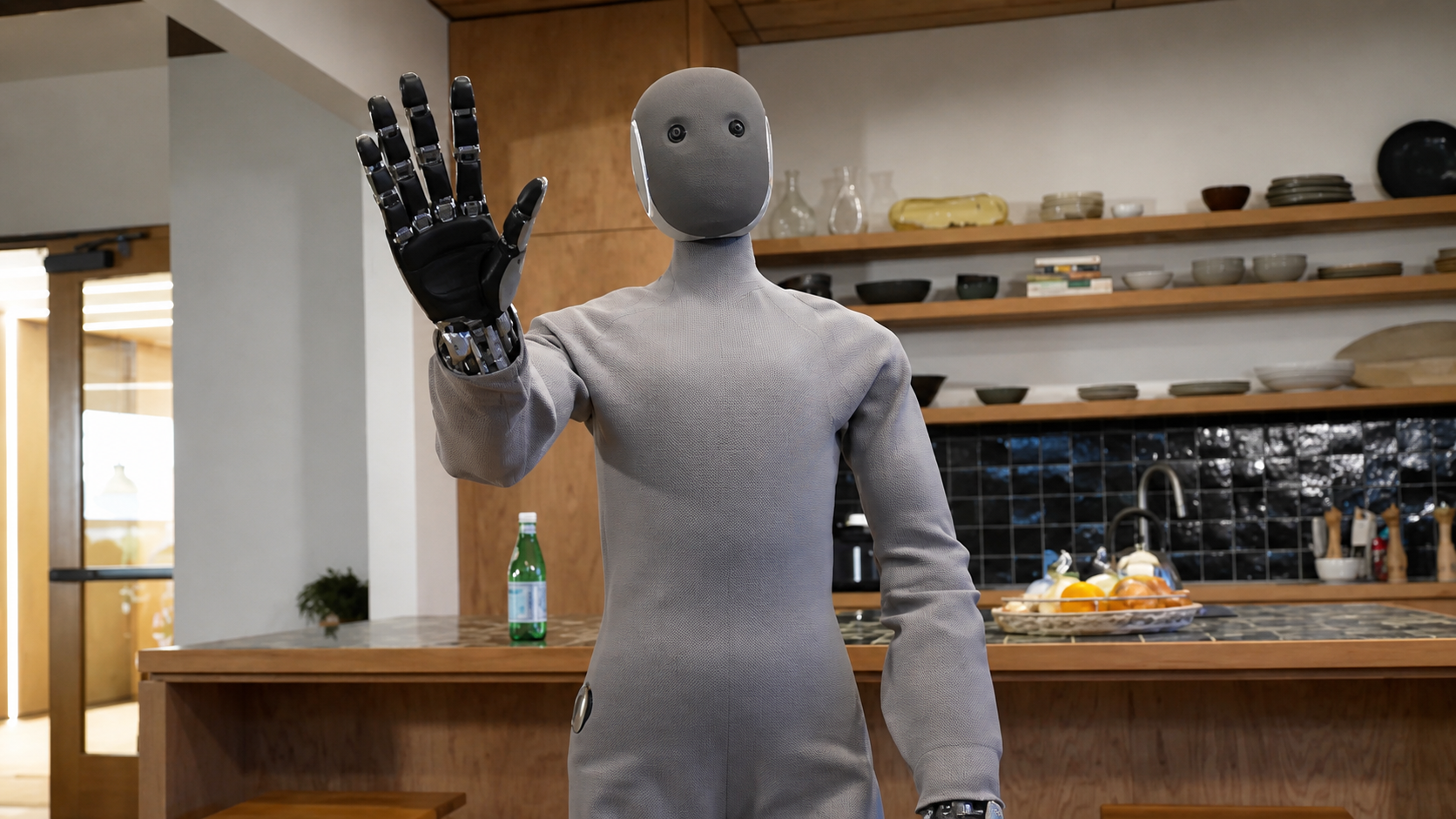
In a new factory tour, 1X showed its NEO humanoid robot factory in Hayward, California, where the company assembles its humanoid system and produces several core subsystems on site. The view matters because few humanoid developers disclose this level of manufacturing detail, and the footage suggests 1X is trying to move beyond prototype assembly toward repeatable production workflows.
How 1X is organizing production in Hayward
According to TechEBlog, the Hayward facility spans 58,000 square feet and is staffed by more than 200 people. The report says the operation is already producing thousands of key parts each month, giving a sense of the throughput 1X is targeting before full robot assembly is complete.
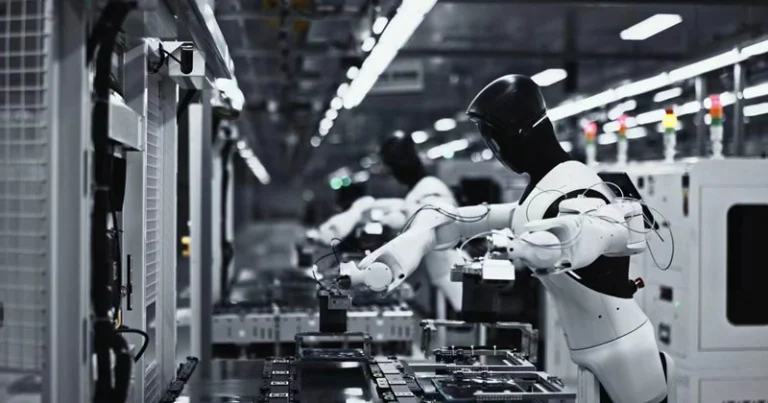
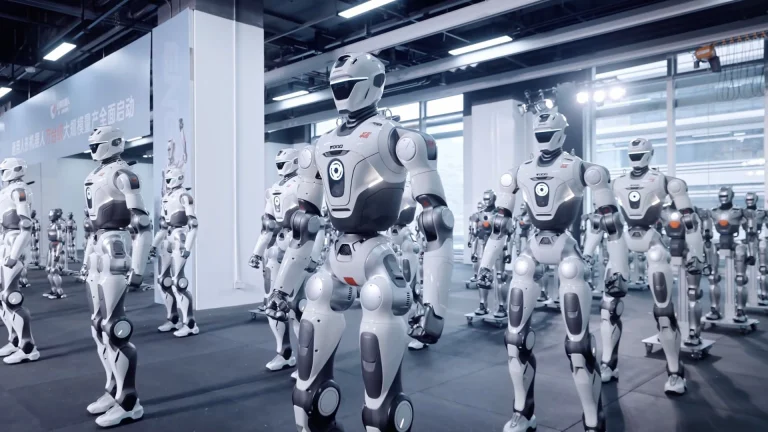
The tour presents the line as a station based process, with each area responsible for a specific module or assembly step. Once joints and limbs are assembled, the robot moves through checks intended to catch faults early, and the tooling is designed so parts fit only in the correct orientation. At the end of the line, NEO stands upright for the first time before workers add the outer covers and soft suit, followed by a final inspection.
Inside the NEO humanoid robot factory
One of the clearest details in the tour is 1X’s motor production. Copper spools feed automated equipment that winds coils for the Revo 2 motors, which the report says power every movement in NEO. Those motors then pass through additional steps that shape the electrified steel into stators and add custom electronics intended to increase torque.
Elsewhere in the plant, 1X is manufacturing braided and treated tendons that later support movement, with the source describing them as designed for quiet strength and durability. Hand assembly happens at a dedicated station where multiple components are fitted together degree by degree. The fingers and palms combine soft polymer layers with small motors and electronic parts, underscoring how much of the robot’s manipulation hardware is handled as a specialized subsystem rather than a simple end effector.
The battery line is another area where the company appears to be emphasizing process control. TechEBlog reports that battery packs go through an automated welding step every half second, use aerospace grade materials, and are monitored 100 times per second to track pack health. The robot’s Cortex computer is then equipped with an NVIDIA Jetson Thor board, stereo cameras, microphones and sensors, with pre-kitted modules designed to slide directly into each station.
What early factory use says about 1X’s plans
Some of the first NEO units are already being used inside the plant, according to the report. The robots are shown transporting bins of gears and pulleys, sorting parts and moving materials between areas, a narrow but practical set of tasks for an environment where routes, objects and workflows are tightly controlled. The report also says 1X expects robots to take on more general facility duties so human workers can concentrate on more complex work.
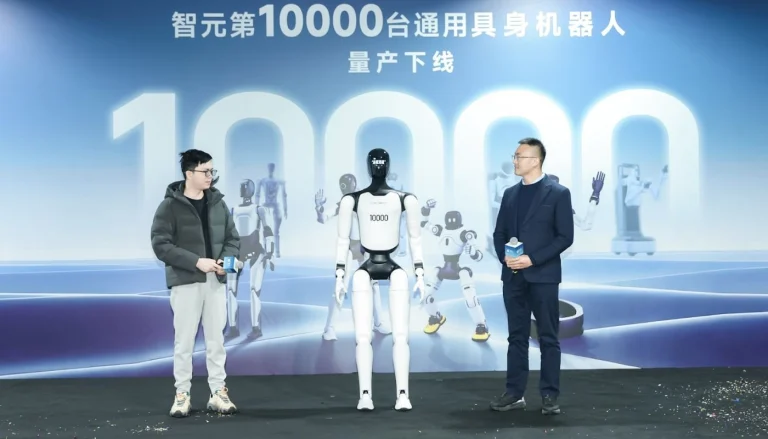
That internal deployment is relevant because it gives 1X a way to test reliability and operational flow before broader rollouts. The same report says production is in full swing, with plans for 10,000 robots per year, a second facility in the pipeline, and a target of more than 100,000 robots per year by the end of 2027. Those figures are ambitious by the standards of current humanoid manufacturing, where many companies still appear to be operating at pilot scale.
For the wider market, the NEO humanoid robot factory is notable less for the tour itself than for the manufacturing choices it reveals, including in house work on motors, tendons, hands, batteries and compute modules. The next question is whether those line level processes can support the output goals cited by TechEBlog while maintaining reliability as 1X moves from internal factory logistics toward the household role described in the report.
Source: techeblog.com