Linkerbot targets $6 billion valuation as humanoid robot hands scale
Beijing startup Linkerbot said it will seek a $6 billion valuation in its next financing round after closing a series B+ round at $3 billion, underscoring the growing investor focus on humanoid robot hands in China. Reuters reported the financing target on May 4, citing CEO Alex Zhou and a company statement, although the company did not say when the next round will start or whether it would be a private raise or an initial public offering.
Why humanoid robot hands are drawing capital
Linkerbot, founded two years ago and based in Beijing, said prominent early backers include Ant Group and HongShan Group. In the latest round, the state-backed Zhongguancun Science Park Fund, Bank of China Asset Management and Fosun Capital also participated, according to Reuters.
The company says it currently holds more than 80% of the global market for humanoid robot hands with high degrees of freedom. Zhou told Reuters that production is expected to scale to 10,000 units a month from almost 5,000 currently, a target that points to rising demand from both humanoid developers and adjacent industrial users.
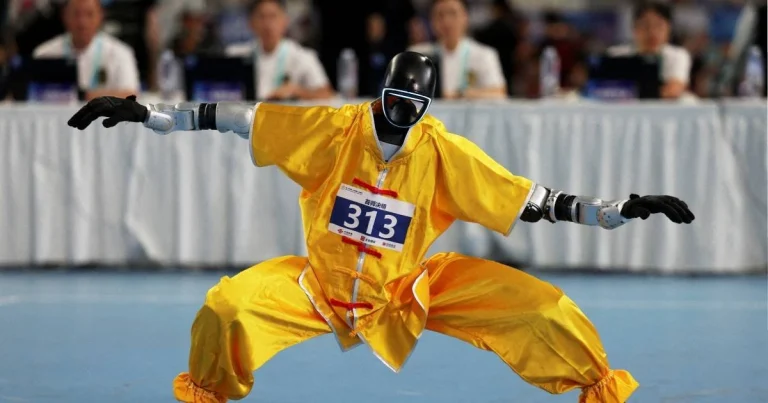
The financing ambition comes as investor interest in Chinese humanoid robotics has accelerated. Reuters said attention increased after public demonstrations by companies such as Unitree, including a televised performance and the Beijing humanoid robot half-marathon, while Unitree itself filed for a Shanghai IPO in March seeking a valuation of up to $7 billion.
Dexterity remains the technical frontier
Linkerbot’s pitch is that manual dexterity, rather than locomotion alone, will determine how broadly humanoids can be deployed in factories and eventually in homes. Georg Stieler, head of robotics and automation at consultancy Stieler, told Reuters that the hand is the most complex part of the whole humanoid robot and noted Elon Musk has said it accounts for more than half of Tesla Optimus engineering effort.
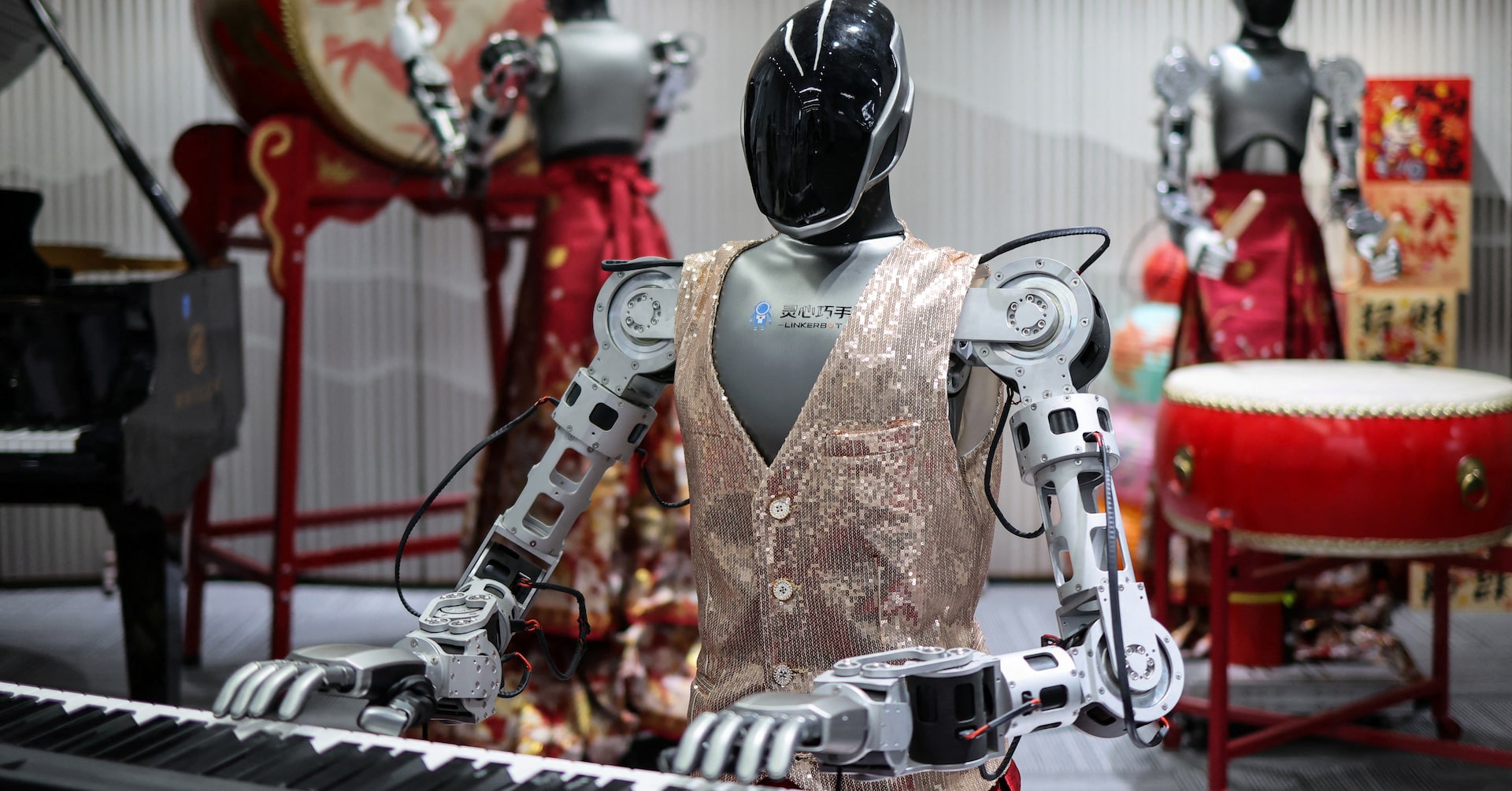
Zhou said Linkerbot is focused on replicating human dexterous skills through a data platform called LinkerSkillNet. The company describes it as a multimodal data collection system that turns human skills into standardized, reusable capabilities for robotic hands, with more than 500 skills recorded so far.
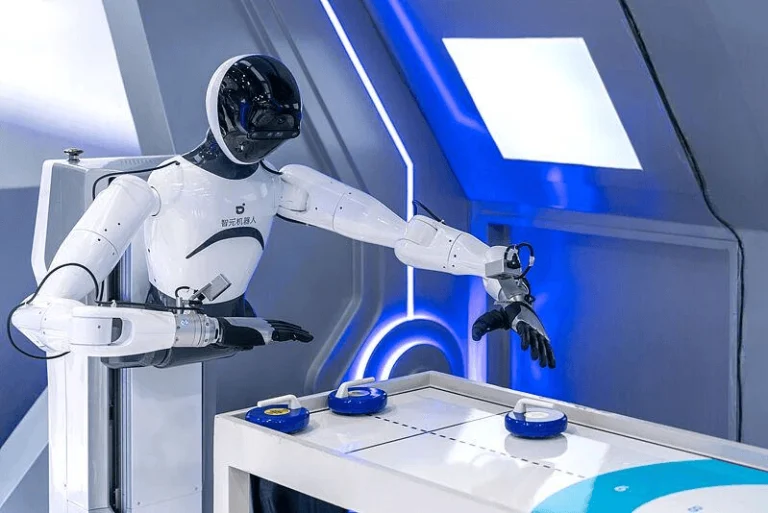
According to the company, its hands can turn screws rapidly, grasp soft deformable objects, thread a needle and perform high-precision manufacturing tasks. Linkerbot also said its basic O6 lightweight model can carry a 50 kg load while weighing 370 g, and that it manufactures joint modules, motors and reducers in-house using self-lubricating, corrosion-resistant polymers.
Humanoid robot hands, even without full humanoids
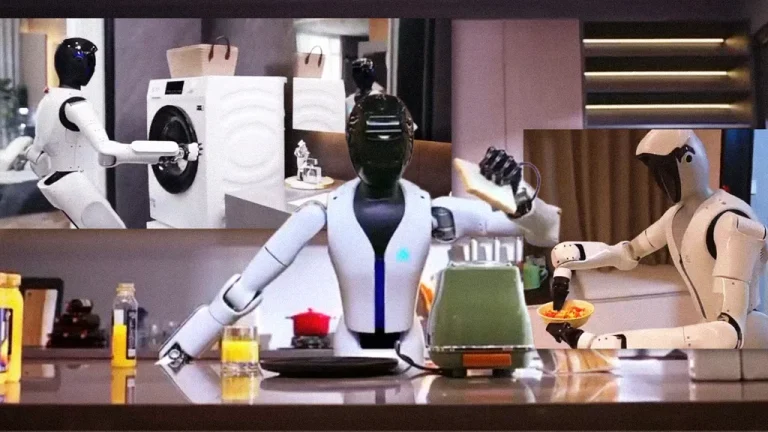
Although Linkerbot supplies some of China’s leading humanoid robot makers, Zhou said many customers are not buying complete humanoids. Instead, they mount dexterous hands onto existing robotic arms, a lower-cost way to automate tasks that still require fine manipulation.
That distinction matters in a market where leading industrial humanoids from Unitree, AgiBot and UBTech cost about $100,000 to $150,000 per unit, according to analysts cited by Reuters. Zhou argued that many factory owners are focused less on humanoid form and more on whether two arms and dexterous hands can deliver practical productivity gains.
Linkerbot said it also sells to research institutes and leading global universities, has more than 400 employees and operates five factories in Beijing and Shenzhen. The company is developing intelligent production lines in which robotic hands manufacture other hands, an approach that could help lower unit costs if volumes continue to rise.
The next test is whether rising component demand converts into durable financing and broader deployment across commercial humanoid platforms. Linkerbot’s valuation target suggests investors increasingly see humanoid robot hands as a central bottleneck in humanoid development, but the timing and structure of its next raise remain undisclosed.
Source: reuters.com