Hanwha Ocean trials AeiROBOT Alice humanoid robot in shipyard
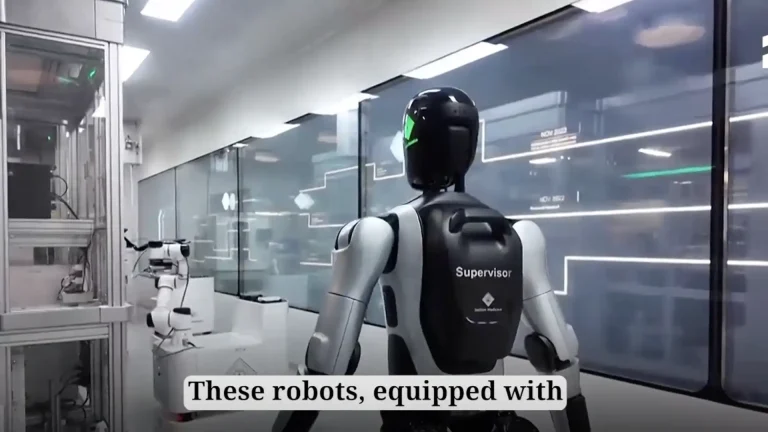
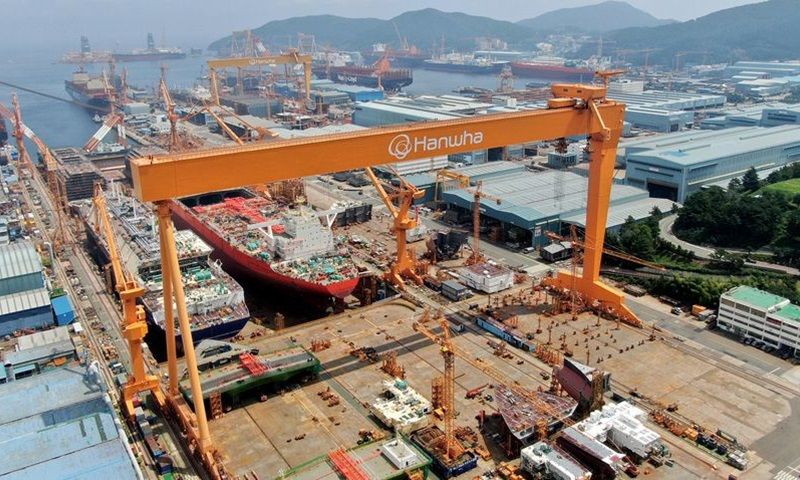
Hanwha Ocean is preparing to trial the AeiROBOT Alice humanoid robot at its Geoje shipyard, in a pilot aimed at addressing labor shortages and improving safety in demanding shipbuilding work. The project is notable because it puts a humanoid system into one of the more difficult industrial settings for mobility and manual task execution, with evaluation focused on transport, navigation and tool handling.
AeiROBOT Alice humanoid robot enters shipyard pilot
According to splash247.com, the pilot brings together Hanwha Ocean, robotics specialist AeiROBOT and 3D AI company NdotLight. The partners plan a physical AI based humanoid robot demonstration and are targeting validation of the technology within a year.
Hanwha Ocean will use the trial to assess how humanoid robots could fit into shipbuilding operations, especially in hazardous inspection areas, repetitive transport duties and other labor intensive activities. Those use cases matter because shipyards combine large work envelopes, changing layouts and physically demanding tasks that can be difficult to automate with fixed systems.
Digital twin training for the AeiROBOT Alice humanoid robot
The program will start in a virtual shipyard rather than on the production floor. NdotLight is set to build a digital twin of a shipyard using Nvidia Omniverse and Nvidia Isaac Sim, giving the robot a simulated environment for training and testing before on site deployment.
That approach suggests the partners are treating the shipyard as a high variability environment where pre deployment validation is essential. A digital twin can help test navigation paths, obstacle interactions and task sequencing under realistic conditions before the robot has to deal with the constraints of an active industrial workplace.
For humanoid robotics, this is a practical detail rather than a side note. Shipyards contain uneven terrain, cluttered work zones and temporary structures, so simulation is being used here as a way to reduce deployment risk and to check whether a general purpose form factor can cope with conditions that are less structured than a warehouse or assembly line.
What Hanwha Ocean wants to validate
Under the project, AeiROBOT will evaluate whether Alice can handle several core shipyard functions. The source lists heavy load transport, autonomous navigation, walking across uneven terrain, obstacle avoidance and tool handling as the main capabilities under review.
Those tasks point to the central technical question behind the pilot. The issue is not simply whether a humanoid can operate in a shipyard, but whether it can move reliably through irregular spaces while carrying loads, avoid hazards and manipulate tools well enough to support real work. Each of those functions is challenging on its own, and shipbuilding combines them in the same environment.
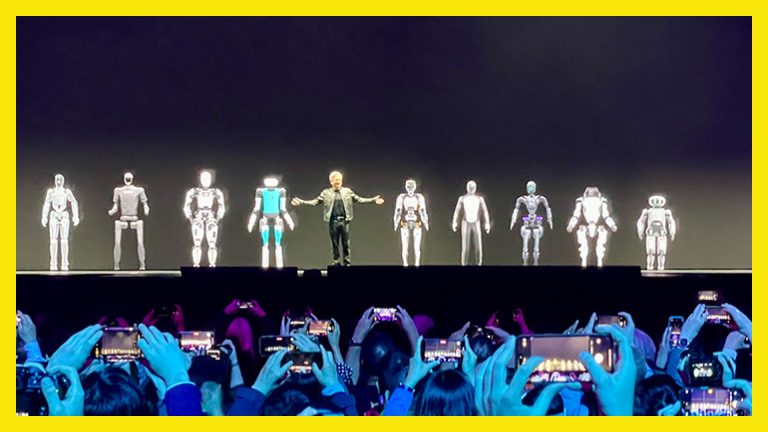
Alice had already drawn attention earlier this year when Nvidia chief executive Jensen Huang featured it during his CES keynote as an example of physical AI performing shipyard welding work, as splash247.com reports. This Hanwha Ocean pilot moves the discussion from demonstration value to site specific validation, although the source does not say when full deployment decisions might follow. What is clear is that shipbuilders are beginning to test whether humanoids can be useful in places where fixed automation has limited reach and where safety and labor availability remain persistent constraints.
Source: splash247.com