Figure AI humanoid robots sort packages without intervention
Figure AI humanoid robots sorted packages for around 50 hours nonstop without intervention, according to comments by Chief Executive Officer Brett Adcock in a Bloomberg Television interview on Friday. The claim matters because it shifts attention from short humanoid demos to sustained task execution, which is a more practical test of whether these systems can handle everyday warehouse work.
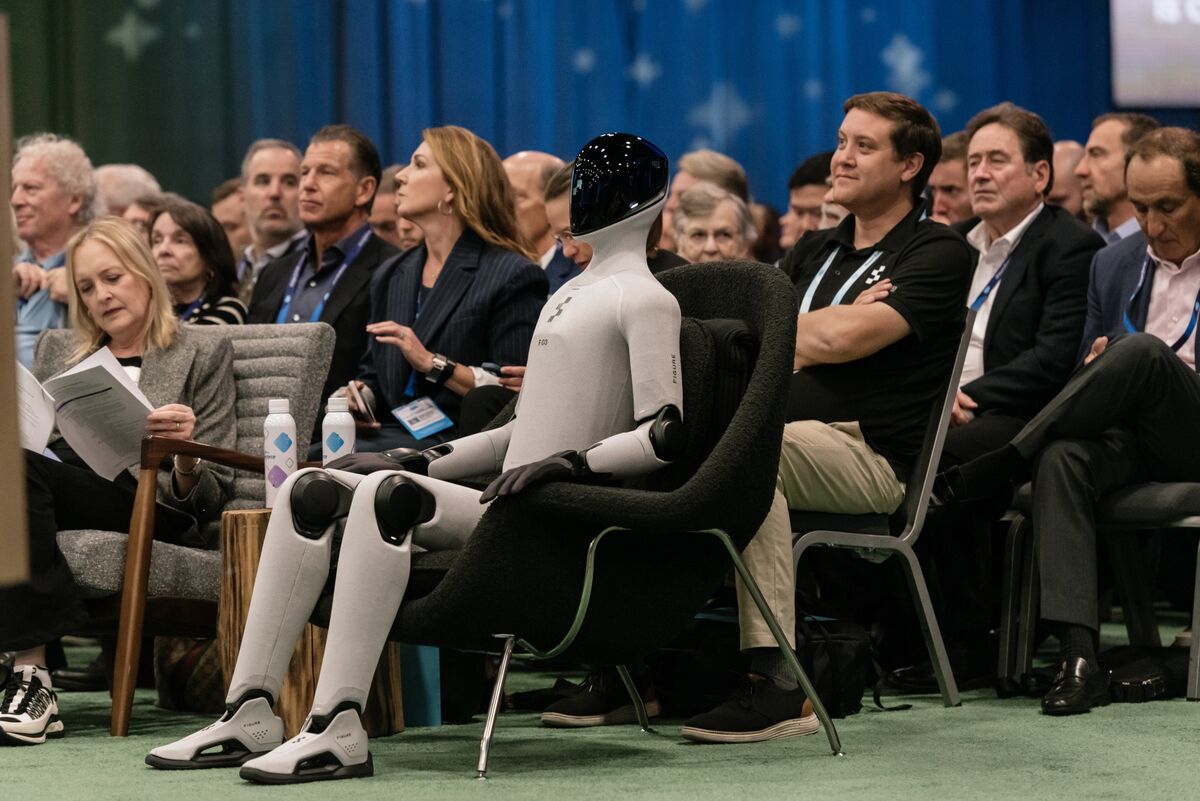
Figure AI humanoid robots in package sorting
Bloomberg reported that the robots were used to sort packages for roughly 50 continuous hours. Adcock described the result as a milestone in demonstrating the robots’ ability to take on everyday tasks, framing the test around duration and autonomy rather than a one-off maneuver.
That distinction is important in humanoid robotics. A package sorting task is repetitive, time sensitive, and physically structured enough to reveal whether a system can maintain stable performance over long periods, not just complete a single pick or handoff. Even with limited detail in the report, the duration alone makes the trial more relevant to industrial operators than a brief stage demonstration.
No teleoperation claim during the run
The most specific technical point in Adcock’s comments was his insistence that the run did not rely on remote human control. “There’s absolutely no teleoperation into this,” Adcock said in the interview, according to Bloomberg.
He also pointed to a repeated motion pattern as evidence that the behavior was being executed consistently by the robot. “Sometimes when the robot takes a turn to the left to grab packages, it moves its left hand out of the way upwards. You’ll see this behavior happen every single time the robot turns for packages,” Adcock said.
For practitioners, that is a more meaningful claim than a broad statement about autonomy. In warehouse pilots, one of the central questions is whether the robot can sustain useful work without frequent human correction, hidden intervention, or off-camera resets. Bloomberg’s brief account does not provide performance metrics, failure rates, or recovery details, but the no-teleoperation statement will likely draw close attention from companies evaluating humanoid systems for logistics tasks.
What the package sorting milestone does and does not show
The report stops short of answering several operational questions. It does not specify how many robots were involved, the exact working environment, the package mix, or how the system handled exceptions such as jams, awkward placements, or changing throughput. Those omissions matter because real deployments depend as much on recovery behavior and consistency as on average task speed.
Still, the update offers a concrete data point in a sector where many claims remain tied to edited videos or tightly managed demos. A 50-hour package sorting run, if independently repeated and documented in more depth, would suggest that humanoid systems are starting to be judged on uptime and autonomy, not just on whether they can imitate human motion.
Why this matters for humanoid deployment
Package handling is one of the clearer early use cases for humanoids because it combines frequent repetition with workspaces built for people. A humanoid that can remain productive in that environment without direct intervention could fit into existing facilities with less physical redesign than some purpose-built automation systems require. That does not make the business case automatic, but it does sharpen the discussion around where humanoids may first be useful.
According to Bloomberg, Figure AI is using this result to support the argument that its robots can move beyond controlled demonstrations and into everyday operations. The next step for the company, and for the wider humanoid field, will be to provide more detail on reliability, exception handling, and how performance changes across shifts, layouts, and task variation. Those are the points that will determine whether long-duration warehouse trials turn into repeatable commercial deployments.
Source: bloomberg.com