Max
100 000 USD

Meta
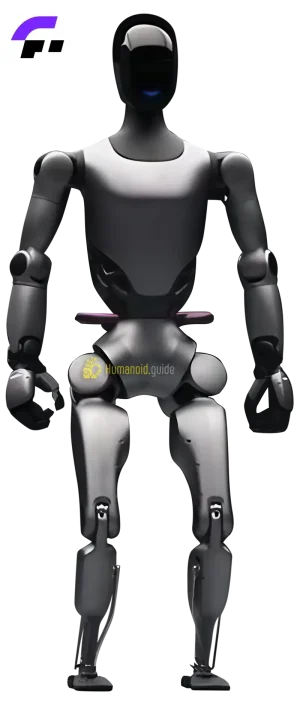
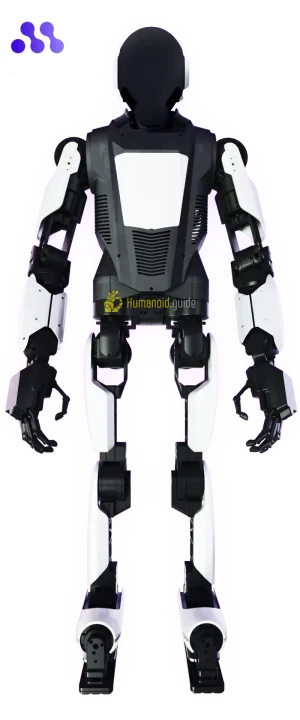
Max is Meta’s first humanoid robot prototype, built with Chinese robotics firm Fourier in about three months. Standing 1.5 m and weighing 48 kg, it runs on NVIDIA Jetson Thor, has five-fingered hands and an expressive face screen, and serves as a research platform for future home-helper robots.
Skill Score
 3


Specifications and details:
| Availability | Prototype |
|---|---|
| Nationality | US |
| Website | https://www.meta.com/ |
| Degrees of freedom, overall | 40 |
| Degrees of freedom, hands | 24 |
| Height [cm] | 150 |
| Max speed (km/h) | 5 |
| Strength [kg] | 6 |
| Weight [kg] | 48 |
| Runtime pr charge (hours) | 2 |
| Safe with humans | Designed for homes: communicates its operating state to build trust |
| CPU/GPU | NVIDIA Jetson Thor (2, 070 FP4 TFLOPS, 128 GB memory) |
| Ingress protection | N/A |
| Camera resolution | N/A |
| Connectivity | Wi-Fi |
| Operating system | N/A |
| LLM integration | Yes: positioned as the physical embodiment of Meta’s Muse AI agent / voice recognition from 5 m, gesture recognition from 3 m |
| Latency glass to action | N/A |
| Motor tech | Electric actuators |
| Gear tech | N/A |
| Main structural material | N/A |
| Number of fingers | 5 per hand |
| Main market | consumer home assistance, Research |
| Color | N/A |
| Manufacturer | Meta |
Description
Max is a humanoid robot prototype from Meta, the company behind Facebook, Instagram and WhatsApp. Meta built it together with Fourier, a Shanghai-based robotics company, in only about three months. Max stands about 1.5 meters tall and weighs roughly 48 kg. Meta first showed it to some employees at an internal robotics summit in late August 2026. In fact, the project marks Meta’s first known humanoid robot hardware.
Meta designed Max with home life in mind. The goal is a robot that can one day help with everyday household chores. Its five-fingered hands can handle small objects such as bottles and toys. Meanwhile, a screen serves as its face and can mimic facial expressions, and speakers sit in its chest. Max also recognizes voices from five meters away and understands gestures from three meters. As a result, it can interact with people in a natural, social way.
New! 2026 Humanoid
Robot Market Report
198 pages of exclusive insight from global robotics experts — uncover funding trends, technology challenges, leading manufacturers, supply chain shifts, and surveys and forecasts on future humanoid applications.

now Google DeepMind
Trust plays a central role in the design. Max shows people what it is doing and what state it is in, so they feel comfortable around it. Under the hood, an NVIDIA Jetson Thor computer powers the robot. Meta’s CTO, Andrew Bosworth, reportedly describes the humanoid as the physical body of Muse, Meta’s AI agent. In other words, Meta wants its AI to move beyond screens and smart glasses into the physical world.
I’m Olivia, Humanoid Analyst at Humanoid.Guide
My mission, together with the team, is to help your organization understand the landscape, compare solutions, and move toward successful robot deployments.
Max is not for sale, and Meta says it uses the prototypes only for research. Still, the company is moving fast. Work on a second version, Max 2, began in September 2026, with better hands, a redesigned torso, a projector and new sensors for climbing stairs. Moreover, Meta has expanded its robotics work by acquiring the AI startup Assured Robot Intelligence. In short, Max offers the first real look at Meta’s plans for humanoid robots in the home.
Download the Humanoid Robot Market Report here
Website: https://www.meta.com/