Physical AI Has a Local Problem
Robots get the general stuff cheaply. What they won't know is your factory. dotspot's Marcus Horn calls it the local problem of physical AI – here it is in two minutes.
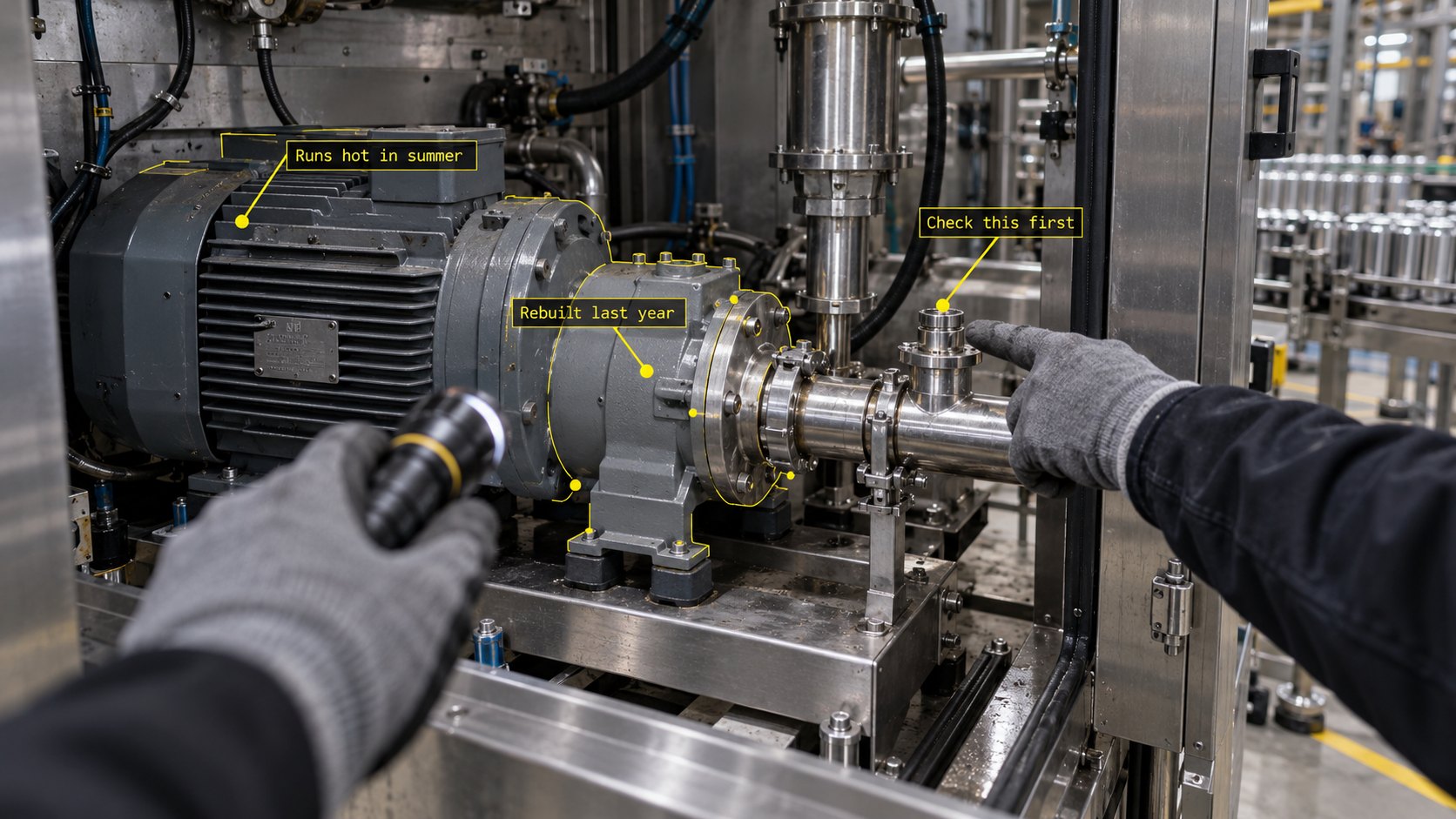
Read the full essay at dotspotHire the best maintenance engineer you can find. Twenty years in the trade. She will still need six to nine months to get up to speed – because none of her skill is about your plant. She doesn't know that line four runs hot in summer, or that one fault code lies.
1 · The Gap Every Company Already Pays For
General skill shows up complete on day one. Local knowledge gets earned, month by month. Marcus Horn's point: robots are about to walk into the very same gap.
Yellow = time and money. Paid for every senior hire today – and, if Horn is right, soon for every machine. Illustrative, not measured.
2 · Two Layers Getting Built, One Left Out
The money goes into foundation models and into the robots themselves. Both are general on purpose. Between them sits the layer nobody is building: how the work is actually done here.
And a plant can't let a robot push buttons to find out – a wrong move means scrap, damage or injury.
Solid layers can be bought by anyone, competitors included. The dashed one can't be bought at all.
3 · The Data That Matters Most Is the Scarcest
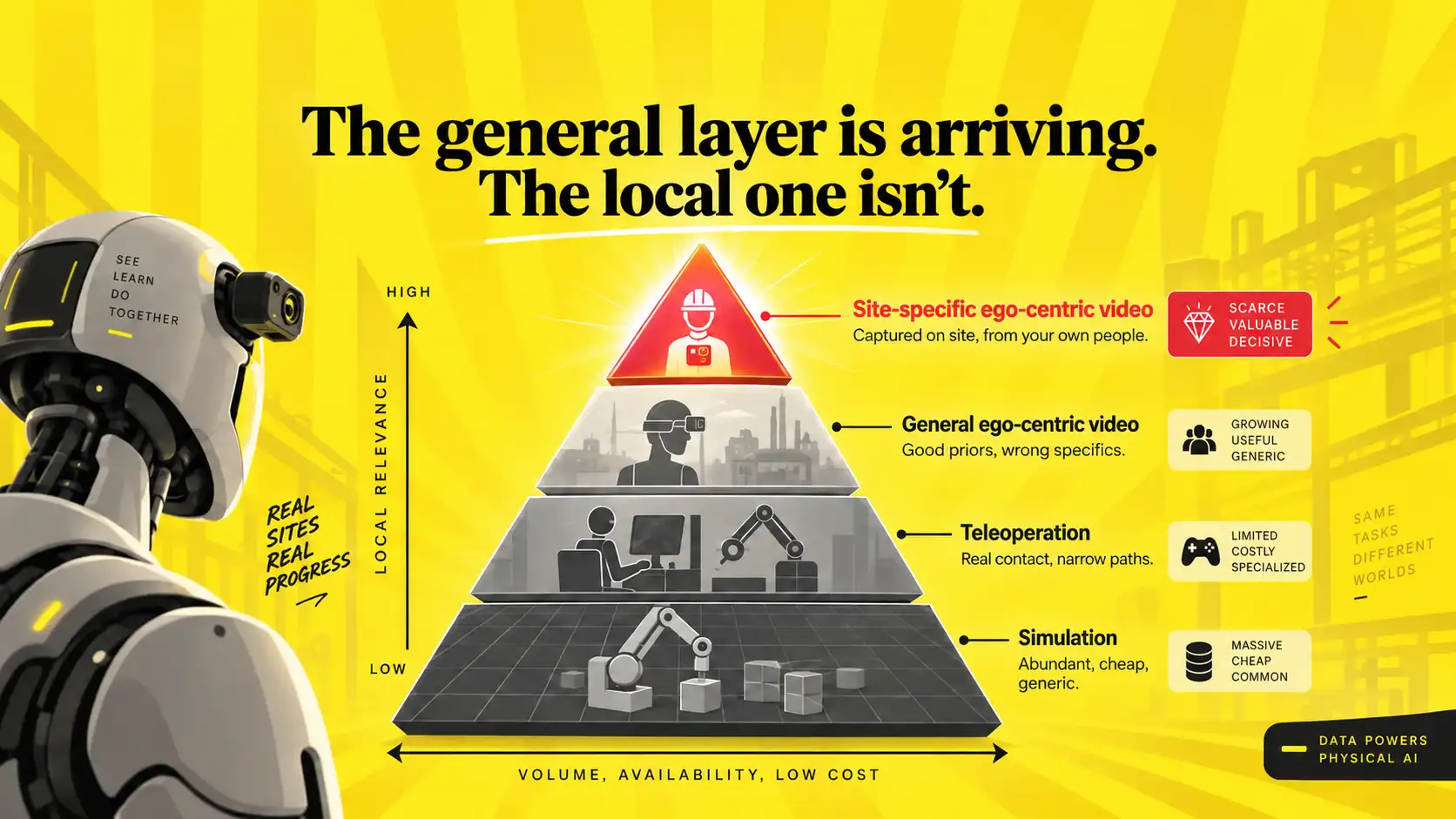
Simulation is endless and knows nothing about your site. Teleoperation and general first-person video get closer. But only footage of your own people on your own line knows about line four – and nobody sells that.
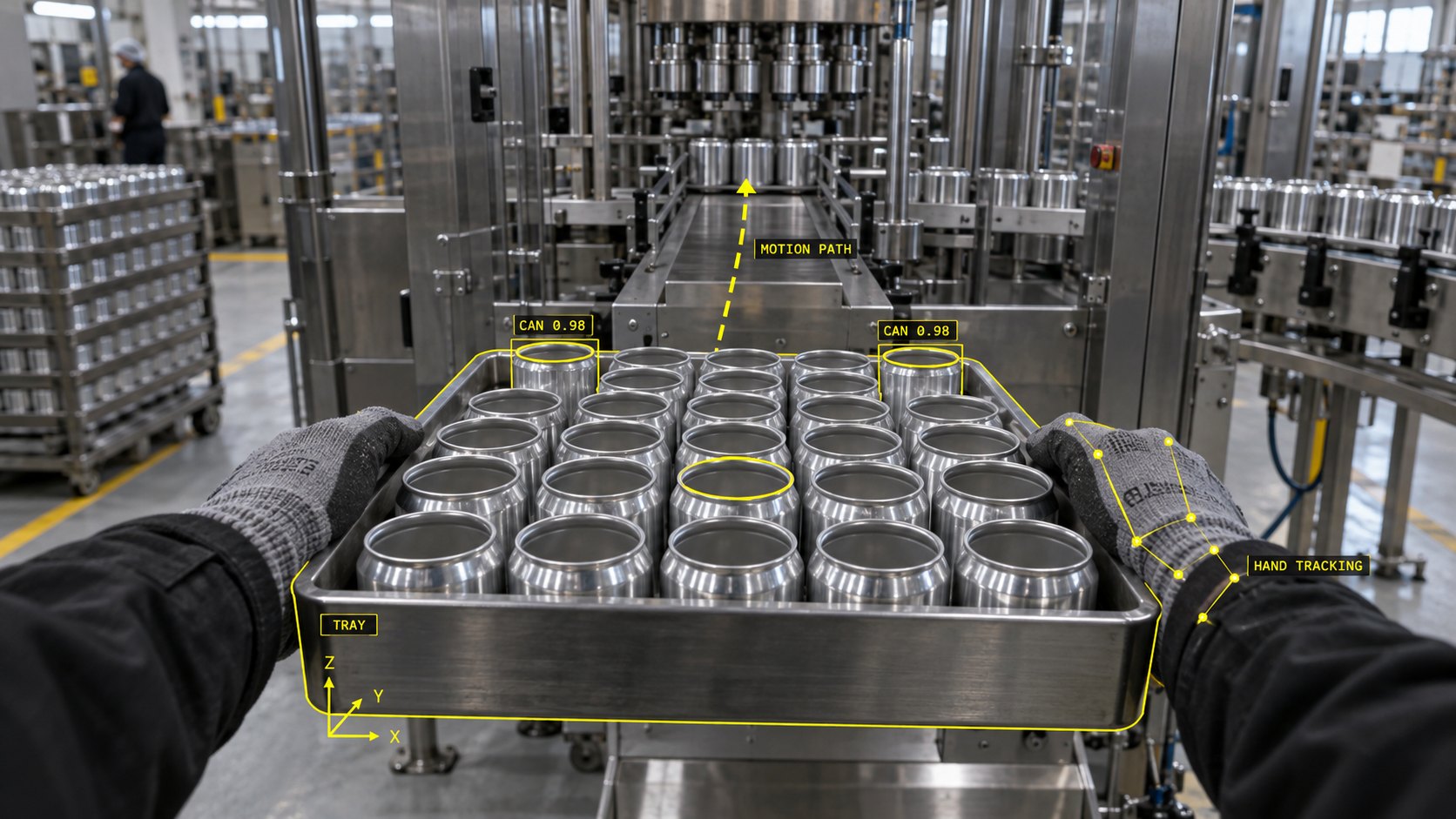
The wider the slab, the more of it exists. Grey can be bought, generated or scraped – by your competitors too. The yellow tip can only be captured on site. Illustrative.
New! 2026 Humanoid
Robot Market Report
198 pages of exclusive insight from global robotics experts — uncover funding trends, technology challenges, leading manufacturers, supply chain shifts, and surveys and forecasts on future humanoid applications.

now Google DeepMind
4 · Two Failures That Keep Coming Back
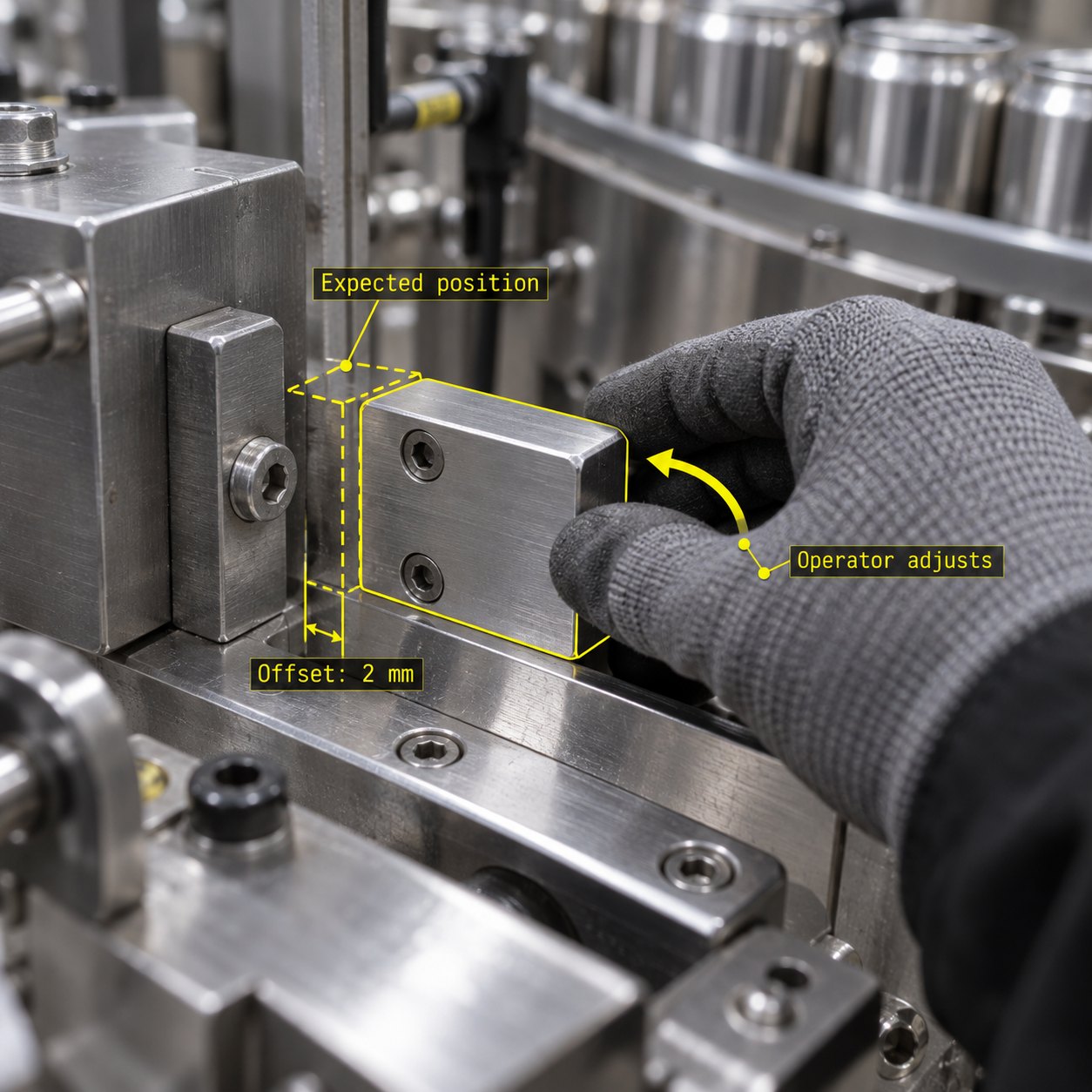
Small surprises. A robot learns one path and does it well. Then a fixture shifts two millimetres. A seasoned operator shrugs and adjusts. The robot stops – or worse, keeps going.
Changeovers. New product next week. A human carries the changeover in their head. A robot that must be re-taught every time is one more thing to look after.
Same root, says Horn: the system learned a task, not the work.
5 · The Fix: an Operating Envelope
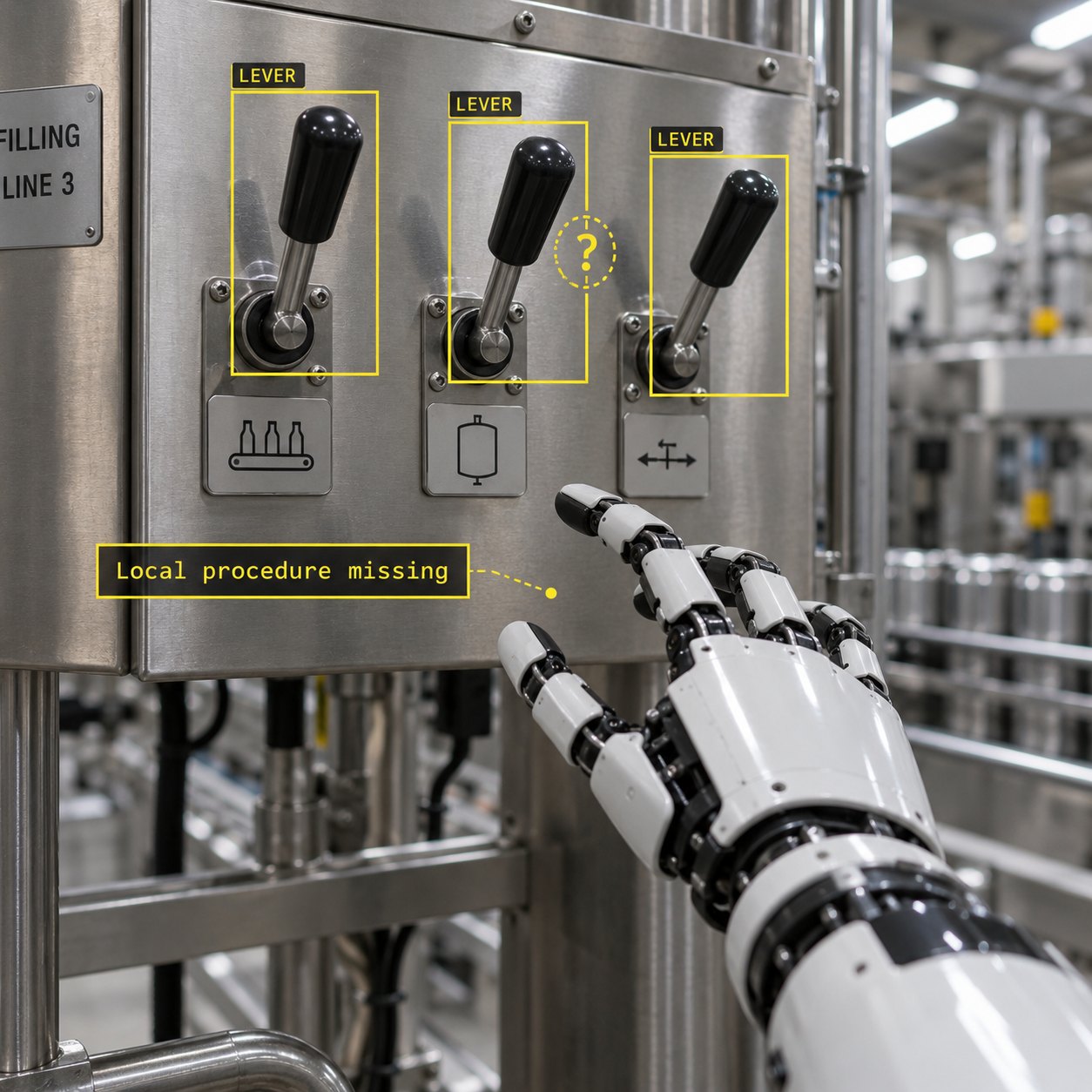
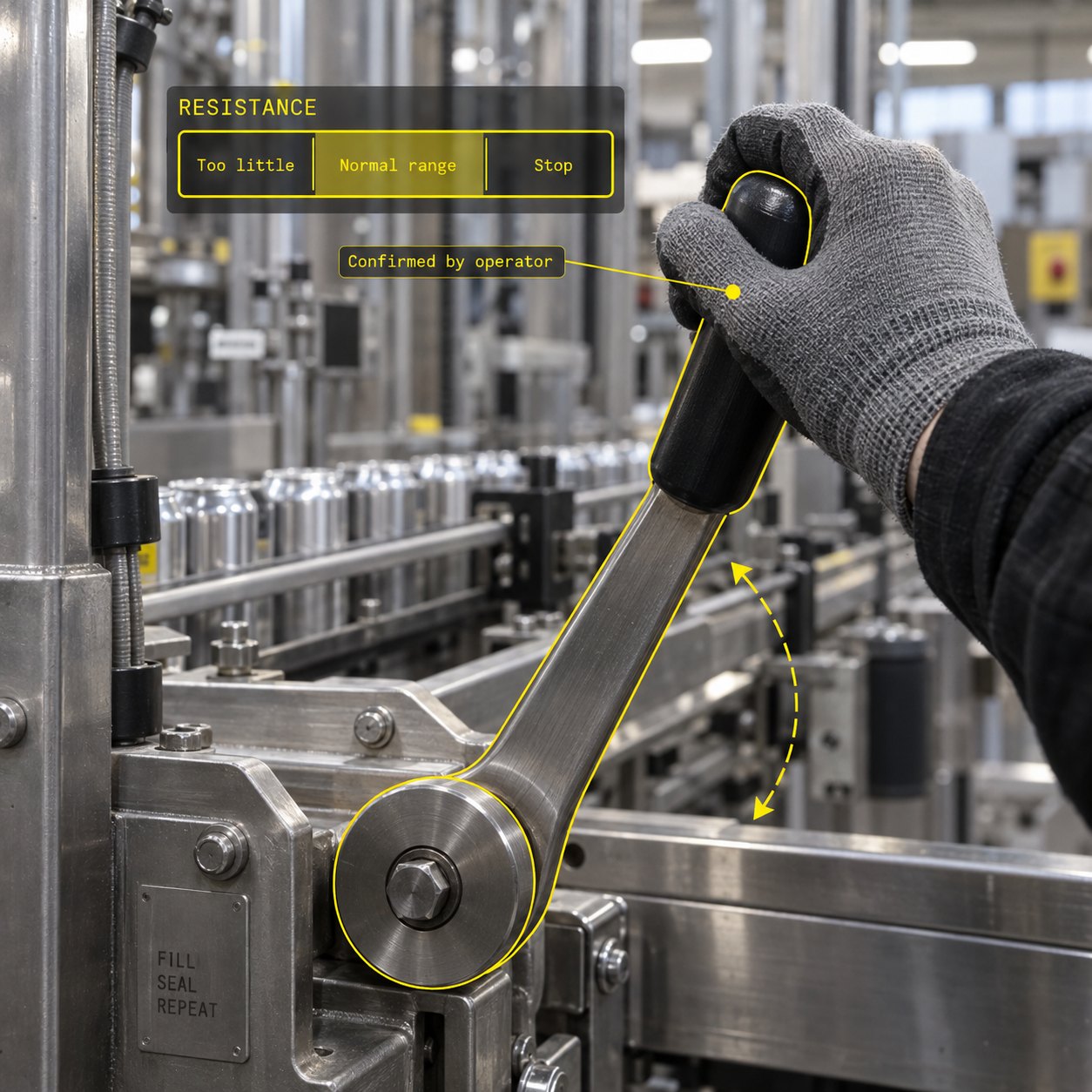
A general model knows how to pull a lever. It doesn't know how this lever should feel. Too little force and nothing engages. Too much and something is wrong – stop.
That range is written down nowhere; it lives in people's hands. Horn calls it the operating envelope: the normal range of how work is done here, and what should trigger a stop. Multiply by every lever, valve and fixture on site and you have the missing layer.
6 · Keep the Dead Ends
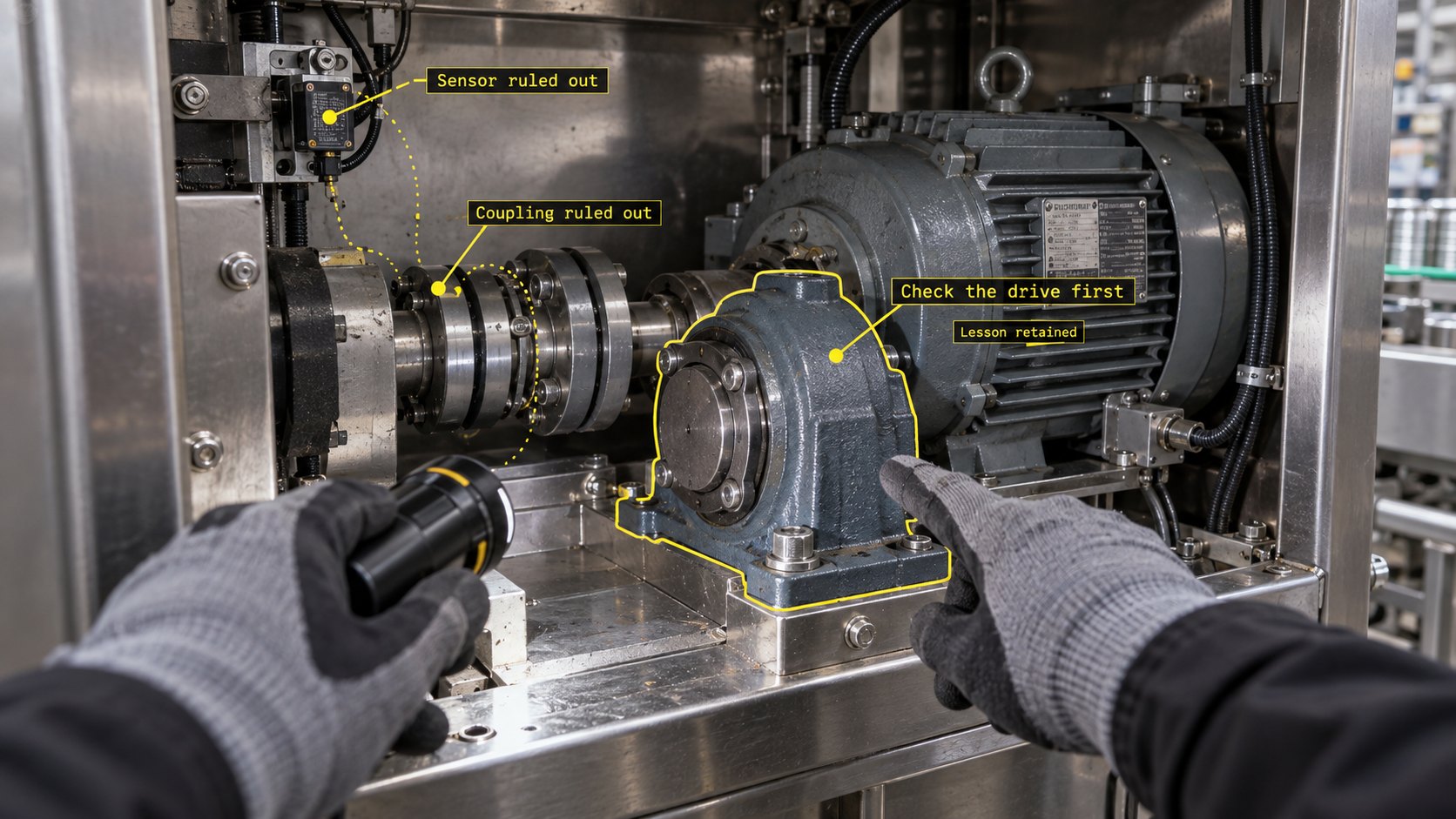
Horn's recipe for building an envelope: observe real work and let the experts confirm it, keep it continuously updated, make sure the company owns it rather than a robot vendor – and record what didn't work. Reports only keep the clean answer. The sensor that wasn't the problem and the coupling that was only a symptom are what the next person needs.
The Takeaway
If general capability becomes a commodity, advantage moves to what is local – knowledge that sits in people's heads today and retires with them. Fair caveat: dotspot sells tools for capturing exactly that, so Horn isn't neutral. But anyone who has started a new job knows the gap is real.
"The generic part is coming for free. The local part never will."
That was the short version. The essay has the rest.
Read the full essay at dotspotNew! 2026 Humanoid
Robot Market Report
198 pages of exclusive insight from global robotics experts — uncover funding trends, technology challenges, leading manufacturers, supply chain shifts, and surveys and forecasts on future humanoid applications.
now Google DeepMind