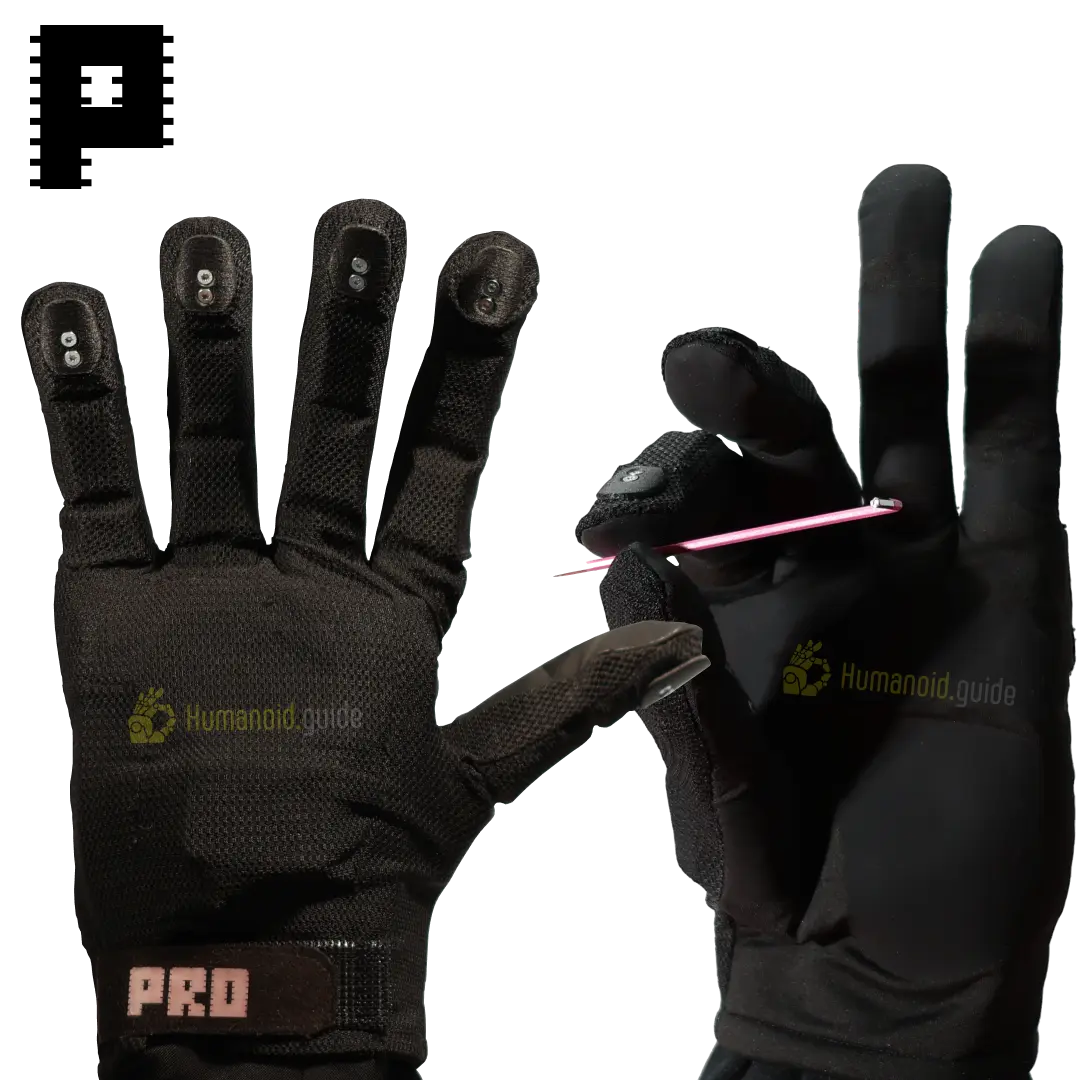
ProHand 1.0
22 000 USD

Proception Inc. (Proception AI)
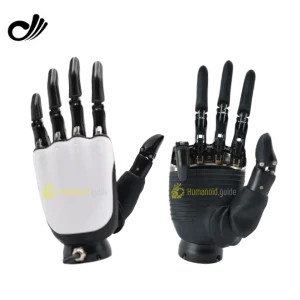
ProHand 1.0 is Proception AI’s research-grade dexterous hand — a 22-DoF, tendon-driven design built with hand surgeons for humanlike motion. With skin-like tactile sensors, 20kg of grip force, and a companion data-collection glove (ProGlove), it’s built for researchers and robotics companies working on contact-rich manipulation.
Hand Score
 7
7

Specifications and details:
| Availability | In production |
|---|---|
| Degrees of freedom, hands | 22 |
| Strength [kg] | 20 |
| Weight [kg] | 0.58 |
| Size | N/A |
| Number of fingers | 5 |
| Tactile/Force Sensors | Distributed "skin-like" tactile sensors across the hand detect contact and pressure in real time, supporting adaptive, compliant grip control. |
| Motor tech | Tendon-driven actuation — motors pull cables to move the fingers, keeping the hand lightweight and compact. |
| Main structural material | Lightweight metal/composite frame |
| Manufacturer | Proception Inc. (Proception AI) |
| Nationality | US |
| Website | https://www.proception.ai |
Description
ProHand 1.0 aims to give robots a hand that works the way a human hand actually does. Proception built it with input from hand surgeons, so its joint structure closely follows real human anatomy. It runs on 22 degrees of freedom, with multiple joints in each finger, so it reaches natural, humanlike poses instead of stiff, mechanical ones. Because it uses tendon-driven actuation, motors pull cables to move the fingers, much like muscles pull tendons in a real hand. As a result, the fingers themselves stay lightweight and compact, even with all that range of motion. The whole system is also built to take a hit: it withstands impacts and stays easy to service, so it holds up outside a lab.
2026 Humanoid Robot Market Report
Interested in the ProHand 1.0? Download 198 pages of exclusive insight from global robotics experts — uncover funding trends, technology challenges, leading manufacturers, supply chain shifts, and surveys and forecasts on future humanoid applications.
humanoid expert
Sensing is just as important to ProHand’s design as movement. Skin-like sensors cover the hand and detect contact in real time, so it can adjust its grip based on what it actually feels. Therefore, it adapts to different objects instead of relying on one fixed grasp pattern. It can also apply up to 20 kilograms of grip force, which lets it handle both delicate tasks and heavier objects with the same hand. Additionally, Proception pairs ProHand with ProGlove, a wearable glove that captures real human hand data for training. Consequently, researchers can teach the hand new skills by simply demonstrating them, rather than programming every motion by hand.
Download the Humanoid Robot Market Report here
Website: www.proception.ai