G2 Max
135 000 USD

AgiBot
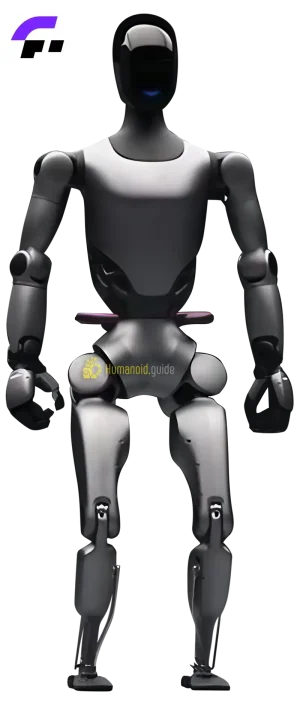
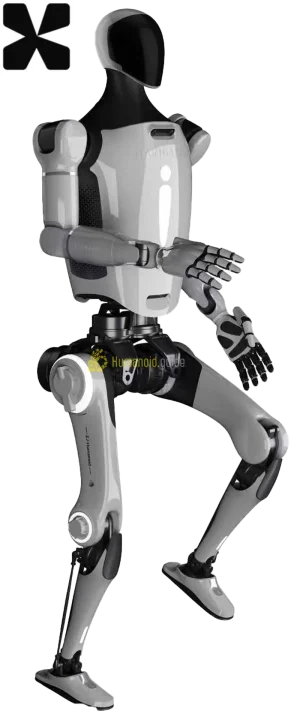
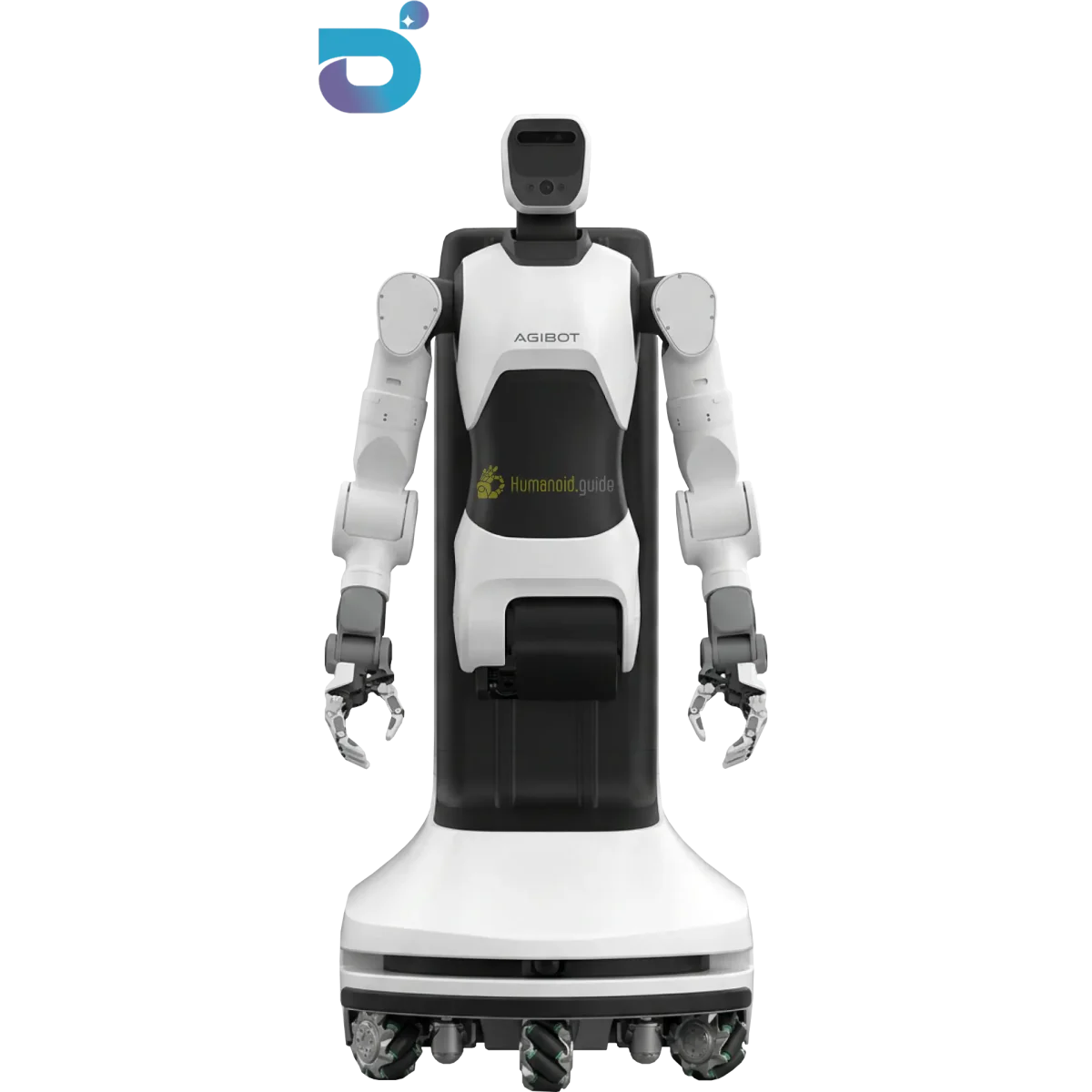
The AgiBot G2 Max is an upgraded, heavy-payload version of the G2 industrial humanoid — a wheeled, force-controlled task robot built for material handling, palletizing, and precision factory work, powered by NVIDIA Jetson Thor onboard AI.
Skill Score
 3
3

Specifications and details:
| Availability | In production |
|---|---|
| Nationality | China |
| Website | https://www.agibot.com/ |
| Degrees of freedom, overall | 50 |
| Degrees of freedom, hands | 24 |
| Height [cm] | 179 |
| Max speed (km/h) | 5.4 |
| Strength [kg] | 20 |
| Weight [kg] | 185 |
| Runtime pr charge (hours) | 4 |
| Safe with humans | Yes |
| CPU/GPU | NVIDIA Jetson Thor T5000 (~2, 070 TFLOPS FP4) + Rhino R1 (~500 TOPS) |
| Ingress protection | IP42 |
| Camera resolution | N/A |
| Connectivity | 4G, 5G, Bluetooth, Wi-Fi |
| Operating system | N/A |
| LLM integration | Yes — runs VLA and LLM models on-device; LLM + RAG knowledge base for role switching |
| Latency glass to action | Under 10 ms (multi-sensor stream processing) |
| Motor tech | Electric servo actuators |
| Gear tech | Harmonic / Planetary reducers |
| Main structural material | Aluminum alloy frame with polymer shell |
| Number of fingers | 2-finger gripping claws |
| Main market | Industrial, logistics, Manufacturing |
| Manufacturer | AgiBot |
| Platform | Wheeled |
Description
AgiBot unveiled the G2 Max at the World Artificial Intelligence Conference in Shanghai in July 2026. The company built it as an upgraded, heavy-payload version of its G2 “Genie” industrial humanoid. AgiBot calls it its first heavy-payload, force-controlled embodied task robot, and it targets demanding factory jobs. Rather than chase agility or crowd-pleasing stunts, AgiBot aimed this machine squarely at real production work. The robot handles material movement, palletizing, and other repetitive tasks that require both strength and a careful touch.
The G2 Max keeps the wheeled base of the original G2, and that choice is deliberate. A stable rolling platform holds the robot steady during precise assembly, whereas a walking gait would introduce vibration. Meanwhile, the freed-up weight budget goes into stronger arms and a higher payload. The robot also adjusts its working height, so it can meet a workstation instead of forcing the line to adapt to it. As a result, factories can slot the G2 Max into existing setups without rebuilding everything around it.
New! 2026 Humanoid
Robot Market Report
198 pages of exclusive insight from global robotics experts — uncover funding trends, technology challenges, leading manufacturers, supply chain shifts, and surveys and forecasts on future humanoid applications.

now Google DeepMind
Underneath, the G2 Max runs on one of the strongest onboard AI stacks in the industry. It pairs an NVIDIA Jetson Thor processor with a dedicated chip for navigation and joint control. Because of that headroom, the robot runs large vision-language-action and language models directly on board, without leaning on the cloud. AgiBot’s Genie RL toolkit then lets operators teach new tasks in hours rather than weeks. Consequently, the robot fits high-mix production lines where products change often and downtime costs money.
I’m Olivia, Humanoid Analyst at Humanoid.Guide
My mission, together with the team, is to help your organization understand the landscape, compare solutions, and move toward successful robot deployments.
For now, AgiBot positions the G2 Max as a commercial industrial product rather than a research prototype. The company has already deployed earlier G2 units on live production lines, and it clearly wants the Max to follow. Still, the robot targets factories and integrators, not home users. AgiBot wants a dependable worker that shows up shift after shift and delivers consistent results. In that sense, the G2 Max reflects the company’s broader push: robots that factories can actually buy, deploy, and trust.
Download the Humanoid Robot Market Report here
Website: www.agibot.com