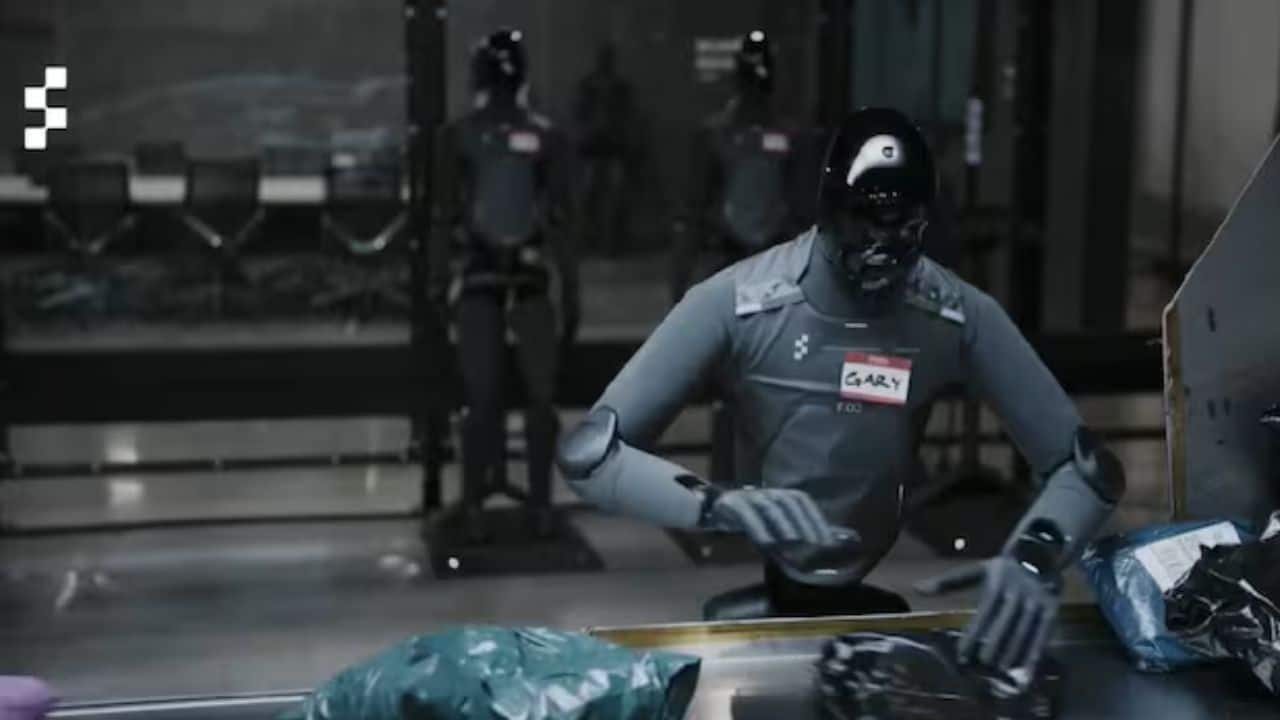
Figure AI humanoid robot demonstrates 8-hour warehouse shift
A Figure AI humanoid robot spent eight hours sorting and moving packages in a livestream highlighted on May 17, putting sustained warehouse work, rather than short edited clips, at the center of the discussion. The demonstration quickly drew scrutiny online, with some viewers questioning whether the robot was fully autonomous or whether remote control or human intervention played a role.
What the Figure AI humanoid robot demo showed
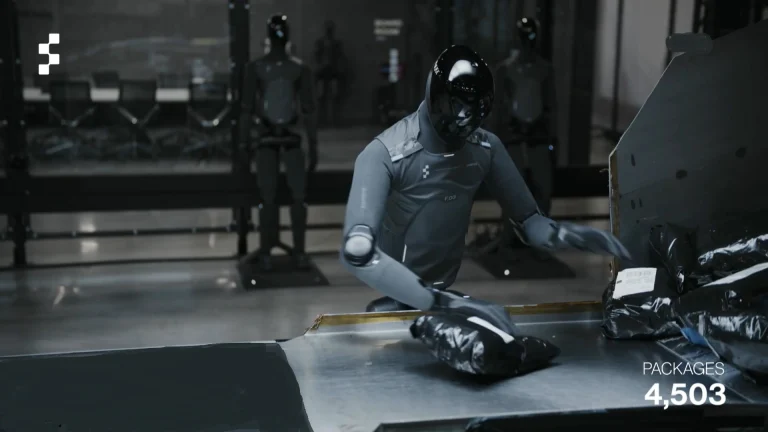
According to moneycontrol.com, the livestream showed the humanoid robot working continuously for eight hours on warehouse tasks. The visible work involved sorting and moving packages, which are among the clearest near-term use cases for humanoid systems aimed at logistics and material handling environments.
The basic claim matters because runtime is a meaningful operational measure. A robot that can work through an entire shift without stopping addresses a different question from a robot that can complete a short sequence once for a staged demo. For warehouse operators, endurance, repeatability, and the ability to stay on task over long periods are at least as important as peak dexterity.
Why viewers questioned the warehouse livestream
The same source says online viewers began analyzing moments they believed showed glitches, remote control, or human intervention. That reaction reflects a broader pattern in humanoid robotics coverage, where public audiences increasingly treat long-form video as evidence to be audited rather than simply watched.
At the same time, the article describes the response from experts as more measured, saying the demo was impressive despite public skepticism. That split is notable. A continuous warehouse stream can advance the conversation even if it does not settle every question about autonomy, because it forces attention onto uptime, task continuity, and the practical conditions under which a humanoid system is operating.
What the eight-hour shift means for humanoid robotics
A warehouse setting is a useful proving ground for humanoids because the work is structured enough to measure but variable enough to expose weaknesses. Sorting and moving packages requires repeated perception, grasping, placement, and recovery from small disturbances. Demonstrating those actions over hours suggests progress in system stability, not just isolated manipulation capability.
That said, the source does not provide the technical detail needed to fully evaluate the run. It does not specify the extent of supervision, whether any intervention occurred off camera, what error rate was observed, or how task performance changed over time. Those omissions do not negate the demo, but they limit how precisely the industry can compare it with other warehouse pilots or deployment claims.
What operators and developers will look for next
For practitioners following humanoid robotics, the next step is not another viral clip but clearer operating evidence. Longer demonstrations are useful when they are paired with information about autonomy boundaries, failure handling, reset procedures, and the level of human oversight. Without that context, public debate tends to swing between overstatement and outright dismissal.
The Figure AI humanoid robot livestream still signals where the sector is heading. Vendors are being pushed to show not only what a robot can do, but how long it can keep doing it under realistic work conditions. Future warehouse demonstrations will likely be judged less by spectacle and more by transparency around sustained operation.
Source: moneycontrol.com