Nvidia humanoid platform powers over 80% of humanoids
More than 80% of humanoid robots worldwide are estimated to use Nvidia’s robotics platform, according to ABI Research data cited by Chosun. The figure points to a high concentration around one supplier for the processors, models and simulation tools used to train and operate humanoids.
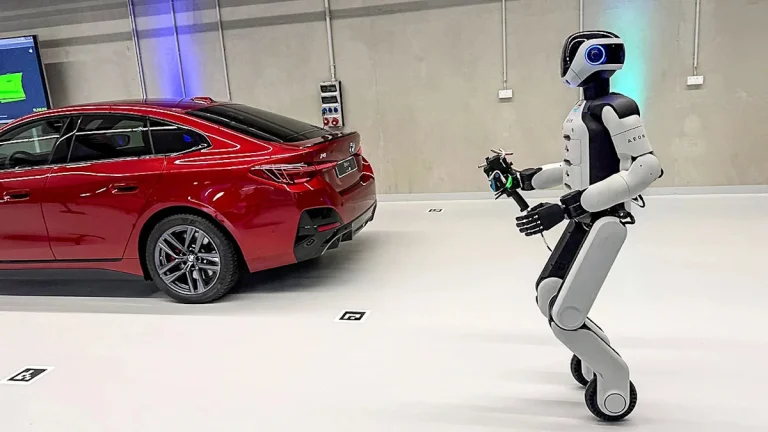
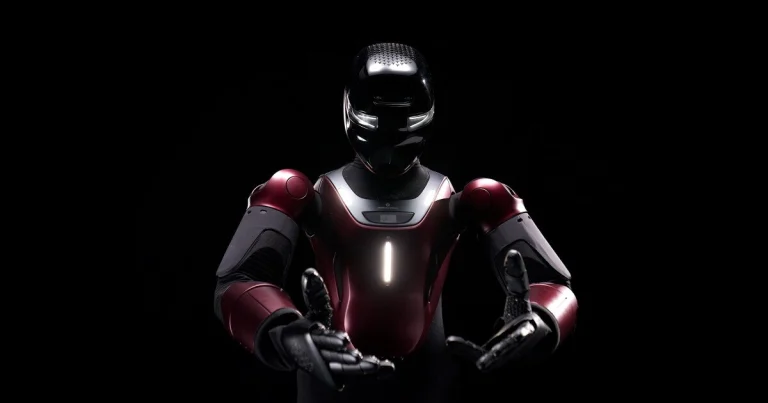
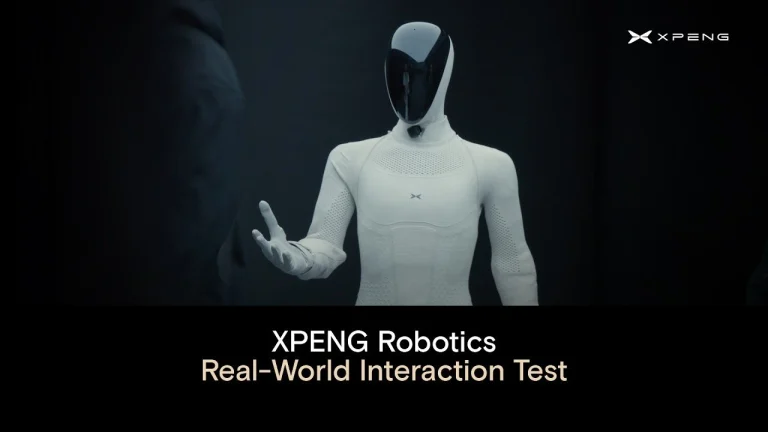
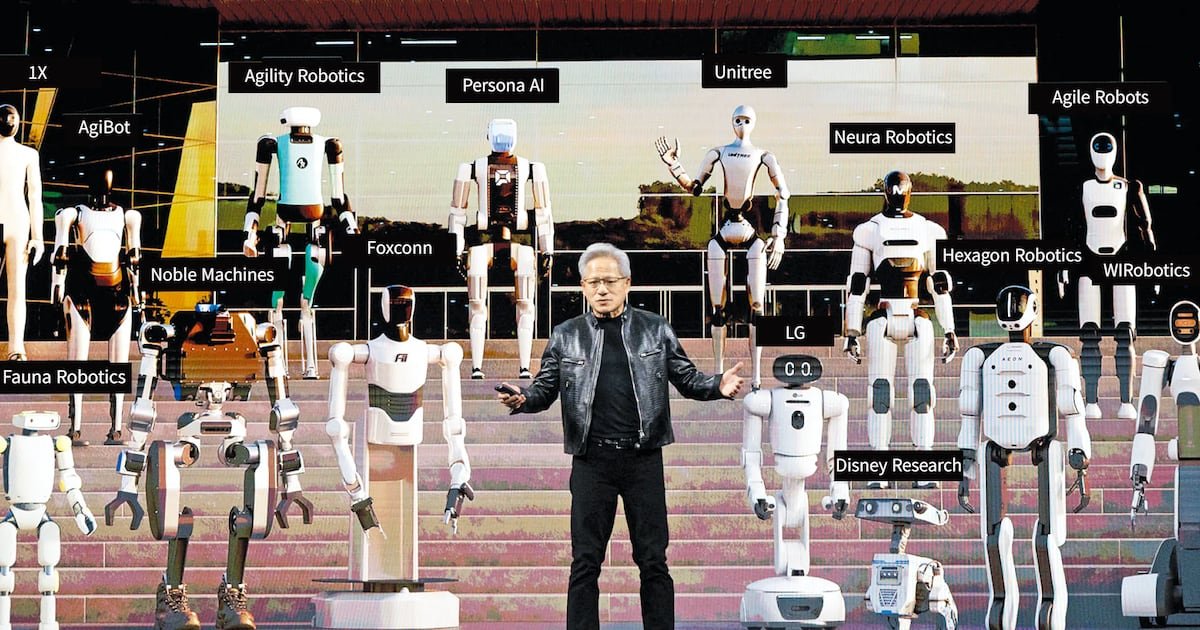
Nvidia displayed that reach at GTC Taipei 2026 on June 1, where an image behind CEO Jensen Huang featured more than 20 humanoids from multiple countries. The companies represented included Agility Robotics and Figure AI from the U.S., Unitree and AgiBot from China, NeuRa Robotics from Germany, and Rainbow Robotics and LG Electronics from South Korea.
A similar pattern appeared at Automate 2026 in Chicago on June 22. Humanoids carried the label Accelerated by Nvidia, which Chosun said covered machines using Nvidia processors as well as robots trained in the company’s virtual environments.
Nvidia supplies models, simulation and onboard computing
The Nvidia humanoid platform extends beyond chips. The company introduced its GR00T robotics foundation model in March 2024 as part of a broader system for training robots and executing learned behaviors on physical hardware.
That system combines robot AI models, virtual training environments and processors intended for onboard operation. For humanoid manufacturers, it provides an integrated alternative to building every part of the software and compute stack internally. Huang said Nvidia was collaborating with almost every company developing robotics systems.
The ABI Research estimate requires some qualification. Chosun’s definition includes robots that use Nvidia hardware and those trained with its software, which are materially different forms of dependence. The report does not separate humanoids using Nvidia at runtime from those using its tools only during development.
U.S. companies lead the model layer
A Morgan Stanley Humanoid 100 report cited by Chosun identified 10 of 15 leading humanoid intelligence companies as U.S. based. Baidu was the only Chinese company on that list.
Nvidia is not the only U.S. developer pursuing general robot control models. Google DeepMind’s Gemini Robotics 2 is described as controlling walking, balance and hand manipulation across the humanoid body. Physical Intelligence’s π0.7 is intended to recombine learned actions when a robot encounters an unfamiliar task.
Chinese humanoid makers including AgiBot and Unitree are developing independent robot intelligence systems, but the report argues that their chips and virtual training infrastructure still rely heavily on U.S. technology. Kim Ik-jae, director of the KIST AI and Robotics Research Institute, said China is seeking to close the gap through industrial data and field testing, while the U.S. remains ahead in advanced robot intelligence.
The concentration gives Nvidia influence across otherwise competing humanoid programs. A clearer breakdown of the 80% estimate by processor use, simulation use and model use would show how deeply that influence extends into deployed machines.
Source: chosun.com