Hyundai Motor Group plans deployment of 25,000 Atlas humanoid robots
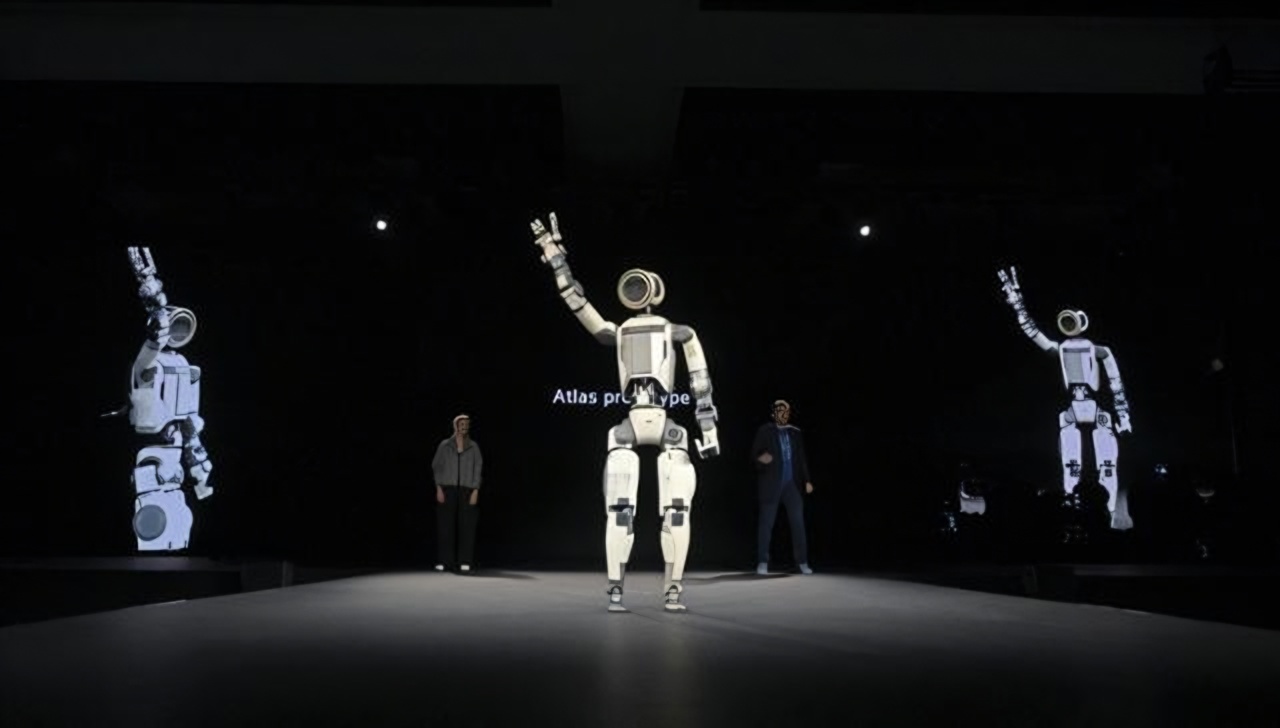
Hyundai Motor Group said it plans to deploy more than 25,000 Atlas humanoid robots, developed by subsidiary Boston Dynamics, across Hyundai Motor and Kia manufacturing facilities, according to investor relations materials released Tuesday. The plan combines a large internal deployment target with U.S. production goals for both robots and key components, putting humanoids into the group’s stated manufacturing roadmap rather than leaving them as a limited pilot.
Atlas humanoid robots deployment plan
The plan was presented during an investor relations session hosted by JPMorgan Chase. According to The Korea Times, Hyundai Motor Group said it aims to reach annual production capacity of 30,000 Atlas robots by 2028.
Hyundai also said it plans to deploy more than 25,000 robots across Hyundai Motor and Kia manufacturing facilities. The group did not provide a detailed rollout schedule or identify which plants beyond the Georgia sites would receive the systems, so the timing and distribution of those units remain unclear.
Even with those gaps, the scale of the target is notable because Hyundai is framing humanoids as part of its core factory strategy. The source text describes the rollout as a phased effort to integrate humanoid robots into the group’s main manufacturing processes, suggesting a broader operational role than a one-off demonstration inside a research setting.
U.S. manufacturing and component output
Alongside robot deployment, Hyundai Motor Group said it aims to produce more than 300,000 actuator units annually at U.S. facilities. The company described actuators as key robot components that function as joints and muscles, making them central to the motion system of Atlas.
The investor materials cited by the report also point to manufacturing core robot components in the United States. That matters because the plan is not limited to buying finished units from a robotics subsidiary. It also includes building out the parts base needed to support higher production volumes and ongoing factory use.
The article does not say which U.S. facilities would make the actuator units, how production would be split among sites, or whether the components would be used only for Atlas. It also does not include details on cost, throughput targets inside specific plants, or the work cells where the humanoids would first be assigned.
Georgia rollout provides the first timeline
The clearest site-specific timeline in the report concerns Georgia. During recent overseas road shows, Song Ho-sung, chief executive officer of Kia Corp., outlined plans to deploy the humanoid robots at Kia’s Georgia plant in 2029, following an initial rollout at Hyundai Motor Group Metaplant America in Georgia in 2028.
That sequence indicates Hyundai expects its U.S. operations to serve as the first proving ground for the wider Atlas humanoid robots program. It also suggests a staged implementation model, with one plant beginning earlier before a second Georgia facility follows a year later.
The report does not identify which manufacturing tasks Atlas will perform at either site. Without that detail, it is still too early to judge whether the first deployments will focus on material handling, line-side support, or other production roles, or how much human supervision will be required during early operation.
What the announcement means for factory adoption
For the humanoid robotics sector, Hyundai’s announcement stands out because it ties robot production capacity, component manufacturing, and internal plant deployment into one disclosed plan. The stated target of 30,000 Atlas units in annual production by 2028 goes beyond a simple technology showcase and places attention on whether Boston Dynamics and Hyundai can translate a humanoid platform into repeatable factory deployment.
The next important step will be the release of plant-level schedules, assigned tasks, and performance metrics as 2028 approaches. Until then, Hyundai Motor Group has established a clear intention to put Atlas into automotive manufacturing at scale, but many of the practical details that operators and suppliers would need are still undisclosed.
Source: koreatimes.co.kr