Humanoids beat human sprint records at Beijing robot games
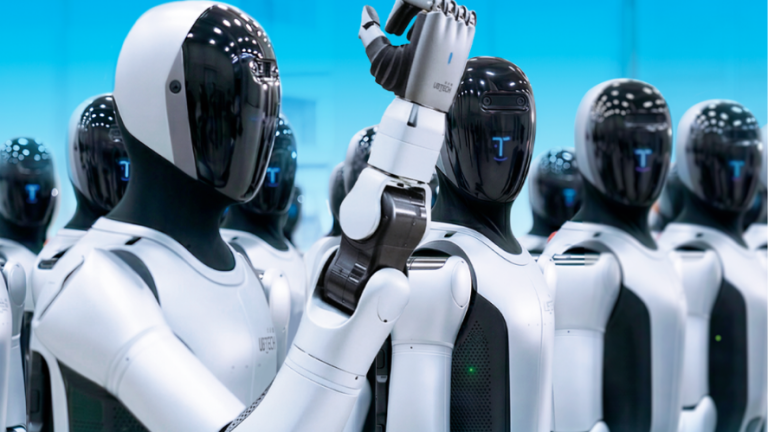
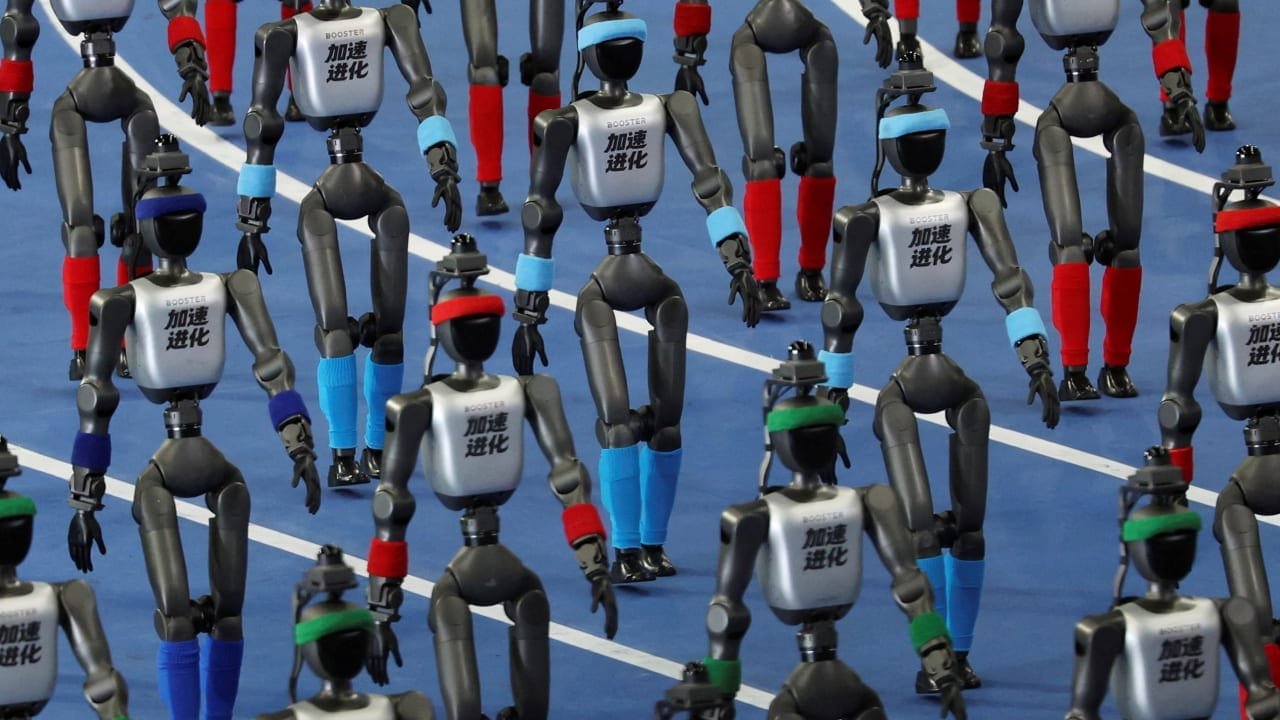
Two humanoid robots completed a 100 meter sprint in less than Usain Bolt’s 9.58 second world record at the World Humanoid Robot Games in Beijing, according to Reuters reporting published by The Jerusalem Post. The result was a substantial improvement over the 2025 competition, when the winning robot took more than 20 seconds.
A robot of the same model as the 100 meter champion also covered 400 meters in 39.7 seconds, beating Wayde van Niekerk’s 43.03 second human record. The source did not identify the winning model or provide technical specifications for it.
The comparisons require a clear caveat. Braking remained unresolved, with the sprinting machines running into a thick mat positioned several meters beyond the finish line. The times demonstrate high speed legged locomotion under competition conditions, but not a complete start, sprint and controlled stop cycle.
Autonomy tests extend beyond the track
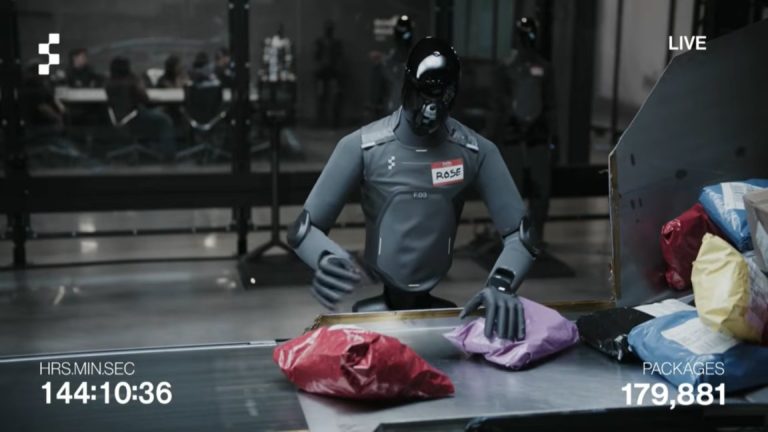
The five day event includes 51 competitions, split between 30 sports events and 21 scenario based contests. More than 40% require fully autonomous operation, according to Huawei, a technology partner for the games.
Those scenarios cover industrial assembly, material loading, EV charging, restaurant work and emergency incident handling. A cable connection challenge tests object perception, mechanical alignment and force control, while separate hand dexterity contests examine manipulation.
These tasks are more directly relevant to prospective humanoid deployments than sprint times. Small placement errors, changing object positions and missed steps test whether a system can correct its actions without human intervention. Lumos Robotics CEO Yu Chao said the longer term value depends on performance in such real world settings rather than running and jumping alone.
Longer and more intense events also place pressure on battery management and thermal dissipation, robotics investor Xu Qiaosheng told Reuters. The 400 meter result provides some evidence of sustained dynamic performance, although the report did not include energy consumption, thermal data or information about external control.
Tennis adds a complex perception challenge
Beijing based Galbot said it would stage an autonomous humanoid tennis match covering singles and doubles play. The robots are expected to track the ball, serve and return shots, combining rapid perception with whole body positioning and timed contact.
The event also includes tug of war, weightlifting and traditional Chinese sports. For operators assessing practical systems, the industrial and dexterity results should provide the more useful evidence, particularly where organizers disclose autonomy conditions and failure recovery.
Source: jpost.com