Home humanoid robots advance as Tesla, 1X, Agility scale up
Home humanoid robots moved closer to real customer exposure in 2026, at least in the framing of a New York Post report carried by AOL that grouped Tesla Optimus, 1X’s NEO Gamma, Agility Robotics’ Digit v4 and Disney’s Olaf as near term examples. Taken together, the four systems point to a market dividing into domestic assistance, tightly scoped warehouse labor and entertainment, with very different levels of operational maturity behind each category.
Home humanoid robots move toward early delivery
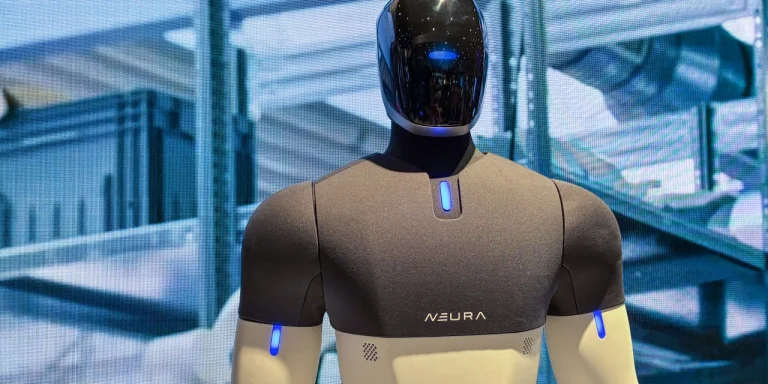
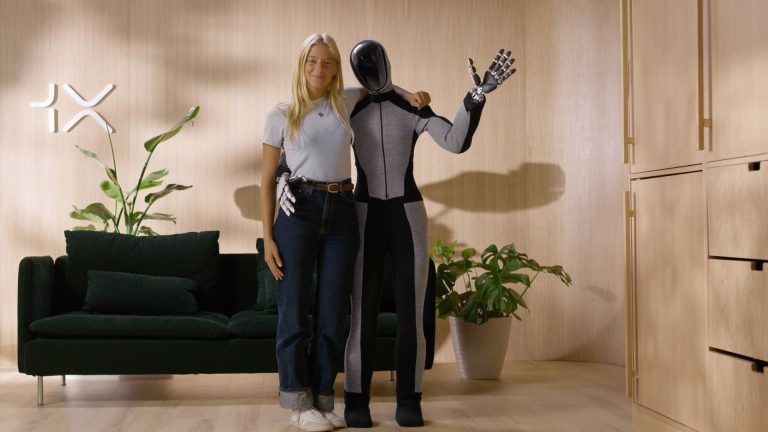
Among the systems aimed at domestic use, 1X’s NEO Gamma appears closest to a consumer trial model. The report says the robot stands 5 feet 6 inches tall and that early adopters are already ordering units for $20,000, with delivery anticipated later in 2026. It also describes 1X’s approach as one in which the robot improves through doing tasks in real homes, so early deployments would function as both product rollout and data gathering.
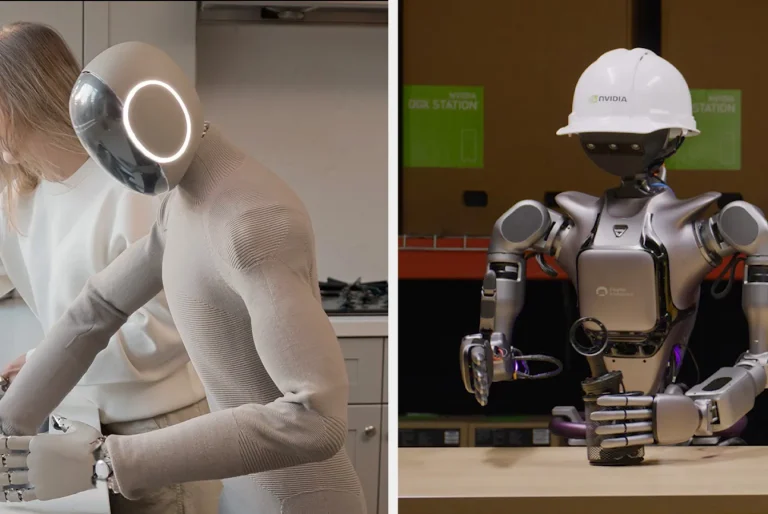
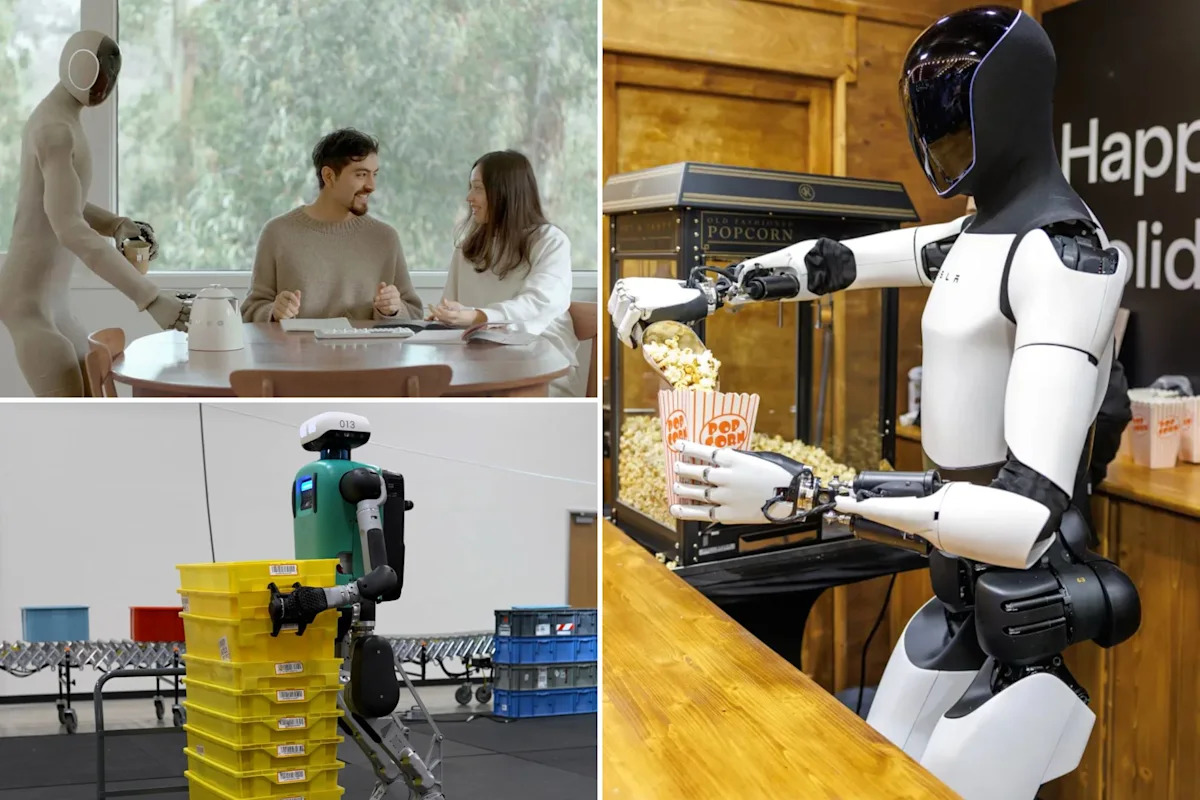
The same report presents Tesla’s Optimus as a more public facing example of household and service potential than a confirmed in home deployment. Customers at Tesla’s diner in Los Angeles were shown robot service in July, where Optimus handed out popcorn, and Tesla says the robot can walk at 5 miles per hour while carrying 45 pounds. Musk has reportedly placed the price target in the $20,000 to $30,000 range, but the evidence cited in the article remains centered on demonstrations and company videos rather than announced consumer deliveries.
Home humanoid robots face warehouse reality
If the home remains the most ambitious setting, warehouses still look like the clearer commercial starting point. Agility Robotics’ Digit v4 is described in the report as already operating in warehouses of companies including Amazon, where it is designed to move plastic bins containing products. Agility says the robot contains about 5,000 parts and, by the end of 2025, commercially deployed Digit robots will have moved roughly 140,000 bins.
That matters because Digit is presented not as a general purpose household helper, but as a humanoid built around one repetitive workflow. Agility also argues that the humanlike form reduces the need to reconfigure existing industrial spaces, since the robot can work in environments designed around human movement and reach. For operators evaluating adoption, this is the most concrete case in the article: a single defined task, an existing production site in Oregon and a measurable deployment claim.
Entertainment and service demos broaden the market
Disney’s Olaf shows a different branch of humanoid development, one focused on character embodiment rather than labor. The report says the self walking robot is about 35 inches tall, weighs 33 pounds and will begin interacting with guests at Disneyland Paris on March 29. Disney executive Kyle Laughlin said the team used reinforcement learning and simulation to develop motion, while the robot’s body materials and facial articulation were tuned to preserve the look of the film character.
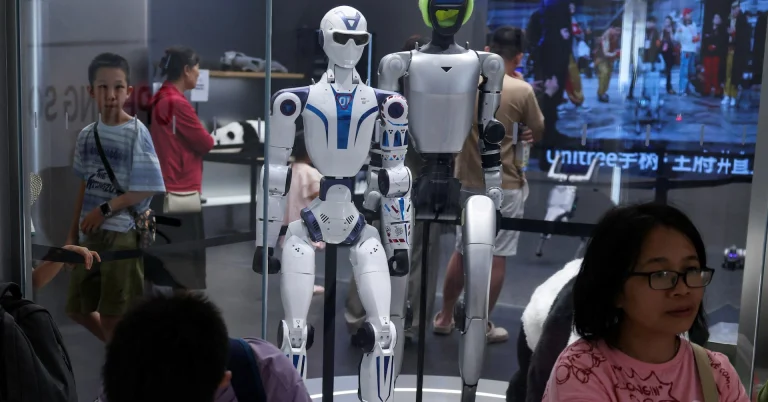
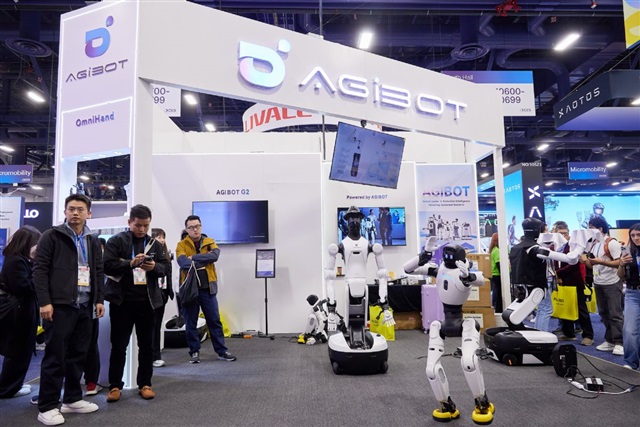
According to the New York Post report carried by AOL, the common thread across these machines is that they are meant to operate in spaces already built for people. Yet the evidence base is uneven. Digit is tied to a narrow industrial task with deployment numbers, NEO Gamma is tied to early adopter orders and a home assistance pitch, Optimus is tied to service demos and broad product claims, and Olaf is tied to guest interaction in themed entertainment.
That spread is important for the next phase of the sector. In 2026, the central question for home humanoid robots is not whether staged demos can attract attention, but whether companies can support repeatable operation, learning and maintenance in real settings. For industrial buyers, the more immediate signal is that narrowly scoped humanoid work, especially in warehouse handling, still appears to be ahead of general household autonomy.
Source: aol.com