EngineAI T800 humanoid enters mass delivery from Shenzhen base
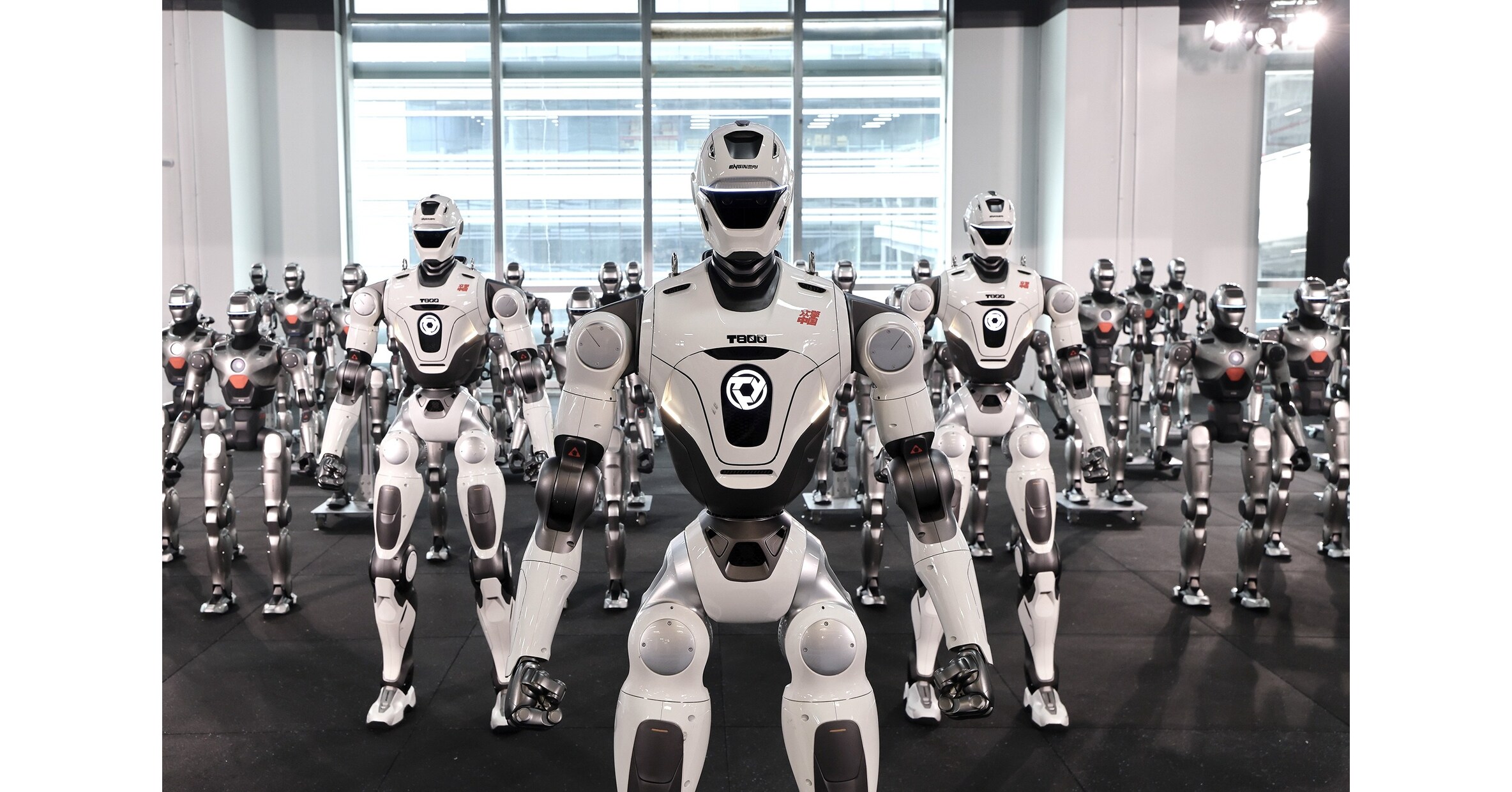
On May 29, EngineAI said the first EngineAI T800 humanoid robots had rolled off the production line at its newly opened Intelligent Manufacturing Base in Honghualing, Shenzhen, marking the start of mass delivery. The company described the launch as a shift from pilot output to industrial-scale production, with the site built to support a 10,000-unit delivery capability.
EngineAI T800 humanoid production moves to scale
The Shenzhen base spans around 12,000 square meters and is organized as a closed-loop manufacturing operation. According to PRNewswire, which published EngineAI’s announcement, the facility covers incoming material inspection, component assembly testing, final assembly, end-of-line testing, mass shipment, and after-sales maintenance. EngineAI said that layout allows a new humanoid robot to come off the line every 15 minutes.
For a humanoid robot maker, that claim matters less as a headline number than as a sign of manufacturing maturity. Moving from lab prototypes to repeatable output requires process control, test coverage, and supply chain discipline that many younger humanoid companies are still building. EngineAI founder and CEO Zhao Tongyang said the company moved from its first test machine in 2024 to small-scale production of hundreds of PM01 units in 2025, and is now aiming for a far larger delivery phase.
How the Shenzhen base is built for throughput and quality
EngineAI said its production system rests on four areas: supply chain quality control, production process design, digital manufacturing management, and final testing. The company stated that all components, from integrated joints to full assemblies, must meet internal standards before entering production. That emphasis reflects a broader challenge in humanoid robotics, where failures in actuators, transmissions, or wiring can quickly undermine field reliability.
On the factory floor, EngineAI said automated locking, gluing, and laser welding equipment has raised production efficiency by 40 percent while keeping processes standardized. The release also points to a digital management system that assigns each component and finished robot a unique production identity, allowing traceability across the manufacturing chain. For operators and enterprise buyers, that sort of traceability can become important once fleets move beyond demos and into service and maintenance cycles.
Testing remains another key part of the company’s pitch. EngineAI said each robot must pass 79 quality inspections and 46 working-condition simulation tests before delivery. The announcement does not break down those tests by subsystem or use case, but the numbers suggest the company wants to position the T800 program around repeatability and consistency rather than a single demonstration benchmark.
What the T800 rollout means for EngineAI
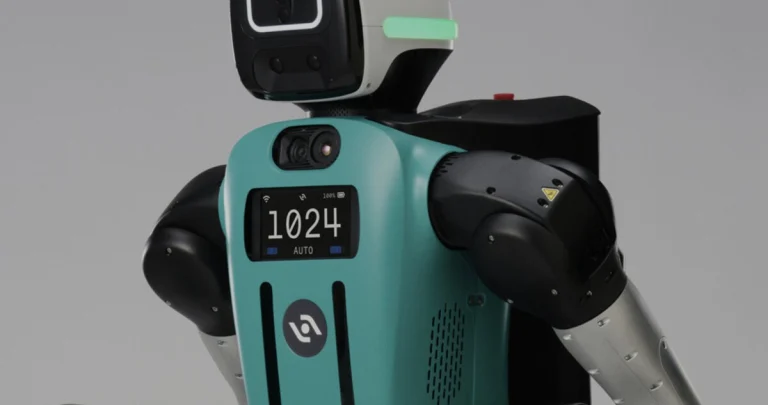
The T800 is described by EngineAI as a full-size humanoid robot intended for high-dynamic and heavy-duty operational environments. The release does not provide detailed technical specifications such as payload, runtime, speed, or customer deployment scenarios, so the commercial profile of the first delivered batch remains unclear. Even so, the company is clearly framing the T800 as its industrial product, distinct from earlier platforms such as the SA01, SE01, and PM01.
EngineAI also said its manufacturing footprint is expanding across Shenzhen, Henan, and other locations, with the goal of distributing capacity more efficiently and responding faster to market demand. Co-founder Ren Guowen said those facilities are intended to support future global growth. The company added that it is working with partners in commercial services, education, scientific research, and industrial manufacturing, though no customer names or order volumes were disclosed in this release.
Industry context for the new manufacturing base
For the humanoid sector, the Shenzhen launch is notable because it centers on production infrastructure rather than a new motion demo. Many companies have shown walking, manipulation, or balance demonstrations, but fewer have detailed how they intend to manufacture, test, ship, and maintain robots at volume. EngineAI’s announcement suggests that factory engineering and after-sales support are becoming part of the competitive story as companies push toward actual deployments.
The next question is whether stated production capacity translates into sustained customer demand and reliable field performance. This announcement shows that EngineAI is investing in the systems needed for higher-volume humanoid delivery, but the market will be watching for evidence of named deployments, application fit, and operating results once the T800 moves beyond the line and into real environments.
Source: prnewswire.com