
AI Sapiens K1
8 000 USD

Robotis
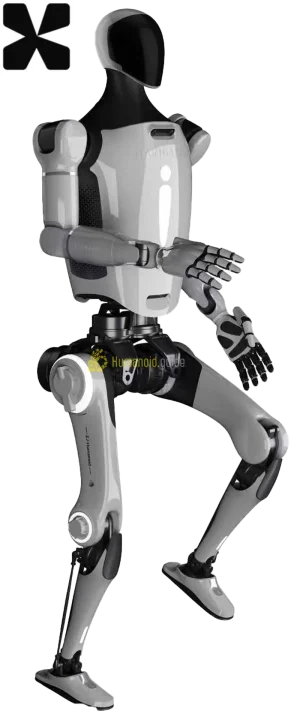
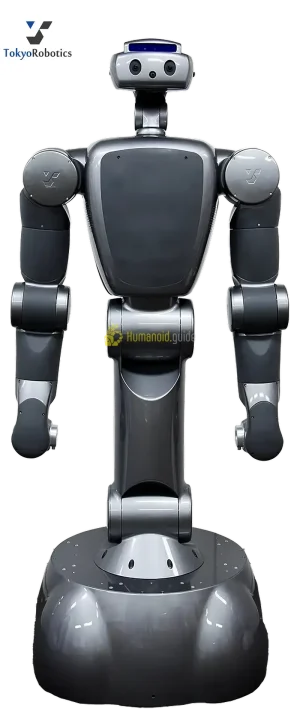
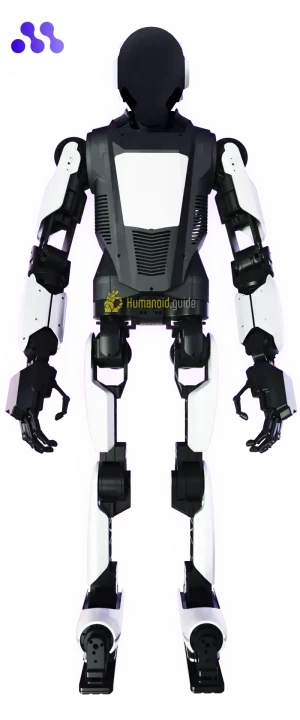
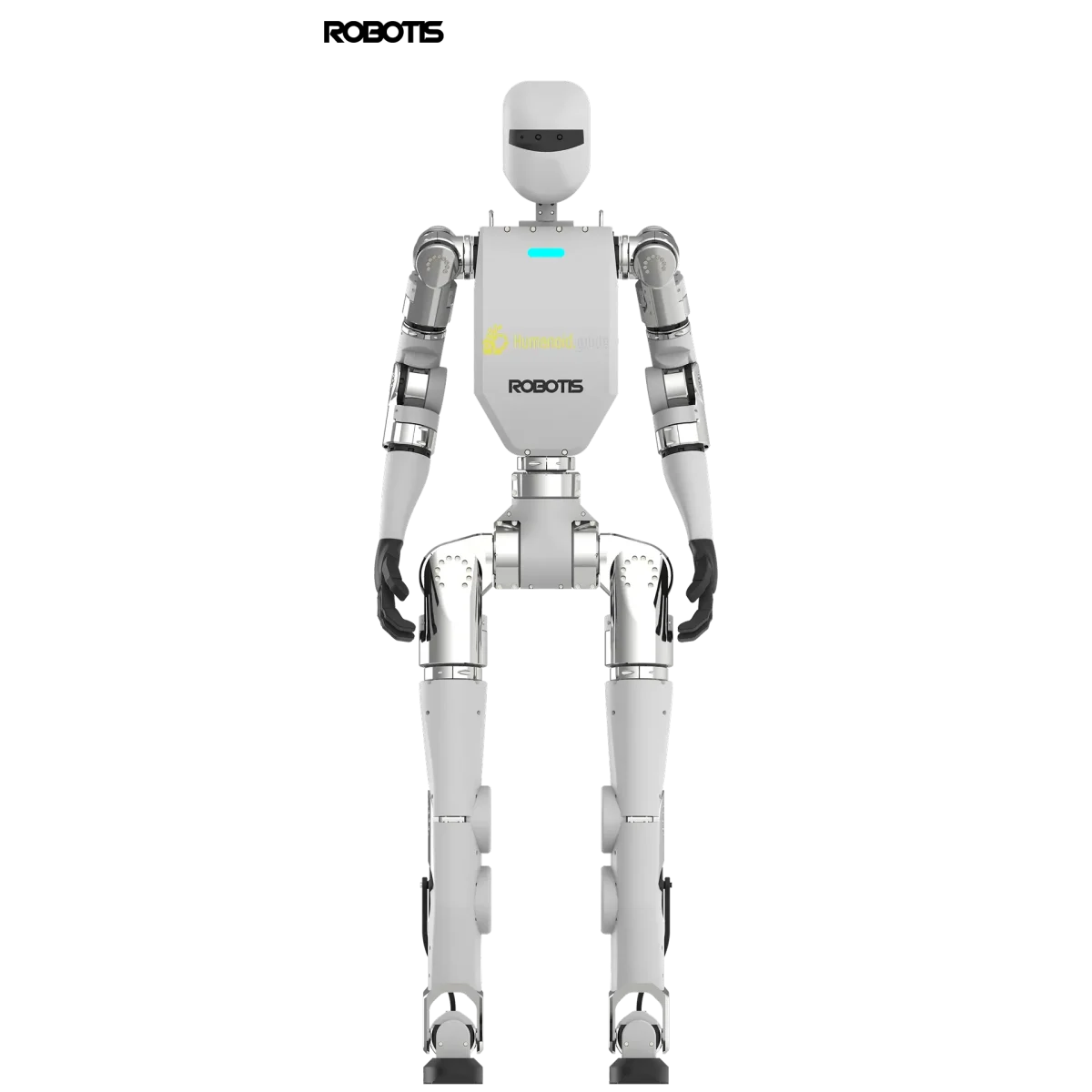
AI Sapiens K1 is ROBOTIS’s fully open-source humanoid platform for physical AI research. It stands 1.36 m tall, weighs 35 kg, and runs 23 joints on DYNAMIXEL-Q actuators — built so policies trained in simulation transfer to real hardware.
Skill Score
 2
2

Specifications and details:
| Availability | In production |
|---|---|
| Nationality | South Korea |
| Website | https://www.robotis.us/ |
| Degrees of freedom, overall | 23 |
| Degrees of freedom, hands | 10 |
| Height [cm] | 135.5 |
| Max speed (km/h) | 4.3 |
| Strength [kg] | 4 |
| Weight [kg] | 35 |
| Runtime pr charge (hours) | 2 |
| Safe with humans | Yes |
| CPU/GPU | NVIDIA Jetson Orin NX 16GB — 8-core Arm Cortex-A78AE, 1024-core Ampere GPU, 32 Tensor Cores, 157 TOPS, 256 GB SSD |
| Ingress protection | N/A |
| Camera resolution | N/A |
| Connectivity | 2.5 GbE ×1, Bluetooth, USB-A 3.2 Gen 2 ×3, Wi-Fi |
| Operating system | Cyclo OS (Yocto-based) · ROS 2 Jazzy |
| LLM integration | Not native — open ROS 2 stack permits it |
| Latency glass to action | N/A |
| Motor tech | DYNAMIXEL-Q QDD, low-inertia inner-rotor PMSM, 48 V |
| Gear tech | 20:1 single-stage quasi-direct drive, 10 arcmin backlash |
| Main structural material | Aluminium alloy frame with polymer covers |
| Number of fingers | 5 per hand |
| Main market | education, Research, robotics development |
| Manufacturer | Robotis |
Description
ROBOTIS built the AI Sapiens K1 as a humanoid platform for physical AI research. The robot stands 1.36 metres tall and weighs 35 kg. Its 23 joints cover the arms, legs, and waist. Rather than shipping a finished consumer product, ROBOTIS treats K1 as a development platform. As a result, researchers can study how the machine works and change any layer of it.
The open-source commitment sets K1 apart from most humanoids on the market. ROBOTIS plans to publish the mechanical design, electrical resources, robot software, simulation assets, and training workflows. Users therefore get the same materials the company relies on internally. Moreover, the platform invites modification. Printable covers and a full hardware bill of materials are on the way.
New! 2026 Humanoid
Robot Market Report
198 pages of exclusive insight from global robotics experts — uncover funding trends, technology challenges, leading manufacturers, supply chain shifts, and surveys and forecasts on future humanoid applications.

now Google DeepMind
K1 exists to close the gap between simulation and reality. Teams train locomotion policies in NVIDIA Isaac Sim, then deploy them on the real robot. The platform also supports imitation learning. A leader-follower system records human motion, and that data becomes robot behaviour. Consequently, users move from demonstration to working skill with fewer manual steps.
ROBOTIS aims K1 at universities, labs, and product teams. The company prices it well below most research humanoids, which widens who can afford one. Its DYNAMIXEL-Q actuators come from the servo line ROBOTIS has refined for decades. Because those actuators handle compliant control, the robot copes with real contact instead of idealised physics. K1 will not clean a warehouse. Instead, it teaches machines how to move.
Download the Humanoid Robot Market Report here
Website: docs.robotis.com
I’m Olivia, Humanoid Analyst at Humanoid.Guide
My mission, together with the team, is to help your organization understand the landscape, compare solutions, and move toward successful robot deployments.