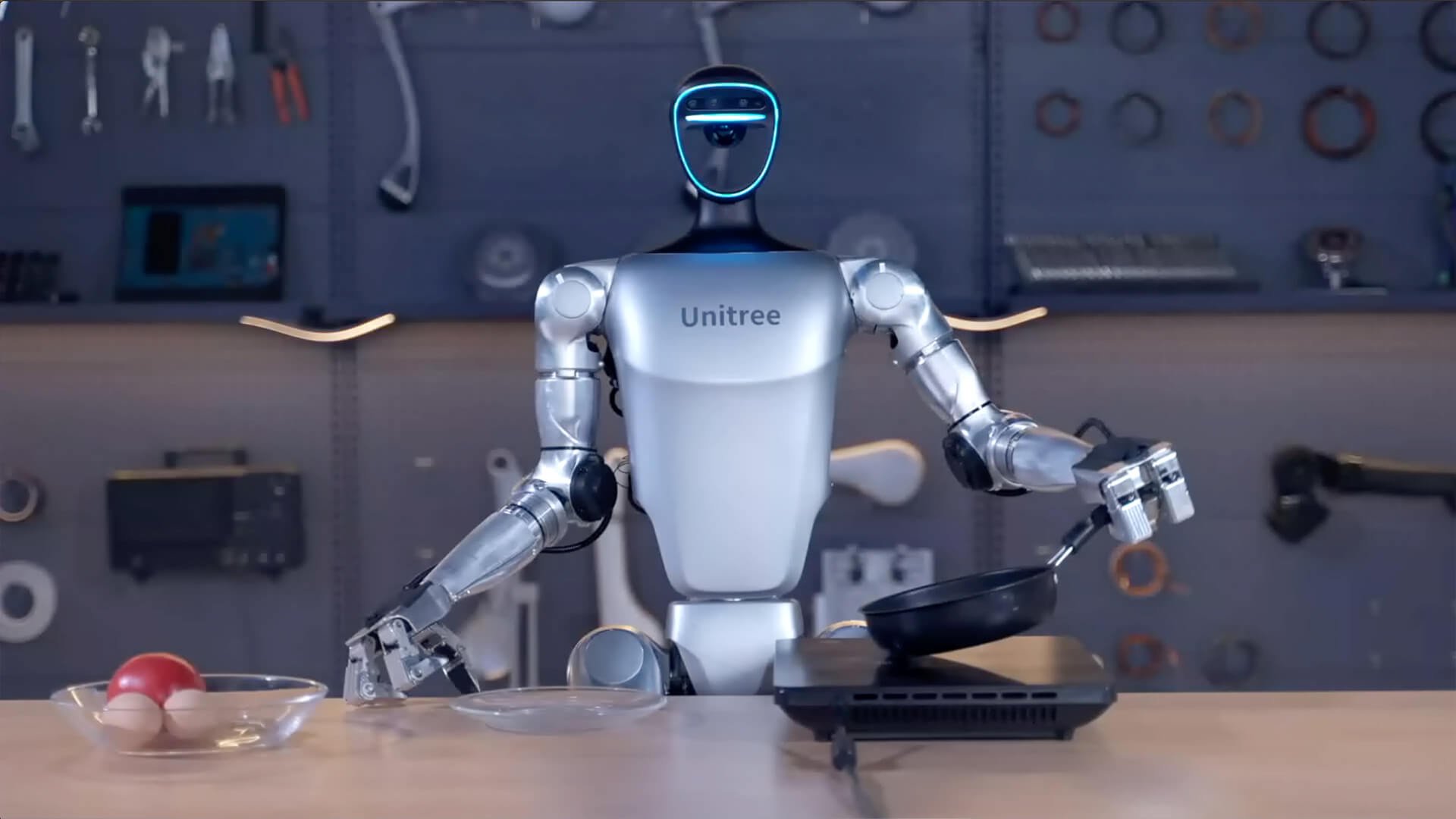
US humanoid robot ban lands as Unitree lines up IPO
The FCC has prohibited new imports of foreign built humanoid robots under a national security action that also covers quadruped robots and power inverters, according to TechHQ. FCC chairman Brendan Carr said the action would “secure America’s critical supply chains,” while models already authorised for sale or import in the US remain exempt.
The rule follows a determination from a White House convened interagency body warning that internet connected robots could collect data for surveillance, improve foreign intelligence capabilities, or be remotely commandeered. The FCC fact sheet did not name China, but TechHQ notes that the action follows earlier restrictions on Chinese linked drones and consumer routers. The Associated Press reported that China holds an estimated 85% share of the robot categories covered.
Small US market, large future signal
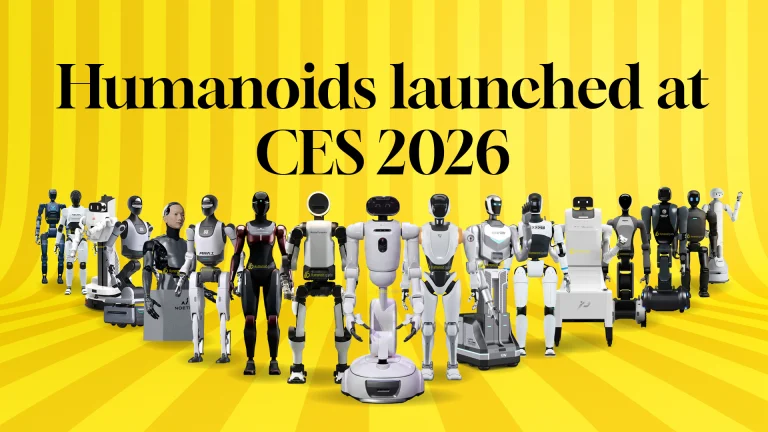
The immediate commercial effect on humanoids may be limited. Omdia estimates about 15,000 humanoid robots shipped worldwide in 2025, with Unitree and AgiBot each shipping more than 5,000 units. Tesla and Figure AI each shipped a few hundred at most, according to the same TechHQ report.
This is why the ban reads less like a response to current import volumes than a move to shape the market before it forms. Morgan Stanley analysts forecast China’s humanoid market could reach $15 billion by 2030. Morningstar analyst Kangyuxiao Li noted in the report that Chinese manufacturers have scaled production and reduced costs faster than many overseas rivals, so exclusion from the US removes a future market and limits price competition for American developers. Li also said the action is unlikely to slow China’s broader humanoid development, given domestic demand and other export markets.
IPO timing puts Unitree in the center
The sharper angle is the calendar. Counterpoint Research principal analyst Soumen Mandal observed that the timing was unlikely to be accidental because several Chinese humanoid makers are preparing public listings this year, TechHQ reported.
Unitree received registration approval from the China Securities Regulatory Commission in early July, described in the article as the fastest sign off in STAR Market history. The company is finalising pricing for a listing intended to raise 4.2 billion yuan (about $618 million). A debut had been reported as possible before the end of July, which would make Unitree the first humanoid robot developer on China’s A-share market.
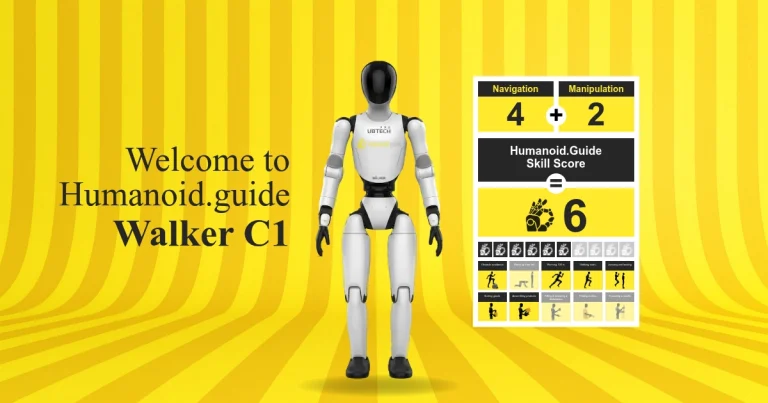
Other Chinese humanoid companies are also moving toward public markets. UBTech listed in Hong Kong in 2023, AgiBot is reportedly planning a Hong Kong listing next year at a valuation of up to $6.4 billion, and IPO applications from Leju Robotics and DEEP Robotics have been accepted in Shenzhen and Shanghai, respectively.
Unitree’s US position is especially mixed. Nvidia named Unitree’s H2 Plus as the hardware foundation for its open GR00T reference humanoid platform in June. In the same month, the US government flagged Unitree as a potential security risk with alleged military ties and barred it from Department of Defence contracts, according to TechHQ.
Buyers face a narrow but firm line
For US enterprise buyers, the near term rule is fairly clear in the TechHQ account: robots already deployed can remain, already authorised models are exempt, and conditional approvals may still be possible if a manufacturer can show its equipment poses no unacceptable risk. New orders of Chinese made humanoids for US operations now face a regulatory stop, even though the present market is still small.
The inverter portion of the decision sits outside humanoid robotics, but it helps explain why the announcement is bigger than a niche robot trade case. TechHQ argues that power hardware could carry the larger cost because renewable energy and data centre build outs rely heavily on Chinese equipment. For humanoid developers, the more direct consequence is market separation: US companies such as Tesla, Figure AI and Boston Dynamics get a protected home market, while Chinese developers retain domestic scale and continue to court public investors.
Whether the ban hurts those offerings is unproven. TechHQ points to Chinese memory maker CXMT, which surged 466% on its Shanghai debut on Monday even as US lawmakers debated a ban, as an example of mainland investors treating American restrictions differently from Wall Street. The next visible test is Unitree’s pricing and debut, if the reported timetable holds.
Source: techhq.com