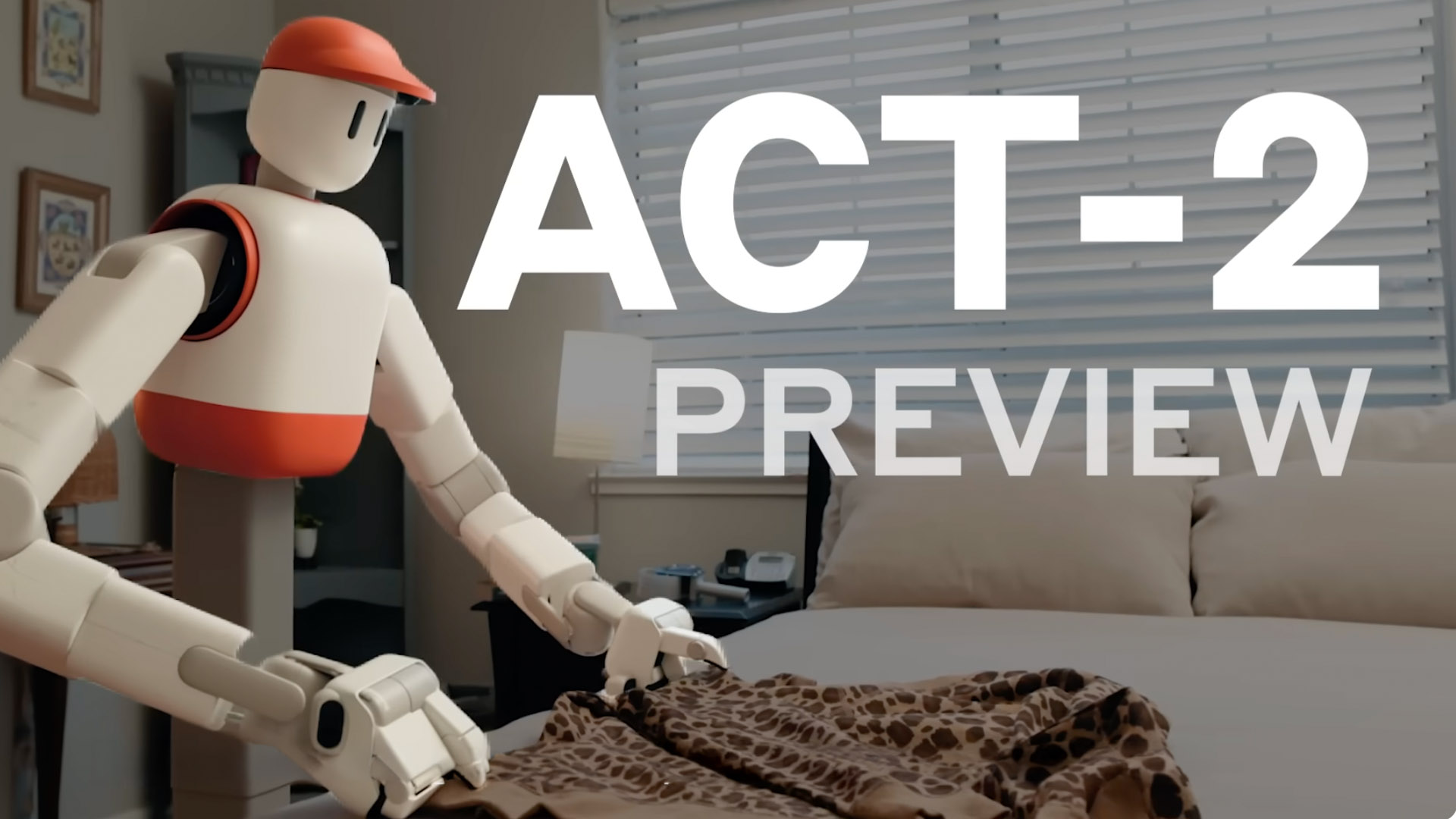
Sunday declares laundry “solved”: ACT-2 folds with 99% success in homes Memo has never seen
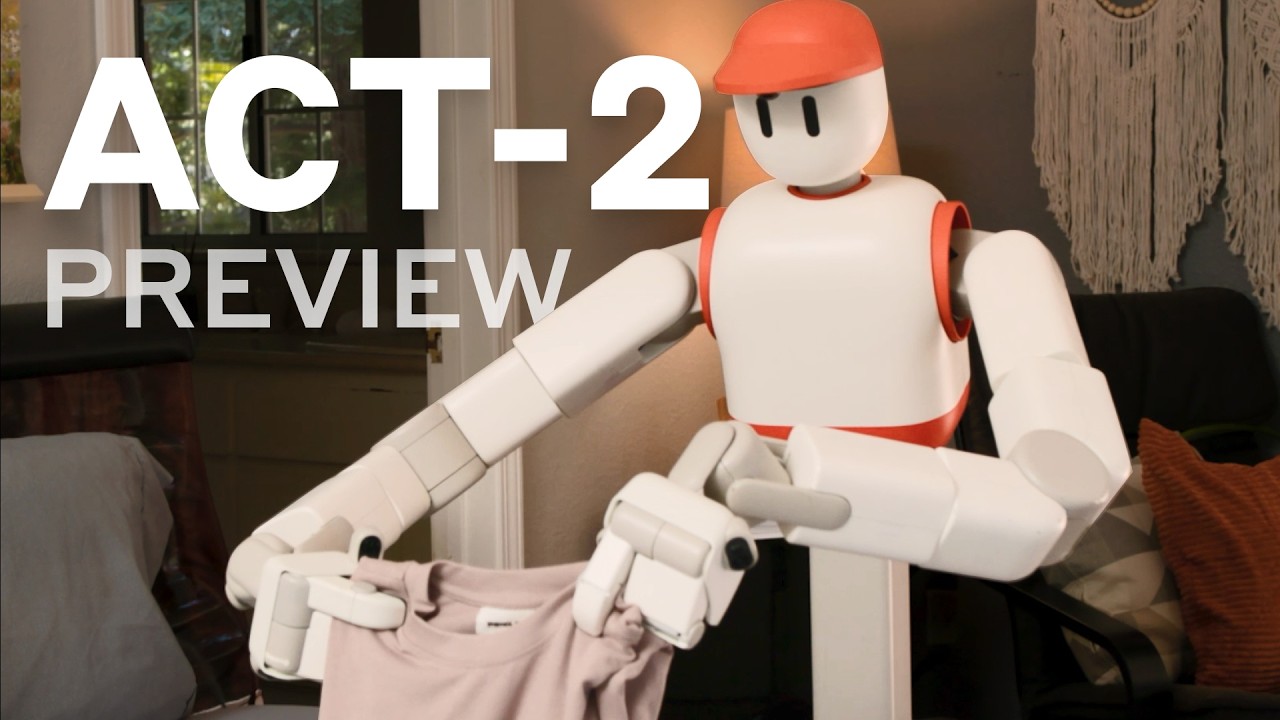
Sunday Robotics is done with demos. With ACT-2, the maker of the Memo home robot says laundry folding has gone from “can do it once” to “does it reliably in homes it has never seen” — and this time, the company brought numbers.
From demo to “solve”
On July 17, Sunday published a preview of ACT-2, the successor to the ACT-1 foundation model it introduced alongside Memo in November 2025. The pitch is a new standard the company calls a “solve”: where a demo asks whether a robot can do something once, a solve asks whether it can do it reliably while the world changes around it — within a declared scope, at a stated adaptation cost.
For the first solve, Sunday picked laundry. According to the company, Memo folded clothes fully autonomously in evaluation homes it had never seen — zero-shot, with the same model checkpoint across every home, and no additional data collection or fine-tuning.
in unseen homes (±0.3)
across 9 garment types
per fold
Sunday also had humans rate the results: a mean fold quality of 4.72 out of 5 stars, with 98.3 percent of folds rated four stars or better. All figures are the company’s own evaluation.
Everything they threw at it
The interesting part of the announcement is less the headline number than the stress test behind it. Sunday says it deliberately made life difficult for Memo:
- Inside-out pants and garments starting in piles, in baskets, or on the floor.
- Bright daylight and blackout curtains — the same task across lighting extremes.
- Disturbances mid-fold, including clothes knocked to the ground — Memo picked them up and kept going.
- 8XL shirts and tiny baby clothes at opposite ends of the workspace envelope.
- A curious child who wandered in to play with Legos next to the robot.
“Zero shot. 99% success rates. Fully autonomous in unseen homes for the first time in history.”
Sunday’s own framing — evaluated and reported by the company itselfThe recipe
Sunday’s stated recipe for a solve has two components. First, large-scale pre-training on diverse, high-quality human manipulation data — collected not by teleoperating robots but through the company’s roughly $200 Skill Capture Gloves, which it has shipped to more than 2,000 paid “Memory Developers” working across some 500 homes. Second, rapid post-training iteration: the pre-trained model “hill climbs” on curated lab data until it reaches 99 percent in-house — and those gains, the company claims, transfer to homes it has never seen.
The bolder claim sits underneath: Sunday says a single fine-tuning example can teach the pre-trained model a new behavior that generalizes to unseen environments — in its words, “any skill that is mastered in our lab can be transferred to your home.” Laundry, the company says, is “the first solve of many.”
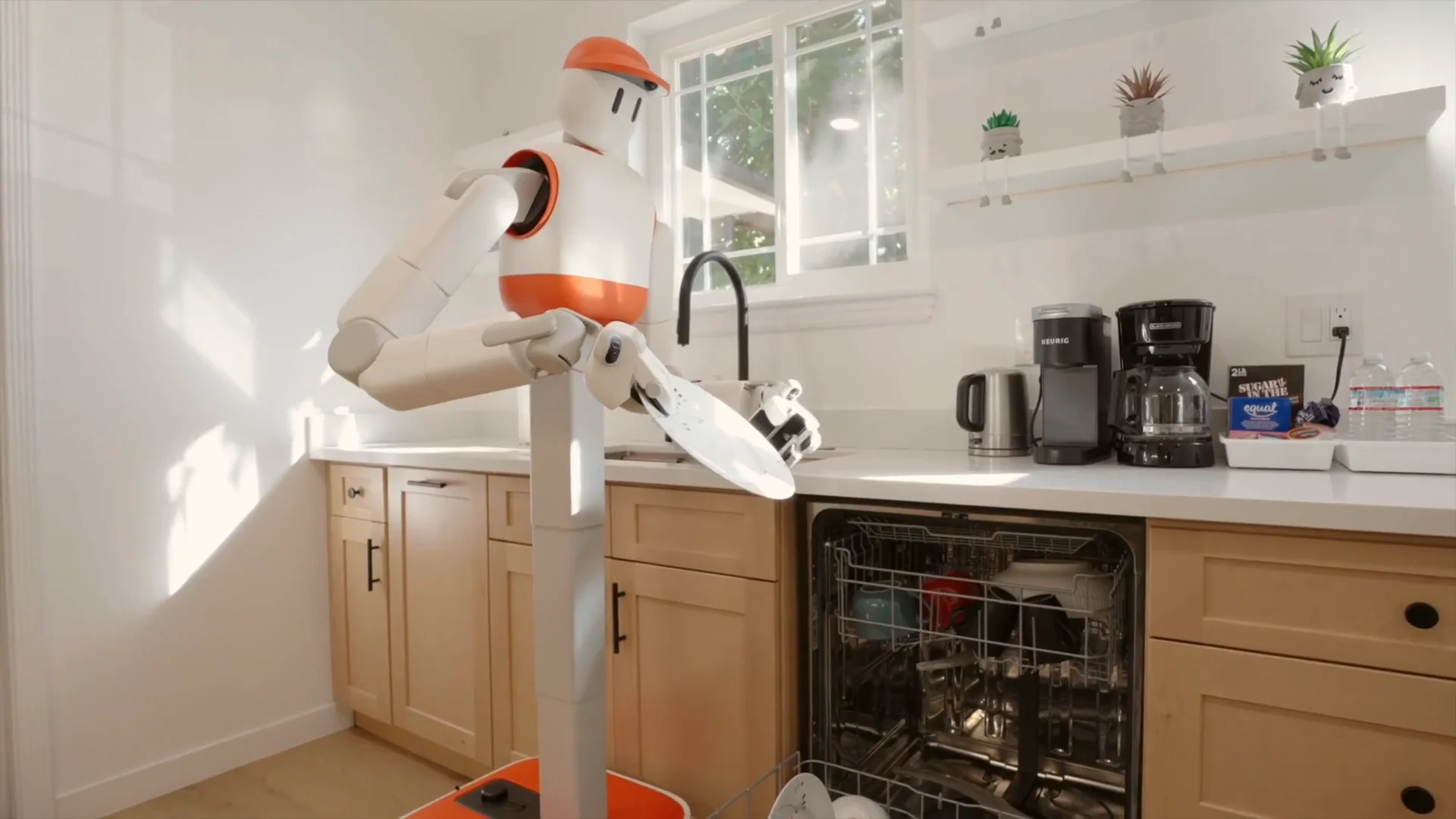
The company behind Memo
Sunday came out of stealth in November 2025, founded by Stanford robotics researchers Tony Zhao and Cheng Chi — names behind some of the most-cited imitation-learning work of the past few years (the “ACT” in ACT-2 traces back to Zhao’s action-chunking research). The company has since reportedly raised a $165 million Series B at a $1.15 billion valuation. Memo is headed for an invite-only “Founding Families” beta in late 2026; today’s hand-built units cost the company around $20,000 each, with retail pricing still open.
Our take
The standard. Defining a “solve” — declared scope, stated adaptation cost, published error bars — is exactly the shift from demo culture to measured reliability we argue for in our Humanoid Foundation Models report. 778 evaluated episodes with confidence intervals is more disclosure than almost anyone in this industry offers. ACT-2 goes straight onto our Brain Score watchlist.
The honesty test. Every number here was measured by Sunday, in evaluation homes Sunday selected, on one task family Sunday chose. That is still self-graded homework — a standard only becomes a standard when someone outside the company can replicate it. Contrast this week’s LimX one-take demo: one continuous take proves possibility, a success rate claims reliability — but both, for now, are the companies’ own word.
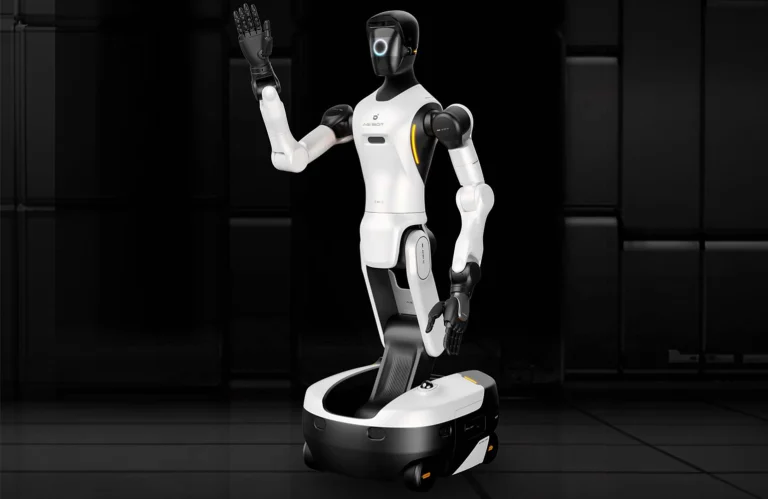
The form factor. While the industry pours billions into legs, a wheeled robot with a telescoping spine and $200 data-collection gloves is the one publishing 99 percent on a real chore in real homes. If reliability like this transfers to the next solves, the home-robot race we map in the 2026 Humanoid Robot Market Report stops being a humanoids-only story.
Sources: Sunday Robotics’ ACT-2 Preview announcement and video; company background via Humanoids Daily and MLQ News. Capability claims and evaluation figures are the company’s own.