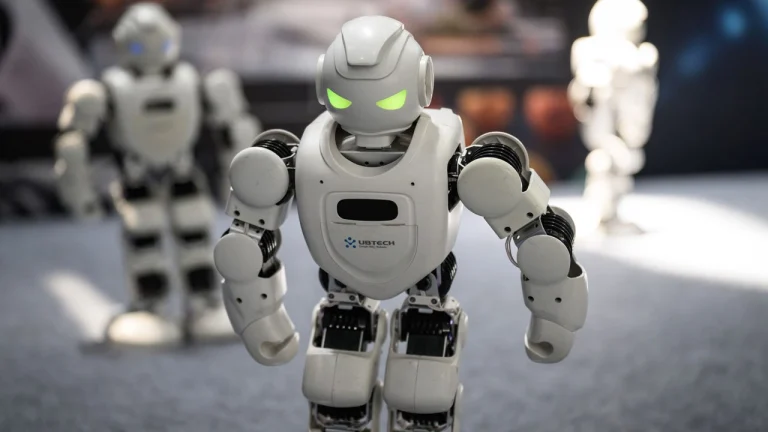
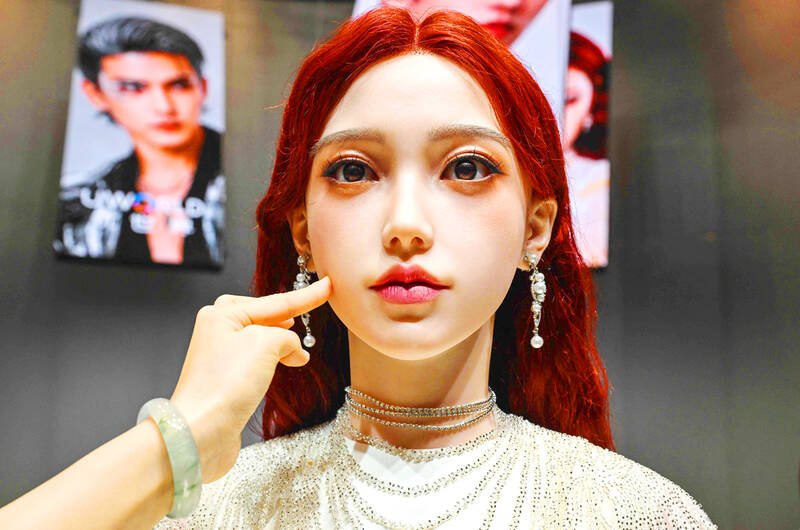
UBTech prices U1 humanoid companion from about $17,600
UBTech has launched the U1 humanoid companion robot in Shenzhen, pricing the full size android from 119,800 yuan (about $17,600) to 990,000 yuan (about $145,700), according to a Taipei Times report from AFP.
The company says the U1, sold under its UWorld brand, is equipped with eye cameras, chest sensors and microphones, and is intended primarily for companionship rather than domestic labor. UBTech claims it is the world’s first full size, ultra realistic humanoid designed for mass production. That claim is company stated and should be treated as such, particularly in a category where definitions of mass production remain loose.
The basic model can move its head, eyes and mouth, and has battery life of up to four hours. It does not cook, clean or perform household chores, and UBTech said it is not designed for intimate relations, at least for now. Deliveries are due to begin in September, with the company saying it has received more than 13,300 preorders.
A companion robot, not a general purpose worker
The U1 humanoid companion is being marketed to single people and people older than 60, groups that UWorld head Michael Tam described as large addressable markets in China. Tam put those populations at about 120 million and 320 million respectively, and said they have strong demand for companionship.
UBTech’s pitch is built around conversation, memory and presence. The U1 can speak through an AI tool programmed by the company, respond with soothing language if it detects fatigue or stress, and get to know its user over time. The robot can also remind users to take medication, discuss daily concerns, help spot potential health problems and suggest shared activities, such as watching a World Cup match.
Customization is part of the commercial offer. Higher priced versions can have hair, faces and outfits tailored to resemble a loved one, a celebrity or an imagined character, according to the report. That makes the product technically interesting, but also puts it close to the emotional attachment and privacy issues already familiar from chatbot companions.
China’s humanoid market is crowded, but use cases remain narrow
The launch lands in a Chinese humanoid sector that is expanding quickly, helped by domestic supply chains and government support for robotics. Barclays was cited as saying China accounted for 85 percent of the world’s humanoid installations last year. The Chinese government has said that by last year more than 140 Chinese companies had launched more than 330 humanoid robot models.
Those figures describe a very active market, not necessarily mature deployment. The same report notes that real life use cases for robots relying on AI for movement remain limited, and that many impressive demonstrations are still preprogrammed or remotely operated.
For the U1, the most immediate technical test is less about bipedal autonomy than about whether a human scale companion can be accepted in private spaces. Lian Jye Su, chief analyst at Omdia in Singapore, told AFP that companion robots could have value in niche markets such as elder care or mental wellness, but said they must pass the uncanny valley test to be physically and emotionally acceptable.
UBTech says data processed by U1 robots is encrypted and will not be used to train its AI models. For a robot using cameras, microphones and personal interaction as core features, that assurance will need to be backed by clear operating practices if the product moves beyond novelty buyers and into care related settings.
Source: taipeitimes.com