BMW expands humanoid robot deployment in Leipzig EV production
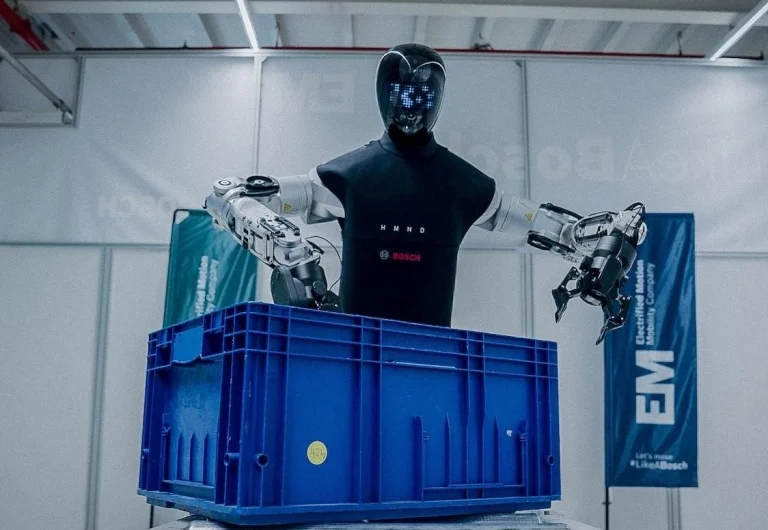
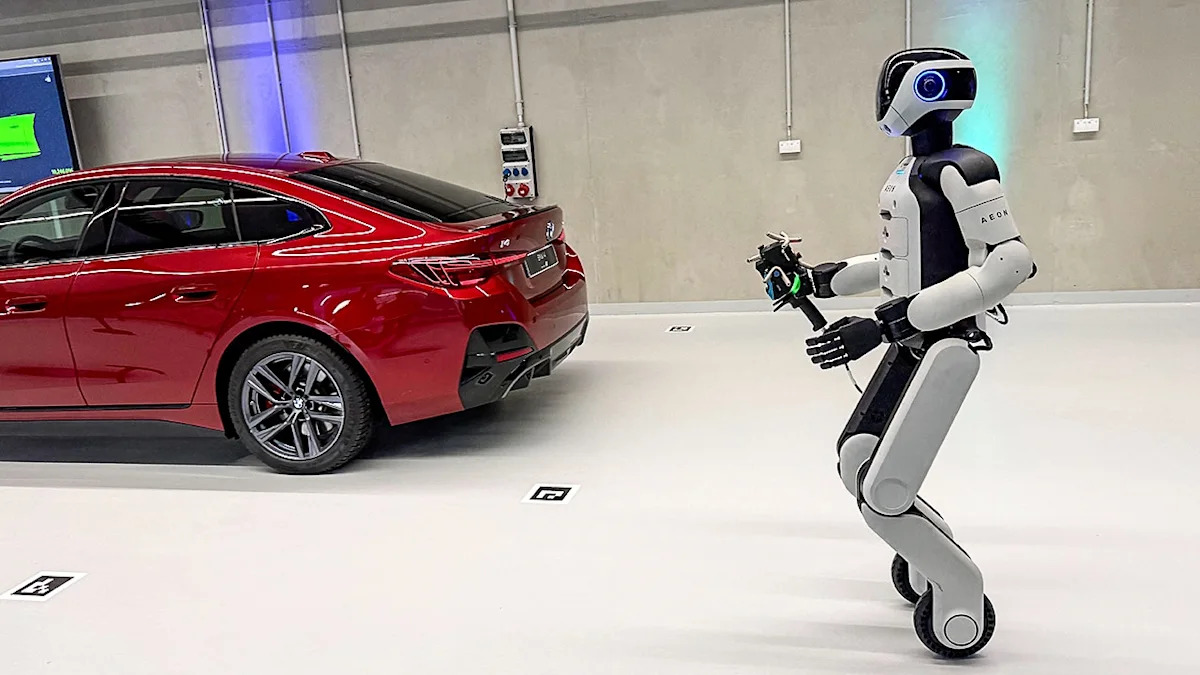
BMW has expanded its humanoid robot deployment into its Leipzig, Germany, factory, where Hexagon Robotics’ AEON humanoids are being tested inside live EV production after an earlier pilot in Spartanburg, South Carolina. The move extends BMW’s use of human-shaped systems from a single-task trial toward a broader evaluation in an operating automotive plant.
Humanoid robot deployment reaches Leipzig
According to Fox News, BMW is bringing its humanoid robot work into Leipzig through its iFACTORY initiative, with electric vehicle production already a major focus at the site. The company is testing the robots in real production conditions rather than in a lab or staged demonstration area, an important distinction for manufacturers assessing whether humanoids can handle variability on the factory floor.
BMW has framed the program as a practical test rather than an immediate labor substitution plan. Michael Nikolaides, who oversees BMW’s production network, said the pilots help the company refine how AI-powered robots learn on the job, adding that, “Digitalization improves the competitiveness of our production, here in Europe and worldwide. The symbiosis of engineering expertise and artificial intelligence opens up entirely new possibilities in production.”
From Figure 02 pilot to AEON testing
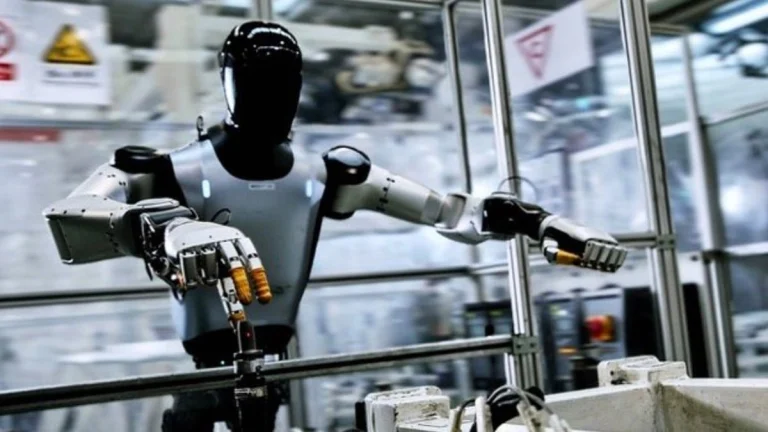
BMW’s earlier pilot in Spartanburg used Figure 02 humanoid robots for a specific manufacturing task, the precise positioning of sheet metal for welding on the BMW X3 production line. BMW said those robots contributed to building more than 30,000 vehicles, a result the company appears to view as strong enough to justify moving beyond one plant and one narrowly defined job.
The Leipzig trial introduces a different platform. The new robots, called AEON, come from Hexagon Robotics and are described as being able to work inside active factory environments without constant human direction. The source says they rely on AI-based motion control and built-in sensors to interpret their surroundings in real time, allowing them to adjust when conditions change instead of stopping for a fixed reprogramming cycle. Hexagon refers to that approach as “Physical AI.”
Why factory integration matters
The industrial appeal of humanoids in this setting is straightforward. Automotive plants are already designed around human workers, human-scale tools, and layouts built for people to move through stations, reach parts, and handle equipment. A humanoid system that can operate in that same environment may be easier to insert into existing workflows than a machine that requires the line to be redesigned around it.
That point is especially relevant in factories, where conditions are less predictable than they appear in promotional videos. Parts do not always arrive in the same orientation, tools get moved, and workers are constantly in motion. The source argues that AI-powered humanoids can respond to that variability better than traditional robots that depend on tightly controlled conditions, though BMW has not disclosed detailed performance metrics from the Leipzig deployment beyond the broader rationale for the test.
What this signals for industrial humanoids
BMW is not the only company evaluating humanoids, but the Leipzig project stands out because it follows a prior production pilot that the automaker says supported substantial vehicle output. That makes the story relevant beyond one factory, since it suggests at least some manufacturers now see humanoids as candidates for real production work rather than only research exercises or publicity demonstrations.
The next phase to watch is whether BMW broadens the range of tasks beyond material positioning and related production support, and whether it shares more detail on reliability, supervision requirements, and plant integration. For the humanoid robotics sector, the key point is not that factory adoption is settled, but that major manufacturers are now testing these systems where production constraints, not demo conditions, determine whether they stay on the floor.
Source: aol.com