China humanoid robots prepare to enter workforce, CNBC reports
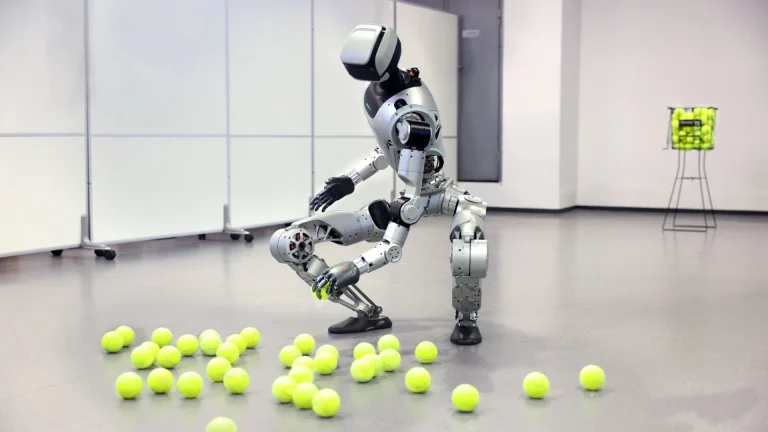
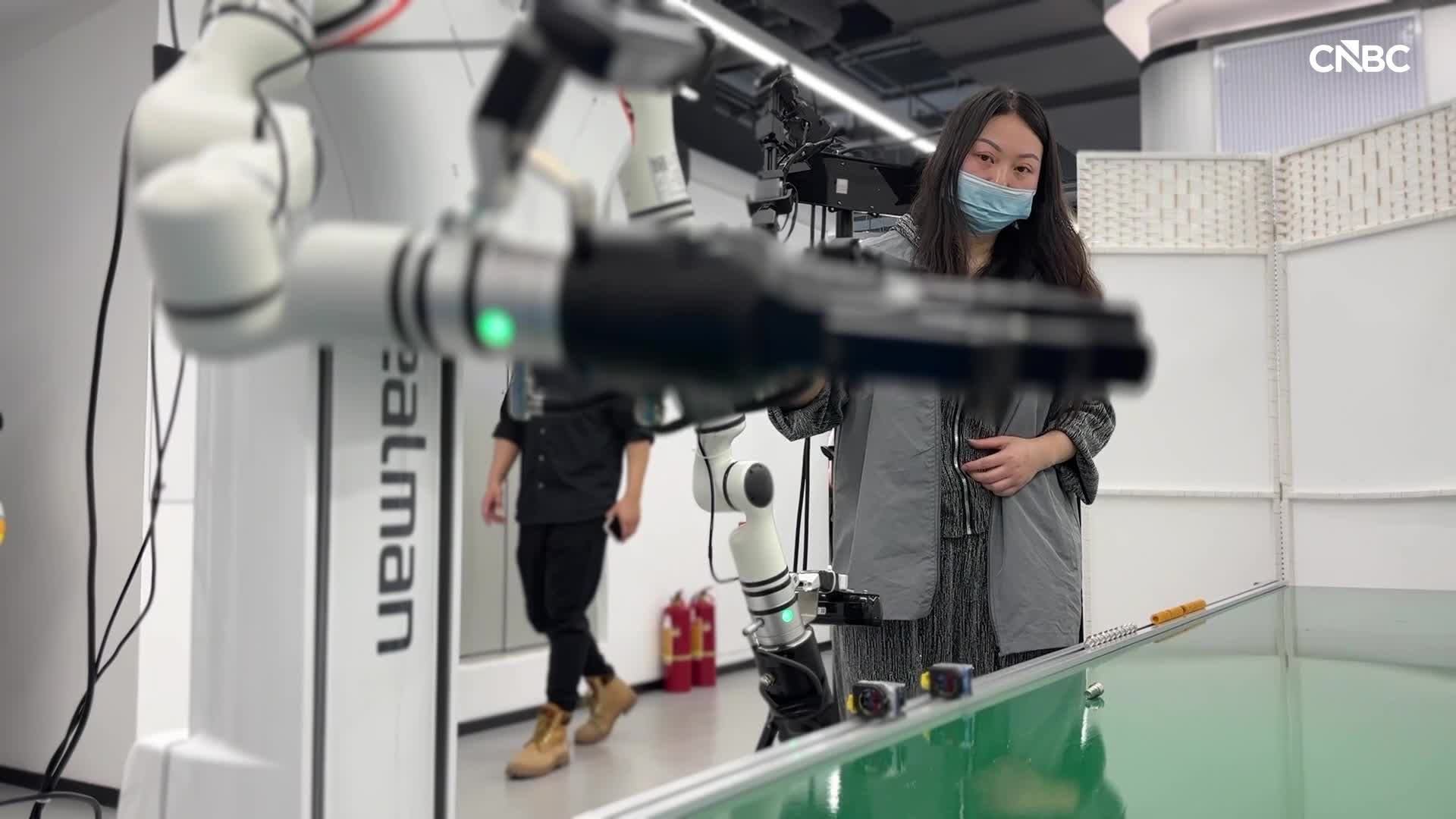
China humanoid robots are being prepared for employment rather than entertainment, according to a CNBC video report published May 17. In the 2 minute segment, CNBC’s Eunice Yoon examines how China is using humanoid robots to move beyond showpiece appearances and toward entry into the workforce. That shift matters because it places practical job performance, not novelty, at the center of the discussion.
China humanoid robots move toward work
The source material is brief, but its core message is clear. CNBC frames the current moment as a transition from entertainment uses to employment, suggesting that Chinese developers and institutions want humanoid systems evaluated by whether they can contribute in real settings. For the humanoid sector, that is a more demanding standard than stage demonstrations or public exhibitions.
A workforce focus changes what counts as progress. Once a robot is discussed as a worker, questions about repeatability, supervision, reliability, and process integration become more important than appearance alone. Even without naming specific manufacturers or job sites, the report points to a broader commercial objective, turning humanoid platforms into useful labor systems rather than attention getting machines.
What the CNBC report confirms
What CNBC confirms is directional rather than exhaustive. The report carries the headline China’s humanoid robots gear up for work and states that China is using humanoid robots to advance beyond entertainment to employment. It also identifies the item as part of CNBC’s Digital Original video coverage, with Eunice Yoon reporting.
What the source does not provide is equally important for industry readers. The scraped text does not identify the robots’ builders, the tasks being targeted, the level of autonomy involved, or the scale of any pilots. It also does not include performance data, safety procedures, or commercial terms, so the story should be read as evidence of intent and momentum rather than proof of large scale deployment. Those omissions matter because they determine whether a humanoid can move from a pilot narrative to a repeatable product.
Why workforce deployment is the real test
For operators and technical decision makers, employment is the threshold where humanoid robotics becomes measurable. A robot intended for work must fit into an existing process, tolerate variability, and deliver output at a cost and pace that can be compared with alternatives. In industrial settings, even small gaps in uptime or task completion can erase the appeal of a flexible form factor. That is why the language in CNBC’s report is notable, it shifts attention from spectacle to operations.
China has become a major arena for humanoid development, and coverage increasingly reflects pressure to show practical value. In that context, moving from entertainment to employment is not simply a branding change. It implies that future reporting will need to address where these robots work, what tasks they perform, how much oversight they need, and whether they can sustain performance over time. That is especially true in a category where polished demos often arrive before verified production use.
According to CNBC, that transition is now part of the story around China humanoid robots. The next meaningful milestone will be more specific evidence, named deployments, task level results, and clearer indications of how these systems fit into real operations. Until then, the report is best understood as a signal that commercialization, not exhibition, is becoming the benchmark by which humanoid progress in China will be judged.
Source: cnbc.com