Hubei Innovation Center launches humanoid robot ID numbers pilot
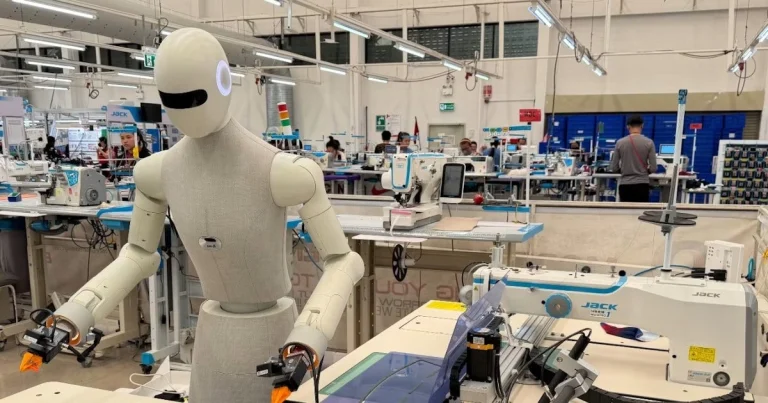
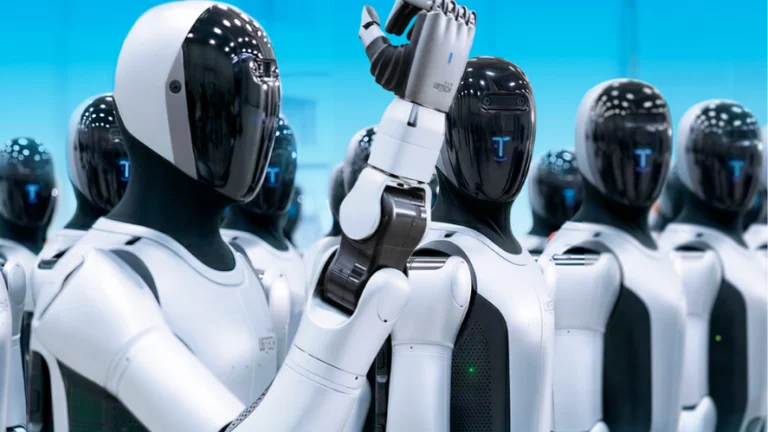
Some humanoid robots in Hubei province are set to receive humanoid robot ID numbers, a coding system intended to let manufacturers, operators and regulators trace each machine across its full life cycle. The effort is being led by the Hubei Humanoid Robot Innovation Center in Wuhan and, according to China Daily, official numbering will begin after relevant national standards are released.
How humanoid robot ID numbers would work
The identifier is designed as a 29 character code made up of numerals and English letters. It is meant to encode a robot’s brand nationality, company, product model and serial number, while also covering manufacturer details, hardware parameters, intelligence level and factory filing records.
The system is framed as more than a registration label. China Daily reports that the digital identity card would support full life cycle tracking of maintenance records and application scenarios, and could also provide access to real time data such as joint wear and tear, battery status and operational accuracy through a management platform.
Traceability and operations
Liu Chuanhou, chief operating officer of the Hubei Humanoid Robot Innovation Center, said the practical aim is to make field service and accountability easier once robots are deployed. If a robot breaks down, operators could review operational logs and maintenance records tied to its unique code to locate the fault, determine liability and carry out repairs more efficiently.
Liu also said the system could make robot reuse more efficient. A new user would be able to verify a machine’s performance and service history through its ID, reducing the need for repeated testing before redeployment.
Hubei pilot draws in local humanoid makers
As of Monday, the center had completed filing applications and coding tests for the first batch of enterprises and products with the Ministry of Industry and Information Technology. Official numbering is expected to start once the relevant national standards are in place.
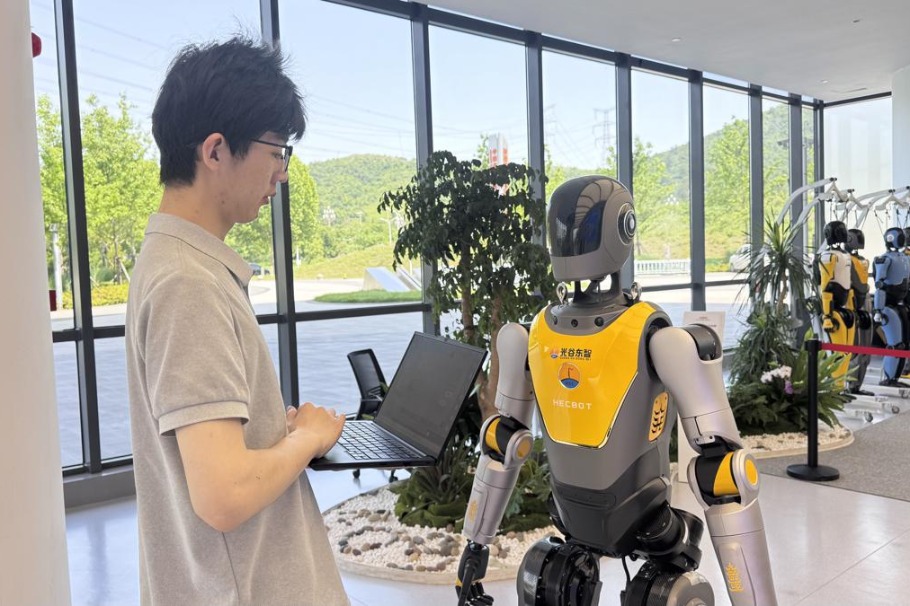
The companies named in the report span Hubei’s humanoid supply chain, including Optics Valley Dongzhi, Glroad, Hubei Qirobotics, Jingchu Humanoid Robot, HandX, Guanggu Haribit and Maxnova. That list suggests the project is being positioned as a province wide standardization effort rather than a single vendor program.
Maxnova said several of its flagship humanoid robots have already completed unified coding and filing. Business director Liu Jieni told China Daily that the robots are mainly used in industrial manufacturing, commercial services and demonstration training, and said the initiative could help close compliance gaps, reduce operation and maintenance costs, and support larger scale market expansion.
Why humanoid robot ID numbers matter in China
The pilot arrives as China’s humanoid sector expands quickly. A March report by Beijing CCID Publishing and Media and China Electronics News said global humanoid shipments reached about 17,000 units in 2025, with a market size of 2.88 billion yuan ($424 million). The same report said China accounted for 14,400 units, or 84.7 percent of global shipments, and a domestic market worth 1.55 billion yuan (about $215 million).
Liu Chuanhou said many enterprises are still working in isolation, with incompatible technical standards and limited common rules for product traceability, safety supervision and data circulation. In that context, humanoid robot ID numbers are intended to create a common record structure for maintenance, compliance and incident tracing as more machines move into factories and service settings.
The remaining question is how broad the national framework will be once standards are issued. Hubei’s early filing and testing work shows local companies want to be ready for that shift, but the long term value of the system will depend on whether it becomes a widely adopted foundation for supervision, resale and fleet management across China’s humanoid market.
Source: chinadaily.com.cn