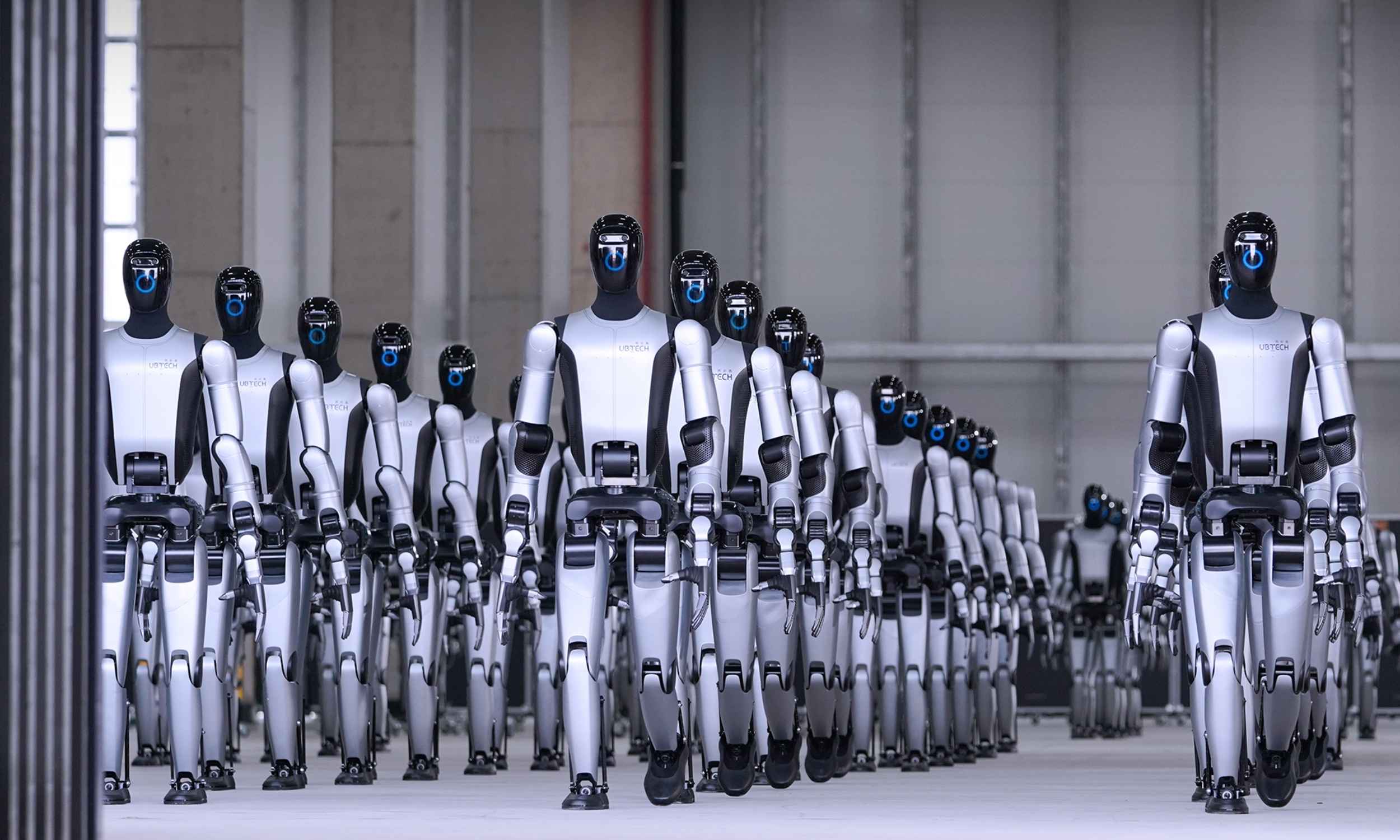
UBTECH Walker S2 humanoids move toward border deployment
China is preparing a real world deployment of humanoid robots at a high traffic border crossing, marking one of the most operationally demanding trials for the form factor to date. UBTECH Robotics has secured a $37 million contract to supply its Walker S2 humanoid systems for use at the Fangchenggang border area near Vietnam.
The project positions humanoid robots in a complex environment where pedestrian flows, vehicle logistics, and security procedures intersect. Unlike controlled industrial settings, border crossings present continuous throughput, unpredictable human behavior, and limited tolerance for downtime.
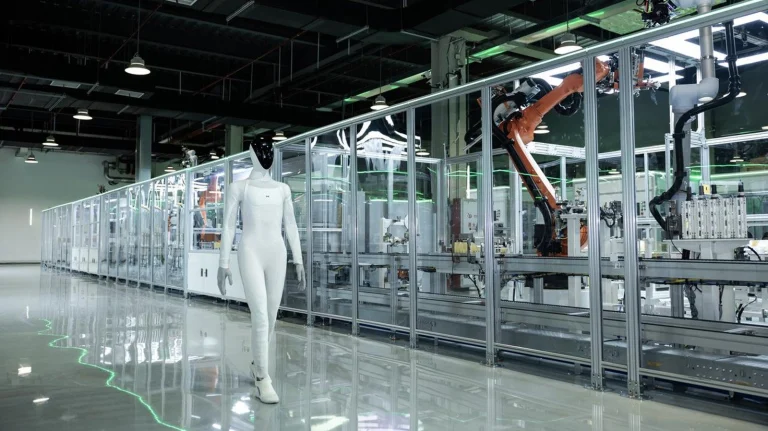
Walker S2 is an adult sized humanoid platform with articulated legs, arms, and torso, designed to operate in spaces built for human workers. The system integrates cameras, depth sensing, and joint level force feedback to maintain balance and navigate crowded environments. UBTECH emphasizes embodied intelligence, combining physical mobility with AI driven perception and task execution.
A key operational feature is autonomous battery swapping, allowing the robots to replace their own power modules without human intervention. This is intended to support near continuous operation, a requirement in border environments where activity is sustained throughout the day.
Initial use cases at Fangchenggang focus on assistance and monitoring tasks rather than enforcement. Robots are expected to guide passenger queues, provide basic directions, and support logistics by checking cargo identifiers and relaying status updates. Additional roles include patrol of waiting areas and corridors to detect congestion or blocked exits, escalating issues to human staff.
The deployment also extends beyond the border itself. UBTECH indicates that similar units will be used in industrial inspection tasks, including routine checks in metals processing facilities. This reflects a broader positioning of humanoids as general purpose workers capable of moving between structured and semi structured environments.
The Fangchenggang project follows earlier commercial agreements for Walker S2 systems in factories and data centers. UBTECH reports significant order volume for the platform, although the company remains unprofitable, highlighting the gap between contracted demand and sustainable margins in the humanoid sector.
Policy support is a notable factor. China has identified humanoid robotics as a strategic industry, with national guidance targeting an innovation ecosystem and formal standardization efforts. The border deployment aligns with this agenda by placing humanoids in a regulated, high visibility setting where safety, reliability, and accountability can be evaluated.
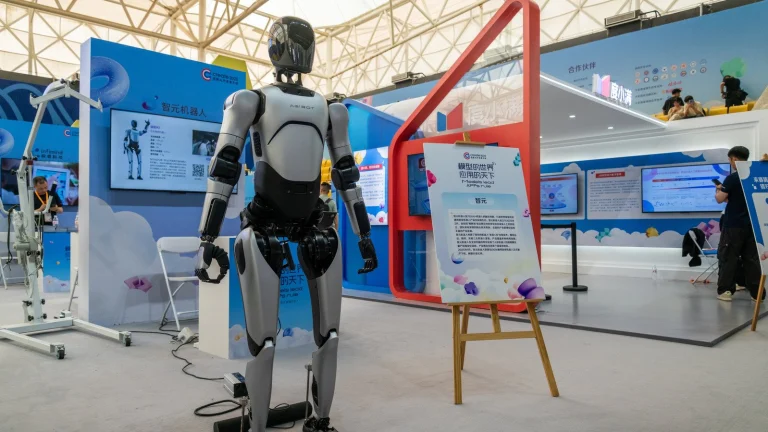
Supporting infrastructure is also emerging. A humanoid robot training center in Beijing hosts more than 100 machines performing staged tasks such as assembly, cleaning, and basic service work. These environments generate data used to refine perception and manipulation capabilities before field deployment.
For operators, the trial will provide insight into how humanoids handle continuous operation, environmental variability, and close human interaction. Key questions include system robustness in outdoor conditions, the effectiveness of perception in dense crowds, and the true cost of ownership once maintenance and supervision are accounted for.
If successful, the model could extend to other transport hubs such as airports, seaports, and rail stations. If performance falls short, it may reinforce the need for narrower task specialization or additional safety controls. Either outcome will contribute to a clearer understanding of where humanoid robots can deliver operational value today.
Source: earth.com