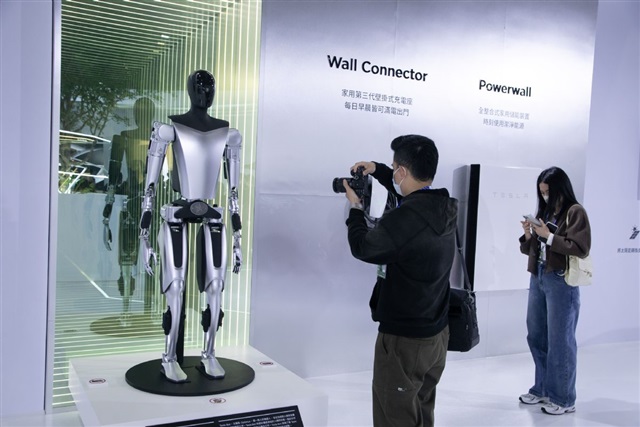
Taiwan humanoid robot suppliers look beyond Tesla as China scales
In a May 20 report from Taipei, Taiwan humanoid robot suppliers were described as reassessing where near term business will come from as Tesla’s production timeline slips. According to Digitimes, Tesla remains a bellwether for humanoid robots, but China’s robot makers are now scaling up fast enough to redirect supplier attention toward more immediate opportunities.
Why Taiwan humanoid robot suppliers are reassessing Tesla
The core shift in this report is not that Tesla has become irrelevant to humanoids. Digitimes explicitly frames the company as a bellwether, meaning its plans still matter as a signal for the wider market. What has changed is the timing of expected demand, with delayed production pushing suppliers to reconsider where actual orders may emerge first.
That distinction is important for companies in Taiwan’s manufacturing ecosystem. Suppliers can spend years preparing for a platform that attracts heavy attention, but they still need customers whose timelines line up with near term revenue and capacity planning. When a high profile program slows, supplier strategy usually shifts from watching the best known developer to identifying the manufacturers moving closest to scaled production.
For the humanoid sector, this suggests the competitive field is no longer being read primarily through one US program. The Digitimes report points to a market in which supplier decisions are being shaped by schedule credibility as much as brand visibility. In practice, that can influence everything from partnership priorities to how quickly vendors commit resources to a particular customer set.
China’s robot makers scale up
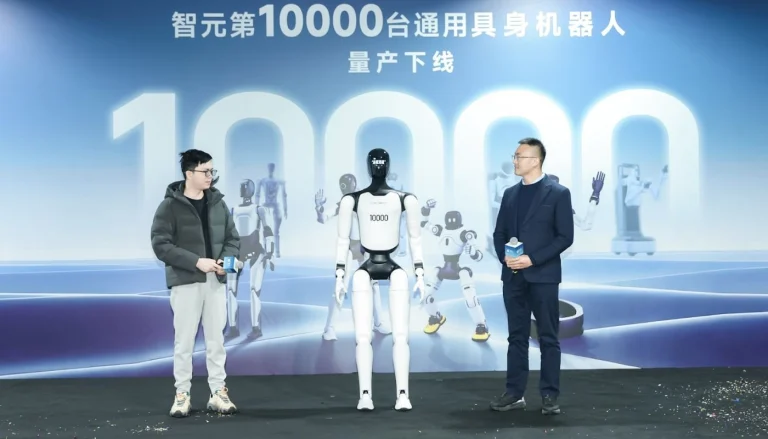
The other central point in the report is that China’s robot makers are scaling up. The source does not provide names, shipment figures, or specific production targets in the scraped text, so the available evidence is limited to the broader market signal. Even so, the implication is clear, Chinese humanoid developers are becoming substantial enough to affect sourcing decisions outside China.
That matters because scale changes the nature of supplier engagement. Early stage humanoid work can revolve around prototypes and technical evaluations, but scaling programs tend to pull suppliers into a more operational discussion about manufacturing readiness, delivery schedules, and cost structure. A supplier base that had been waiting for Tesla to define the first wave of demand may now see Chinese manufacturers as the more immediate route to production business.
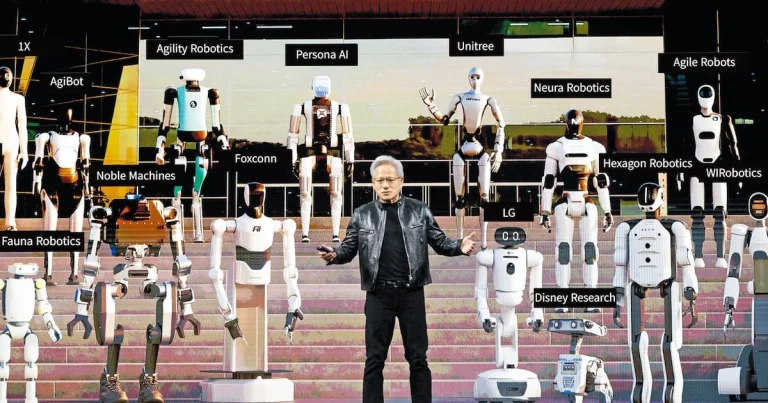
The story also reflects a wider feature of the humanoid market in 2026, momentum is fragmenting across several geographies rather than consolidating behind a single leader. Tesla still has outsized influence over expectations, but Digitimes’ framing suggests that influence no longer guarantees first access to supplier capacity. For decision makers following humanoids, that is a useful signal that market leadership and supply chain pull are not always the same thing.
What the shift means for the humanoid robot supply chain
For Taiwan, the report highlights a potentially valuable position in the global humanoid buildout. Taiwanese suppliers have long been deeply embedded in electronics and manufacturing networks, and the Digitimes article indicates they are actively mapping where humanoid demand may materialize first. The immediate issue is less about choosing a winner than about avoiding overdependence on one timeline.
This makes the supply chain story as important as any individual robot announcement. If Chinese manufacturers continue scaling while Tesla’s production schedule remains delayed, supplier qualifications, production planning, and commercial relationships could begin forming around those Chinese programs first. Once those relationships solidify, they can shape cost, component availability, and manufacturing experience across later rounds of humanoid commercialization.
What remains unclear is which manufacturers will turn current scaling activity into stable, repeat business, and how quickly those early supply positions will harden into longer term advantage. The next meaningful signal for the market will not be publicity alone, but which humanoid programs start pulling sustained volume through the supply chain. That will determine whether Tesla regains the lead in supplier attention or whether Chinese robot makers set the near term pace for humanoid sourcing.
Source: digitimes.com