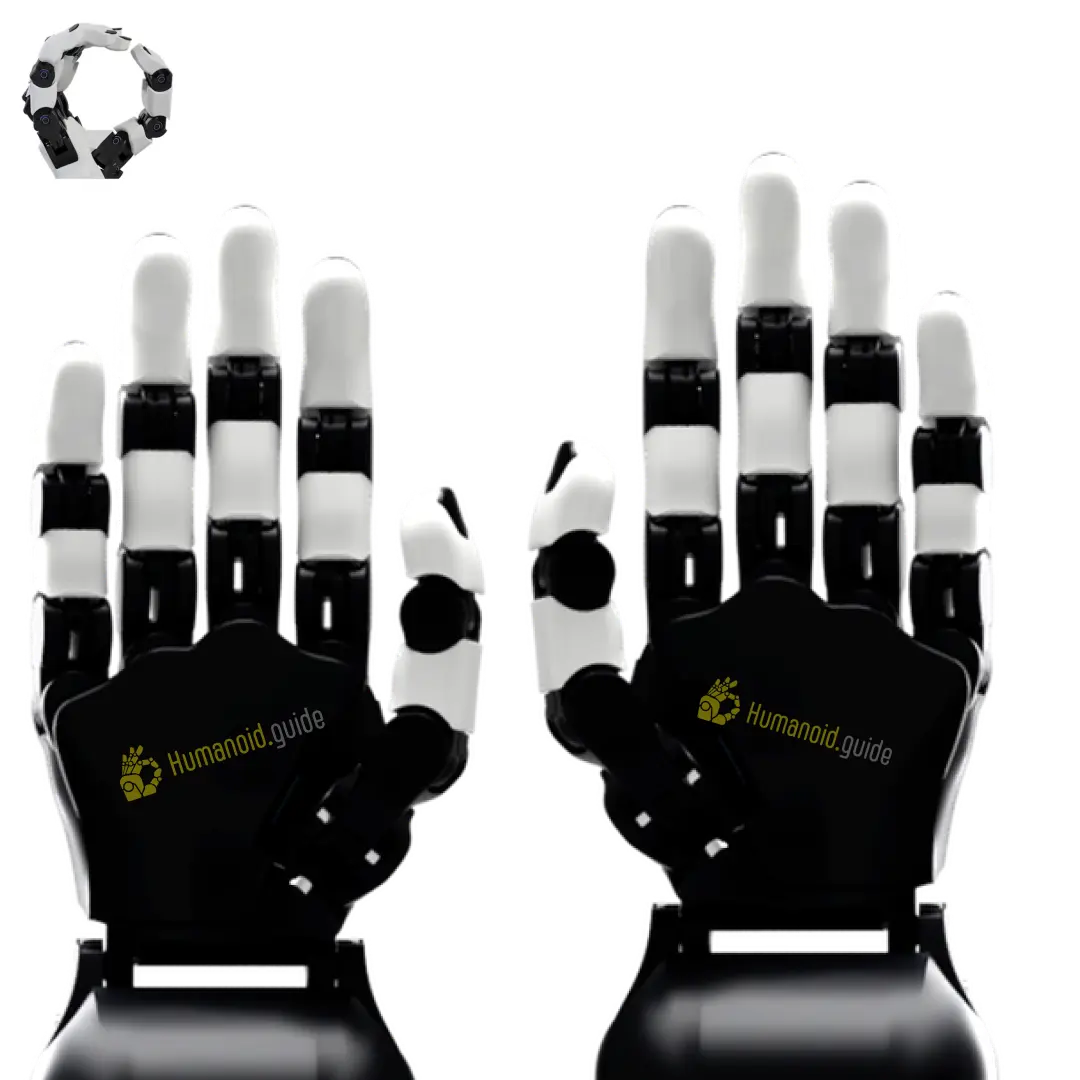
OrcaHand
$ 3 500

ORCA Hand / Soft Robotics Lab (ETH Zürich)
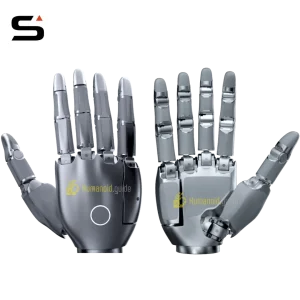
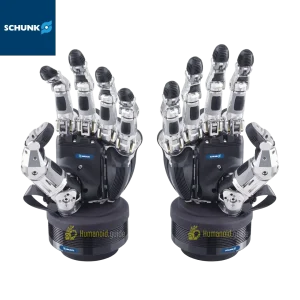
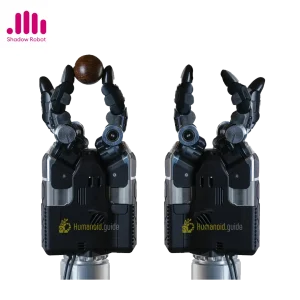
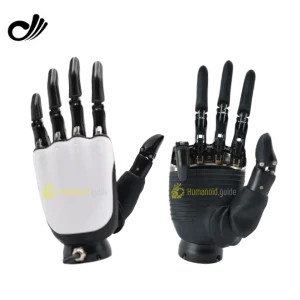
The OrcaHand is a human-like robotic hand built for dexterous manipulation and robotics research. It combines a tendon-driven mechanism with multiple degrees of freedom to reproduce natural finger motion. As a result, the hand can grasp and manipulate a wide variety of objects while remaining flexible for experimentation and integration into humanoid robotic systems.
Available on backorder
Hand Score
 5
5

Specifications and details:
| Strength [kg] | 5 |
|---|---|
| Weight [kg] | 1.2 |
| Size | Human-hand sized, anthropomorphic design |
| Number of fingers | 5 |
| Degrees of freedom, hands | 17 |
| Tactile/Force Sensors | Yes |
| Motor tech | DYNAMIXEL servo motors with tendon-driven actuation |
| Main structural material | 3D-printed components with silicone skin for compliant contact |
| Manufacturer | ORCA Hand / Soft Robotics Lab (ETH Zürich) |
| Nationality | Switzerland |
| Website | https://www.orcahand.com |
| Availability | In production |
Description
The OrcaHand is a dexterous robotic hand designed to replicate the movement and structure of a human hand. It features five fingers and a human-sized form factor, which helps robots interact with tools and everyday objects more naturally. As a result, the hand can perform many types of grasps, from delicate pinching to stable power grips. Researchers and developers often use it in robotics experiments because it supports flexible manipulation tasks and realistic hand motion.
2026 Humanoid Robot Market Report
Interested in the OrcaHand? Download 160 pages of exclusive insight from global robotics experts – uncover funding trends, technology challenges, leading manufacturers, supply chain shifts, and surveys and forecasts on future humanoid applications.
Featuring insights from
Rob Knight
Open source,
humanoid expert

2026 Humanoid Robot Market Report
160 pages of exclusive insight from global robotics experts – uncover funding trends, technology challenges, leading manufacturers, supply chain shifts, and surveys and forecasts on future humanoid applications.
Moreover, the OrcaHand focuses on accessibility and experimentation. The system uses a tendon-driven mechanism combined with servo motors to control finger movement with precision. Because of its open design, teams can quickly integrate the hand into robotic platforms, teleoperation systems, or machine-learning pipelines. In addition, integrated tactile sensing enables contact-aware manipulation, which improves control when handling objects.
Download the Humanoid Robot Market Report here