Humanoid Robots Dominate CES 2026 With Demos and Industry Signals
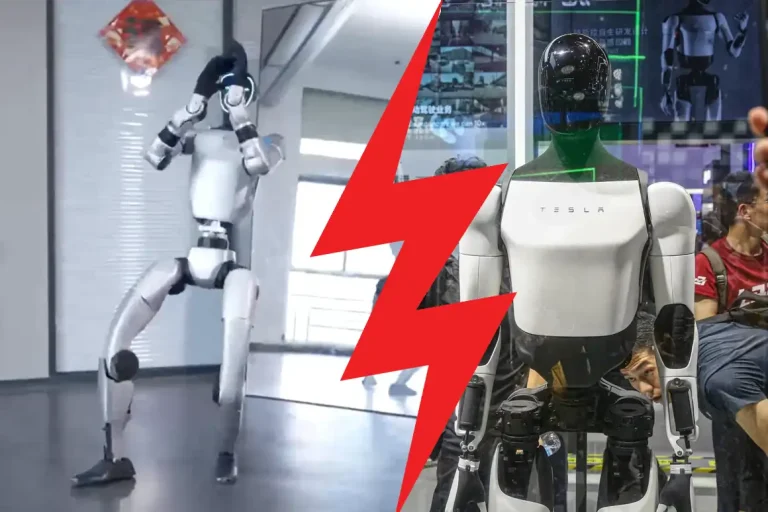
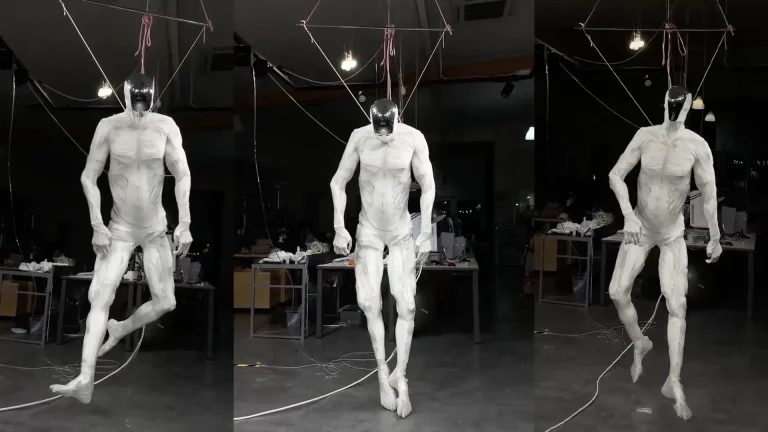
Humanoid robots were a central attraction at CES 2026 in Las Vegas, where large technology companies and robotics startups presented increasingly capable human form machines to signal progress toward practical deployment. The demonstrations emphasized physical interaction, dexterity, and autonomy rather than concept designs.
2026 Humanoid Robot Market Report
160 pages of exclusive insight from global robotics experts – uncover funding trends, technology challenges, leading manufacturers, supply chain shifts, and surveys and forecasts on future humanoid applications.

Featuring insights from
Aaron Saunders, Former CTO of
Boston Dynamics,
now Google DeepMind
2026 Humanoid Robot Market Report
160 pages of exclusive insight from global robotics experts – uncover funding trends, technology challenges, leading manufacturers, supply chain shifts, and surveys and forecasts on future humanoid applications.
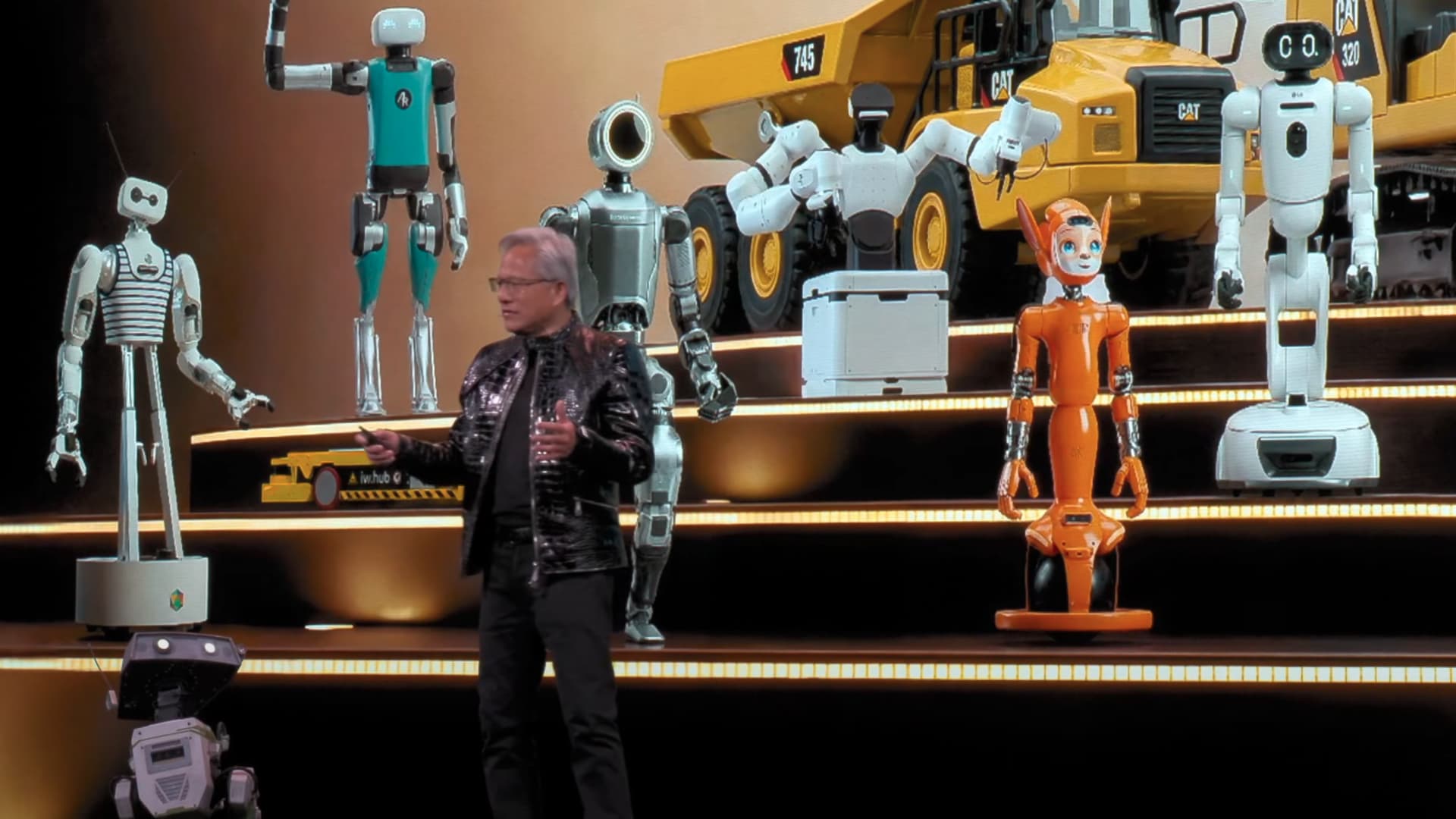
According to reporting by CNBC, exhibitors framed these systems as part of a broader push toward what many companies described as physical AI. On the show floor, humanoid robots were shown performing coordinated movements, basic manipulation tasks, and service oriented scenarios intended to mirror retail and hospitality environments.
Focus on manipulation and coordination
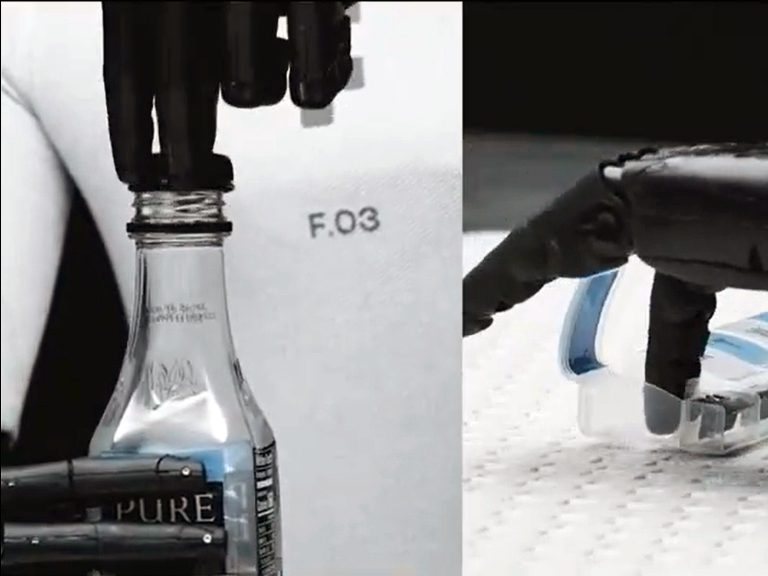
Several demonstrations highlighted improvements in hand design, sensor integration, and motion planning. Robotic hands capable of fine manipulation were paired with full body humanoid platforms to show coordinated actions such as object handling and simple tool use. These capabilities remain constrained to controlled environments, but they point to steady gains in perception and control.
Vendors emphasized modular architectures that combine vision systems, force sensing, and learned behaviors. The goal presented at CES was not general intelligence, but reliable execution of repeatable tasks that could eventually translate to industrial or commercial settings.
Commercial positioning and partnerships
Beyond technical demos, CES conversations centered on timelines and partnerships. Companies discussed pilot programs, potential customers, and integration with existing automation stacks. Most positioned humanoid robots as complementary to fixed automation, particularly in settings where tasks vary or spaces are designed for humans.
Despite the optimistic framing, exhibitors acknowledged ongoing challenges. Power efficiency, safety certification, cost, and long term reliability were frequently cited as barriers to scaling beyond pilots and demonstrations.
What CES 2026 signals for the sector
The prominence of humanoid robots at CES 2026 reflects a shift from speculative concepts toward incremental engineering progress. While the systems on display are not ready for broad deployment, the event underscored growing investment and clearer commercial intent.
For practitioners and decision makers, the takeaway is a market still in early stages, but one where technical roadmaps are becoming more concrete. The next milestones will depend less on show floor performance and more on sustained operation in real environments.