Claims of $20,000 Humanoid Home Robots Target 2026 Debut Market
Report points to consumer humanoids within two years
A recent report from the New York Post asserts that humanoid robots capable of performing household tasks could become commercially available as early as 2026, with projected prices near $20,000. The article cites commentary from technology executives, including Tesla CEO Elon Musk, who has previously outlined ambitious goals for general purpose humanoid robots.
2026 Humanoid Robot Market Report
160 pages of exclusive insight from global robotics experts – uncover funding trends, technology challenges, leading manufacturers, supply chain shifts, and surveys and forecasts on future humanoid applications.

Featuring insights from
Aaron Saunders, Former CTO of
Boston Dynamics,
now Google DeepMind

2026 Humanoid Robot Market Report
160 pages of exclusive insight from global robotics experts – uncover funding trends, technology challenges, leading manufacturers, supply chain shifts, and surveys and forecasts on future humanoid applications.
Focus on household labor and general purpose use
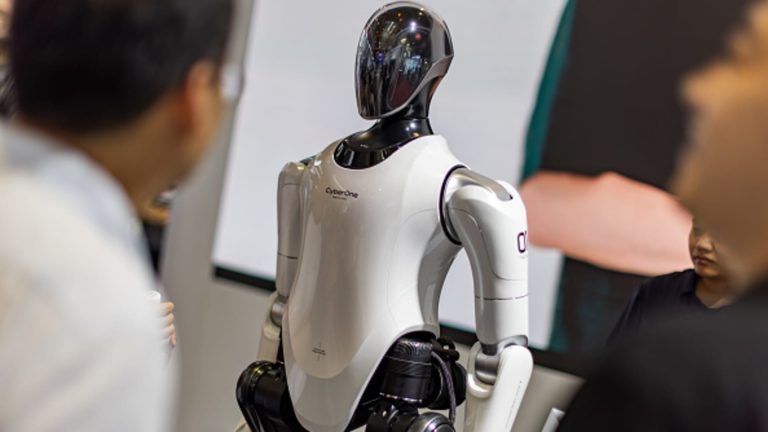
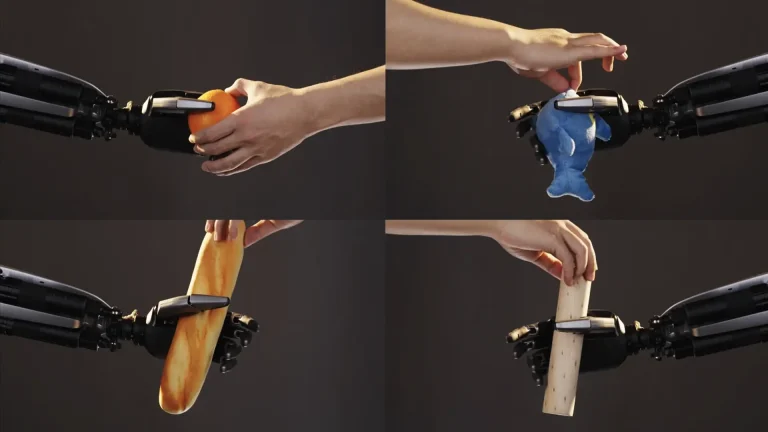
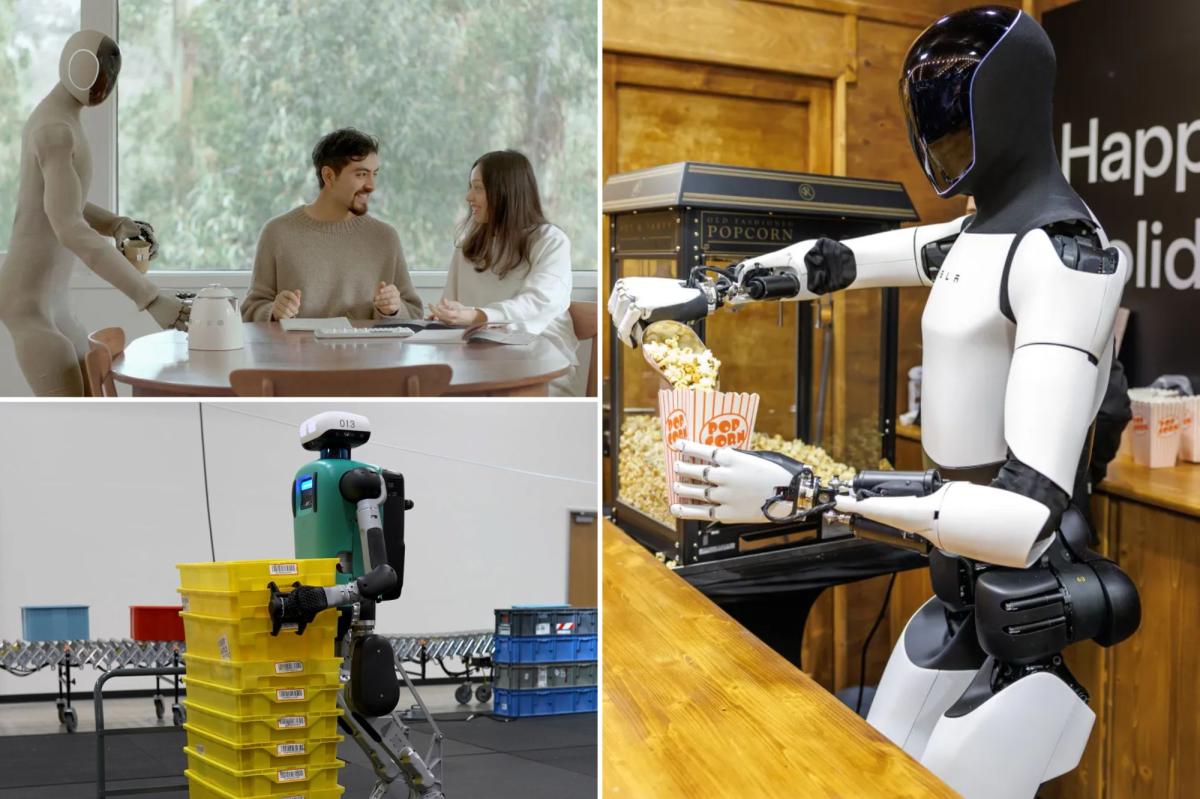
According to the report, the envisioned robots would handle routine domestic work such as cleaning, organizing, and basic physical assistance. These capabilities align with the broader industry push toward general purpose humanoid platforms designed to operate in human environments rather than constrained industrial settings.
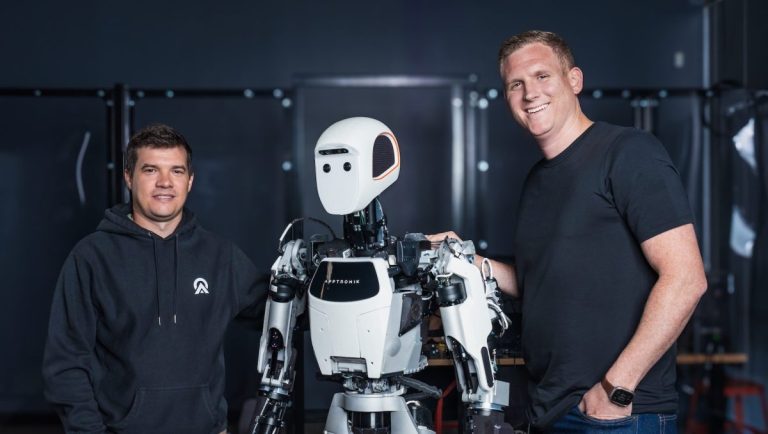
The article references Tesla’s Optimus program as a leading example, although no new technical specifications, benchmarks, or deployment confirmations are provided. Other humanoid developers are mentioned in passing, reflecting a growing field that includes startups and established robotics firms.
Price, timing, and capability remain uncertain
While a $20,000 price point would represent a significant step toward consumer accessibility, most humanoid robots currently demonstrated publicly remain in pilot phases or controlled environments. Key challenges include reliable manipulation, long duration autonomy, safety certification for home use, and maintenance requirements.
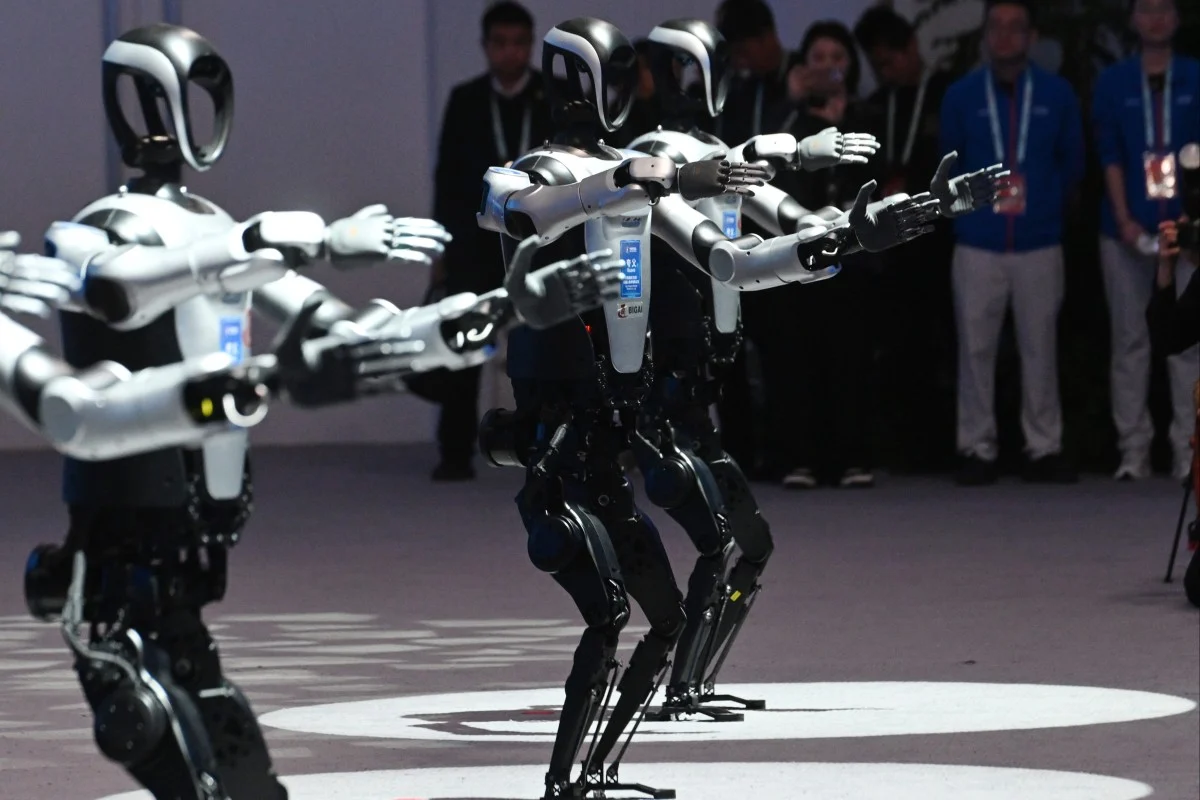
Industry observers generally expect early deployments to focus on structured commercial settings such as warehouses, factories, or logistics centers before widespread home adoption. Timelines for consumer readiness vary widely, and many developers have not committed to firm release dates.
Implications for the humanoid robotics sector
The report reflects increasing public attention on humanoid robots as potential household tools rather than experimental machines. For practitioners and decision makers, the claims highlight the need to separate aspirational timelines from validated capabilities, while tracking concrete progress in hardware reliability, software robustness, and regulatory readiness.