The Week of the Running Humanoids
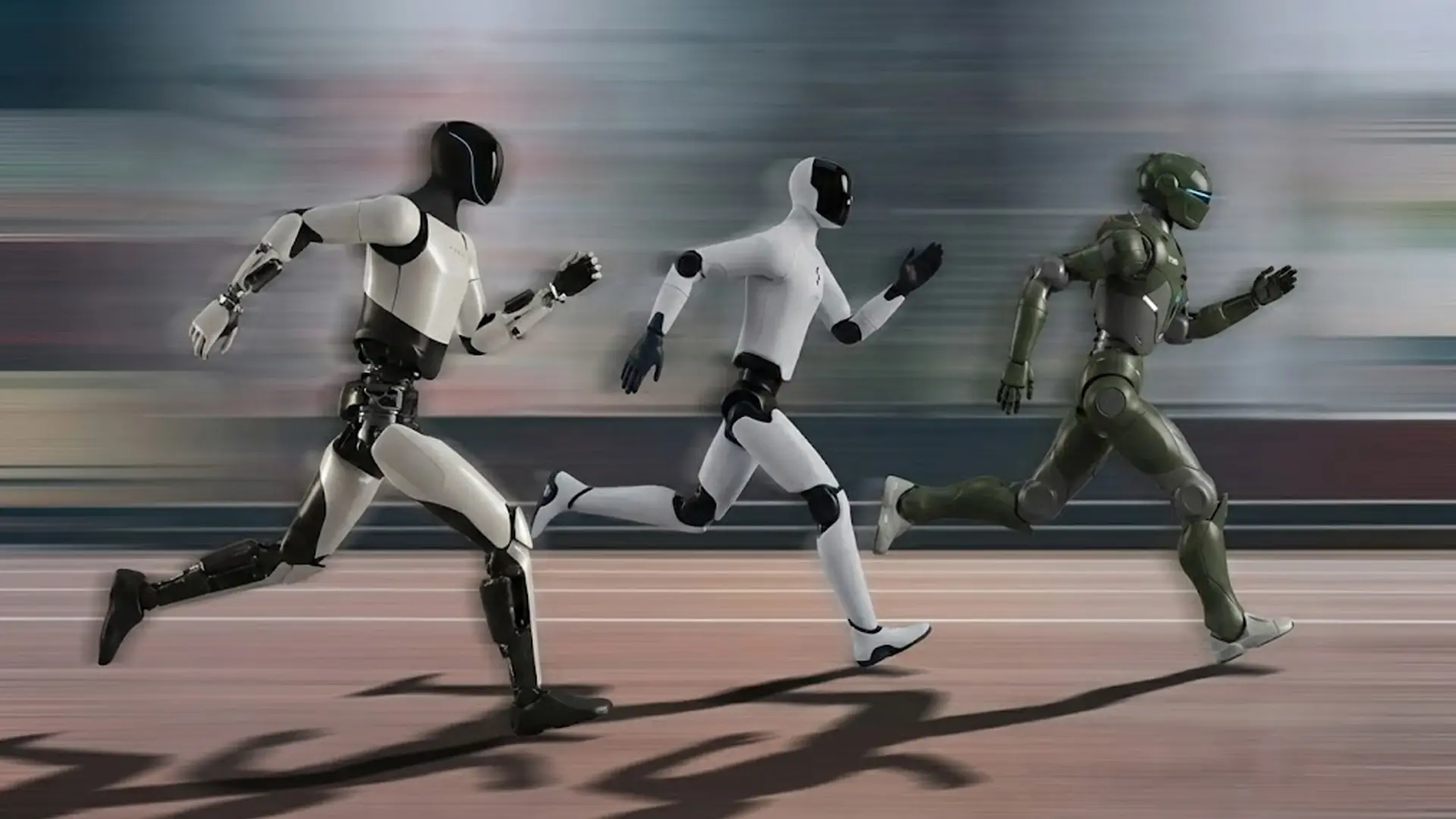
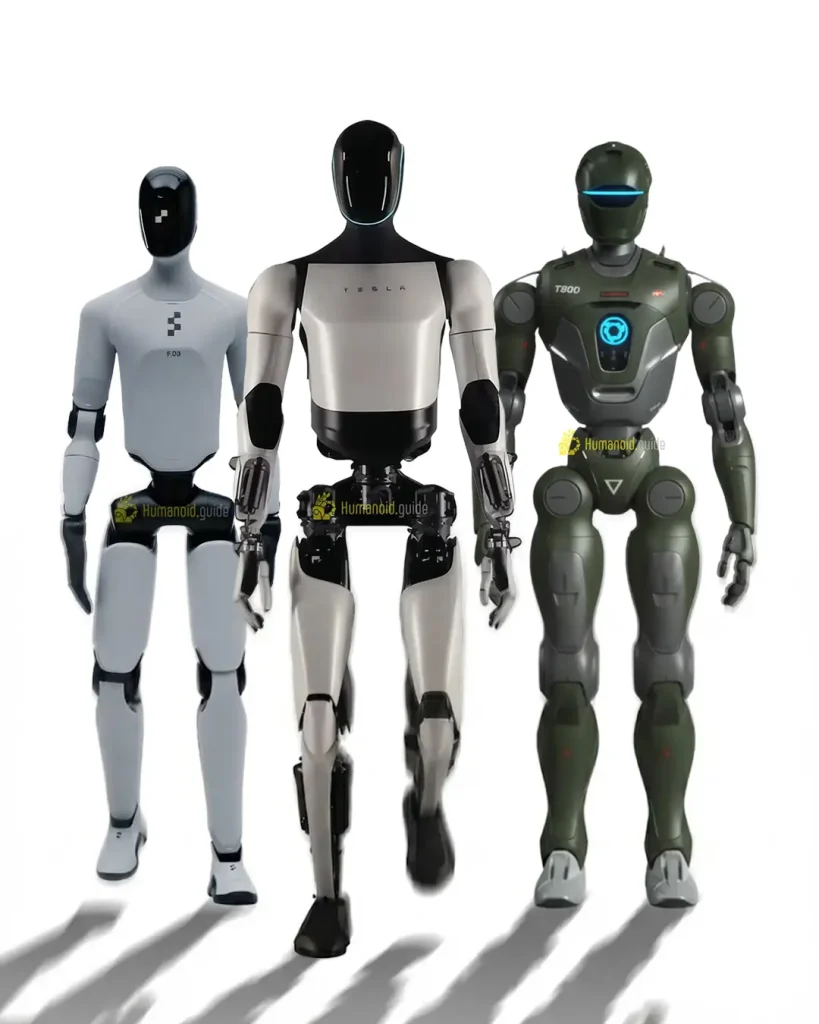
This week marked a breakthrough moment in humanoid robotics as three leading platforms – EngineAI’s T800, Tesla’s Optimus 2.5, and Figure’s Figure 03 – demonstrated running abilities that resemble human biomechanics more closely than ever before. While each company has pursued different actuator systems, balance controllers, and gait-learning approaches, their newest demos showcased a striking similarity: smooth forward momentum, natural arm swing, real-time balance correction, and foot placement patterns that look almost indistinguishable from human running.
EngineAI’s T800 impressed researchers with its adaptive gait learning, adjusting stride length dynamically as speed increased. Tesla’s Optimus 2.5 showed significant leaps in stability, maintaining a controlled center of mass even during rapid acceleration – a sign that Tesla’s AI-first approach is beginning to translate into physical capability. Figure 03, meanwhile, delivered one of the most fluid sequences, with upper-body stabilization and ankle-driven push-off mechanics that are eerily human-like.
Together, these demos mark a shift from “can humanoids walk?” to “how fast and how naturally can they move?” The convergence of techniques suggests that humanoid locomotion has entered a new era, where running is no longer a party trick but a foundational capability for real-world tasks, mobility, and future deployment at human speed.