Figure AI humanoid robots complete 24-hour nonstop sorting run
Figure AI humanoid robots have crossed 24 hours of continuous autonomous package sorting, according to the California-based company, which said three robots running its Helix-02 system continued working after an original eight-hour goal had been exceeded. The claim matters because it shifts attention from short demonstration clips to a harder operational question, whether humanoids can sustain real work across multiple shifts without teleoperation. If sustained, that kind of endurance would address one of the main gaps between laboratory-style demos and deployable logistics automation.
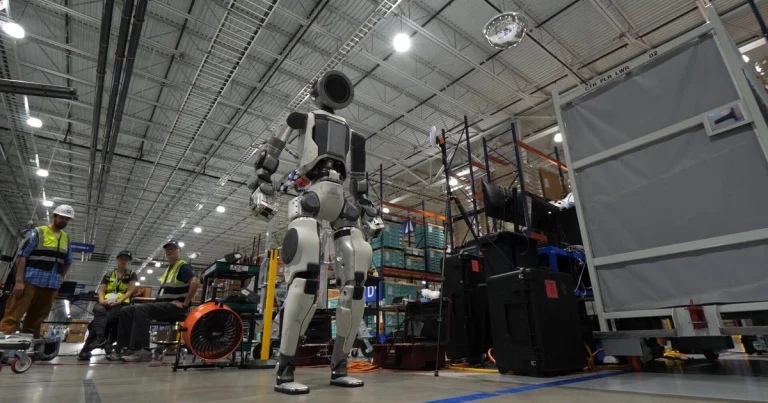
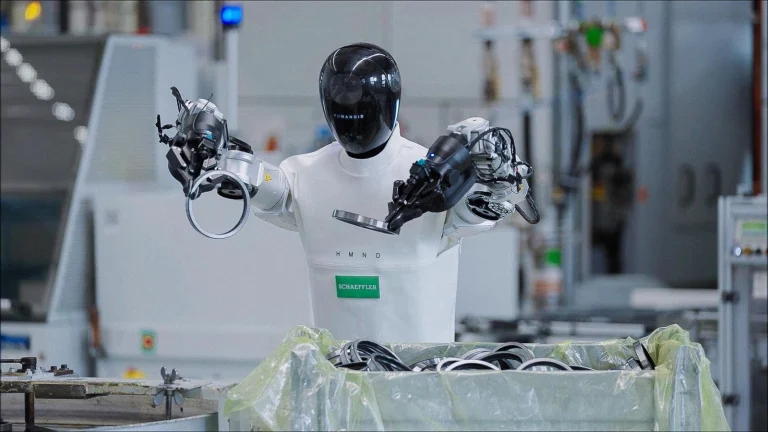
Figure AI humanoid robots in a nonstop sorting run
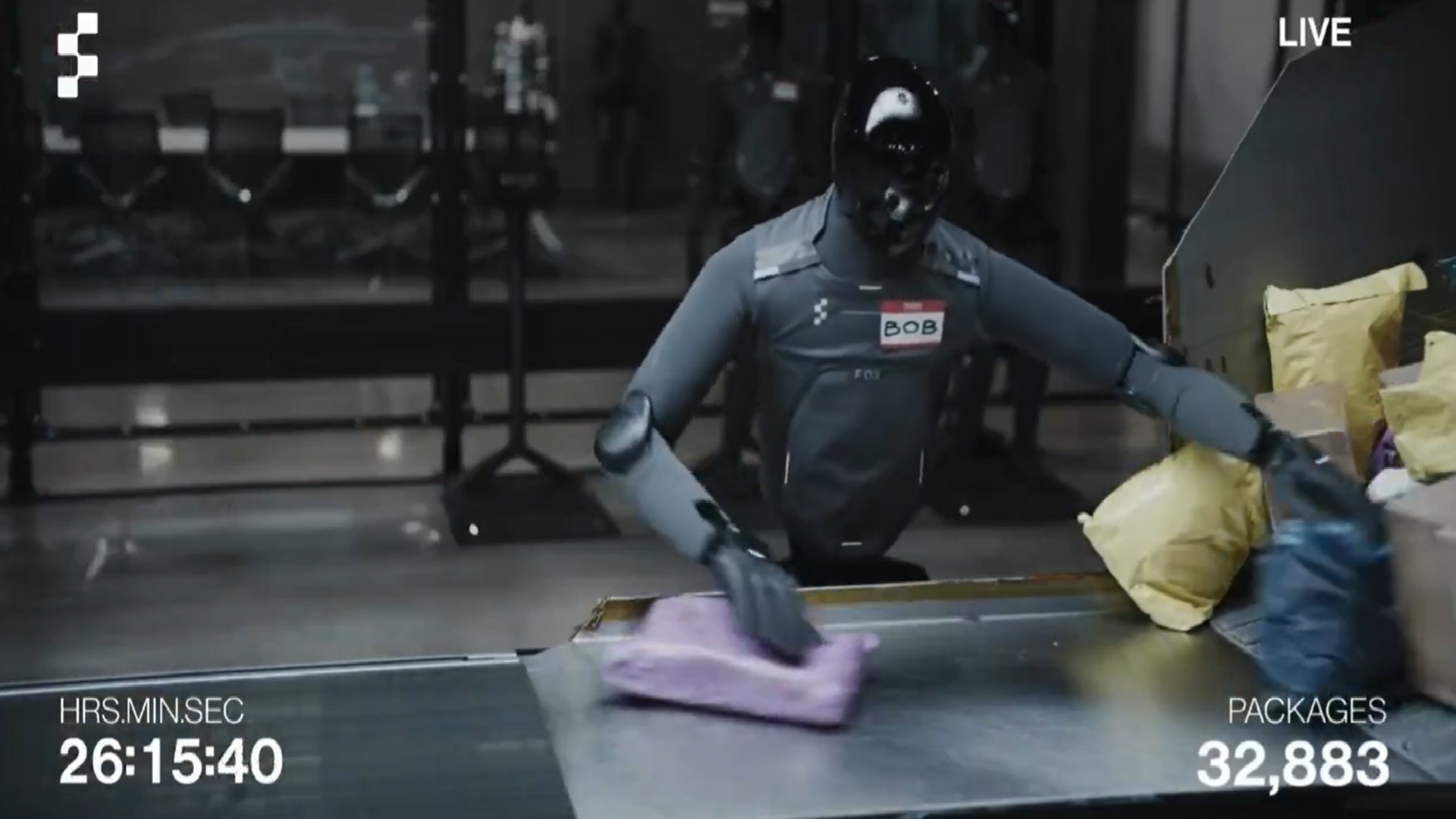
Figure AI said the robots were sorting small packages around the clock and livestreamed the run online. Viewers began referring to the machines as Bob, Frank, and Gary, and the company later added visible name tags during the stream. The livestream also drew sustained online attention as uptime and performance moved beyond the original target.
As Interesting Engineering reports, the test was initially meant to last eight hours. Brett Adcock, Figure AI’s founder and chief executive, said the company kept the operation running after the first day produced no failures. That turned a one-shift validation into a multi-day endurance demo.
According to Figure AI, the robots had sorted more than 28,000 packages while maintaining speeds close to human workers. Adcock said humans average about three seconds per package and that F.03 was approaching human parity on the task. Even as a company-reported figure, that metric is useful because cycle time is one of the clearest ways to compare humanoids with manual labor or fixed automation on repetitive handling work.
How Helix-02 handled the task
According to Figure AI, the robots identify barcodes, pick up packages, and place them barcode face-down on conveyor belts using onboard cameras and AI reasoning. Because each parcel has to be reoriented correctly before placement, the task demands both object detection and consistent wrist and hand control. That makes the run more informative than a simple pick-and-drop demo, even if it remains a narrowly defined workflow.
Figure AI also said the system is fully autonomous, with Helix-02 running entirely onboard the robots. The company specifically said there was no teleoperation, an important distinction in a field where many public demos still depend on remote support or hidden human intervention. For buyers, that difference matters because teleoperation can mask limits in autonomy and distort labor economics.
The company describes Helix-02 as a unified neural network that combines vision, touch sensing, proprioception, and whole-body control. Figure AI says that differs from more conventional industrial approaches that separate locomotion and manipulation into distinct control systems. The appeal of that architecture is flexibility, although the company did not provide detailed comparative data in this report.
Recovery, maintenance, and fleet coverage
Beyond raw uptime, Figure AI emphasized recovery behavior. Adcock said Helix-02 can trigger an automatic reset if a robot gets stuck or if the policy moves outside its expected operating distribution. In package handling environments, where object position and presentation can vary from cycle to cycle, recovery often determines whether a cell can run unattended for long periods.
The company also claimed the robots can manage maintenance transitions without stopping the overall workflow. If one robot encounters a software or hardware problem, Figure AI said it can autonomously leave the work area while another robot takes over. That suggests the company is testing not just single-robot behavior, but basic fleet orchestration.
The demonstration still comes from Figure AI itself rather than from an independent benchmark or customer case study. Even so, automatic reset and robot substitution address two practical issues that often receive less attention than motion quality in humanoid videos. For operators, fault isolation and continuity of throughput are often more important than whether a robot completes a single perfect cycle.
What the result means for humanoid deployments
This run builds on Figure AI’s earlier claim that its humanoids completed full eight-hour shifts autonomously using Helix-02. The company has also previously tested humanoid robots at BMW manufacturing facilities in South Carolina, pointing to a strategy centered on industrial and logistics deployments rather than consumer use. That context makes the latest sorting run a continuation of a broader push toward task-specific factory and warehouse work.
Figure AI is competing with companies including Tesla, Agility Robotics, and Apptronik to commercialize humanoid robots for warehouses, factories, and logistics sites. What remains unclear is how the 24-hour result translates to broader task variety, independently verified reliability, and daily operation at customer facilities, which are the benchmarks buyers will ultimately use. Endurance demos are useful, but deployment decisions will depend on repeatability and the amount of human supervision still required.
The bigger commercial question is not whether a humanoid can sort parcels for a day, but whether it can do so repeatedly, with predictable maintenance intervals and minimal human oversight. For now, Figure AI humanoid robots have provided a public test of uptime, recovery, and handoff that other industrial humanoid programs will also be expected to demonstrate as pilots move closer to production use.
Source: interestingengineering.com