UK startup demos Destiny humanoid for industrial tasks
A small UK robotics company is advancing a humanoid robot platform aimed at industrial and service applications, reflecting broader momentum in the commercialization of human form robotics.
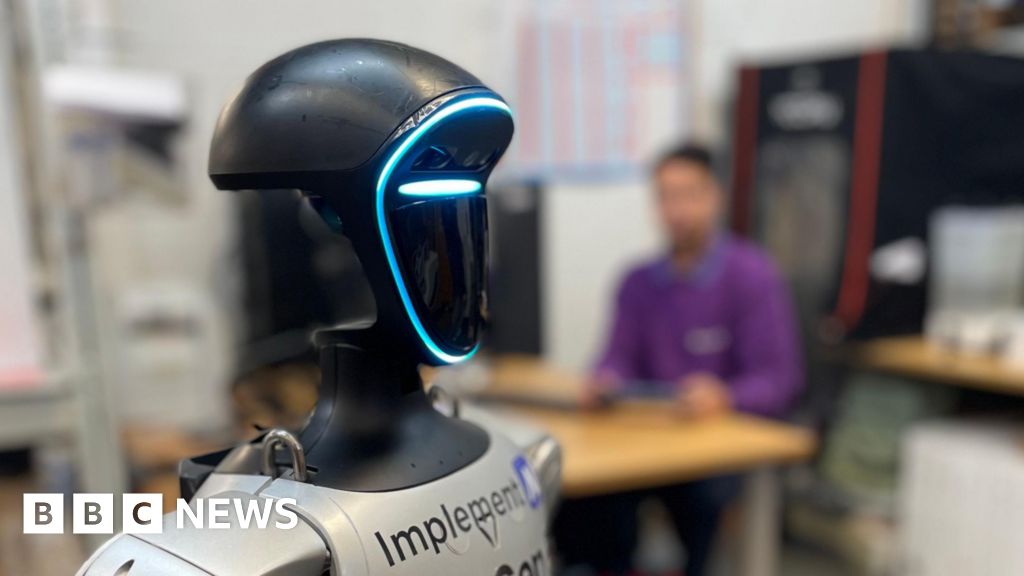
The robot, named Destiny, is being developed by NextGen Ri near the former Cotgrave colliery in Nottinghamshire. The site, once associated with coal mining, now hosts work on articulated humanoid systems designed to operate in environments traditionally built for human labor.
Destiny features articulated arms and legs that enable a wider range of motion than fixed industrial robots. According to Nathan Wallace, head of robotics at NextGen Ri, the system is intended to function as a general purpose platform capable of performing tasks previously carried out by people. He described the robot as an embodied AI system with the ability to speak, react, and physically manipulate its environment.
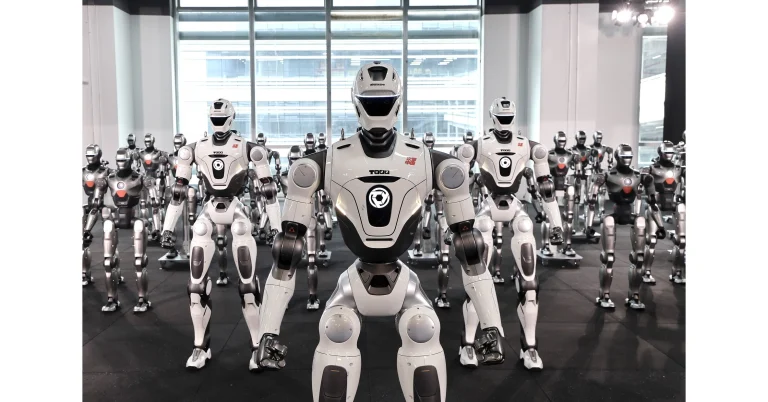
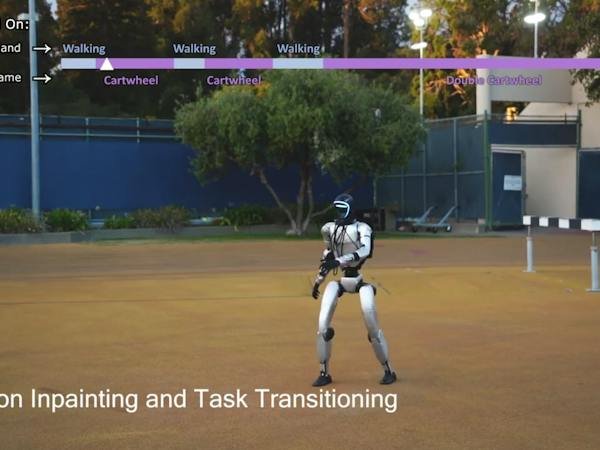
The current prototype demonstrates mobility and coordination through activities such as running, dancing, and performing martial arts sequences. These demonstrations, while not directly tied to industrial workflows, indicate progress in balance, motion control, and whole body coordination, all of which are critical for deployment in unstructured environments.
Wallace said the training approach draws on reinforcement style methods, where the robot improves performance through reward and penalty signals. For example, maintaining balance is incentivized, while instability is discouraged. This approach is increasingly common in humanoid robotics, where adaptability is required across varied tasks.
NextGen Ri is working with hardware platforms manufactured in China and focuses on customization and integration for commercial use cases. Early interest has come from businesses exploring autonomous storage facilities, where a humanoid could interact with customers while also operating physical infrastructure such as lockers.
Potential applications extend to hazardous environments. Wallace cited scenarios including nuclear decommissioning and remote bomb disposal, where operators could control a humanoid remotely using virtual reality interfaces. These use cases align with industry efforts to deploy humanoids in high risk or labor intensive settings before expanding into general service roles.
The development reflects a wider trend. Humanoid robots are already being tested in warehouses, distribution centers, and automotive manufacturing in regions such as the United States and South Korea. Research institutions, including the University of Nottingham, are also evaluating their use in healthcare and social care, particularly in response to aging populations.
Policy and labor implications remain a central concern. Trade unions have warned that automation could displace workers or degrade job quality if not managed carefully. At the same time, proponents argue that humanoid systems could address labor shortages and improve productivity, while creating new roles in robot maintenance, programming, and operations.
A UK government briefing on humanoid robotics highlights both the potential and the uncertainty surrounding the technology. It points to future applications across sectors including construction, education, and emergency response, while noting challenges related to safety, cost effectiveness, privacy, and public acceptance.
Public reaction to Destiny reflects this mixed outlook. Demonstrations have drawn both enthusiasm and skepticism, underscoring the gap between technical capability and societal readiness. While concerns about autonomy and control persist, developers emphasize that current systems operate within defined parameters and can be designed to fail safely, including shutting down if communication is compromised.
As humanoid platforms like Destiny move from demonstration toward deployment, the focus is shifting from novelty to measurable utility. For developers and operators, the key questions center on reliability, integration with existing workflows, and total cost of ownership in real world environments.
Source: bbc.com