China Leads Humanoid Robot Shipments as Funding Splits
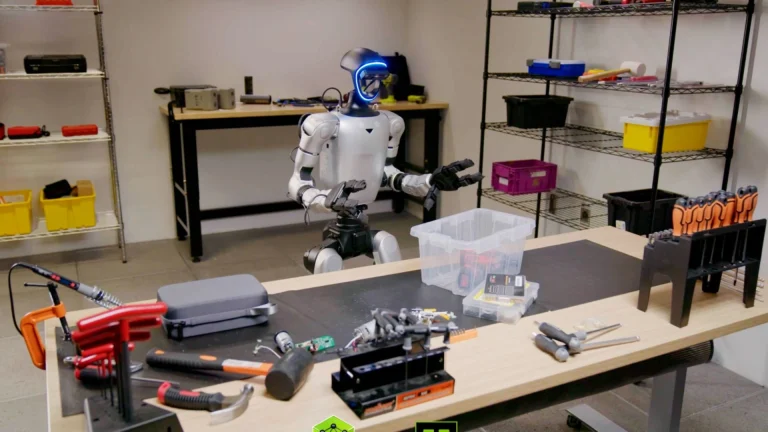
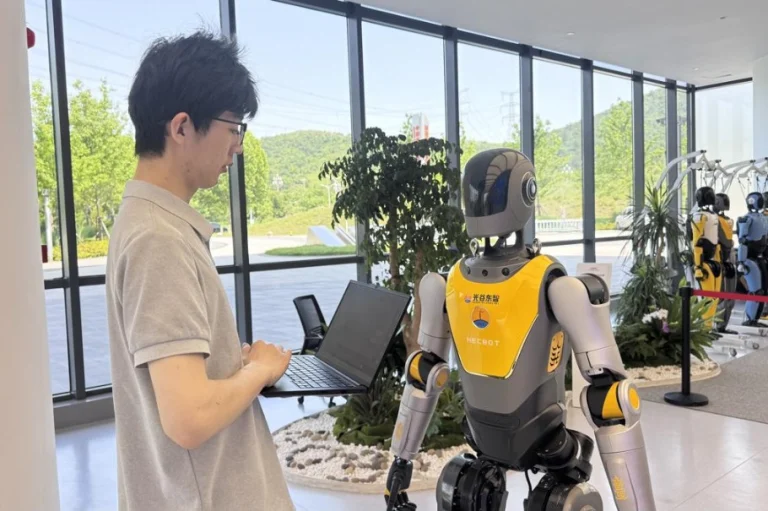
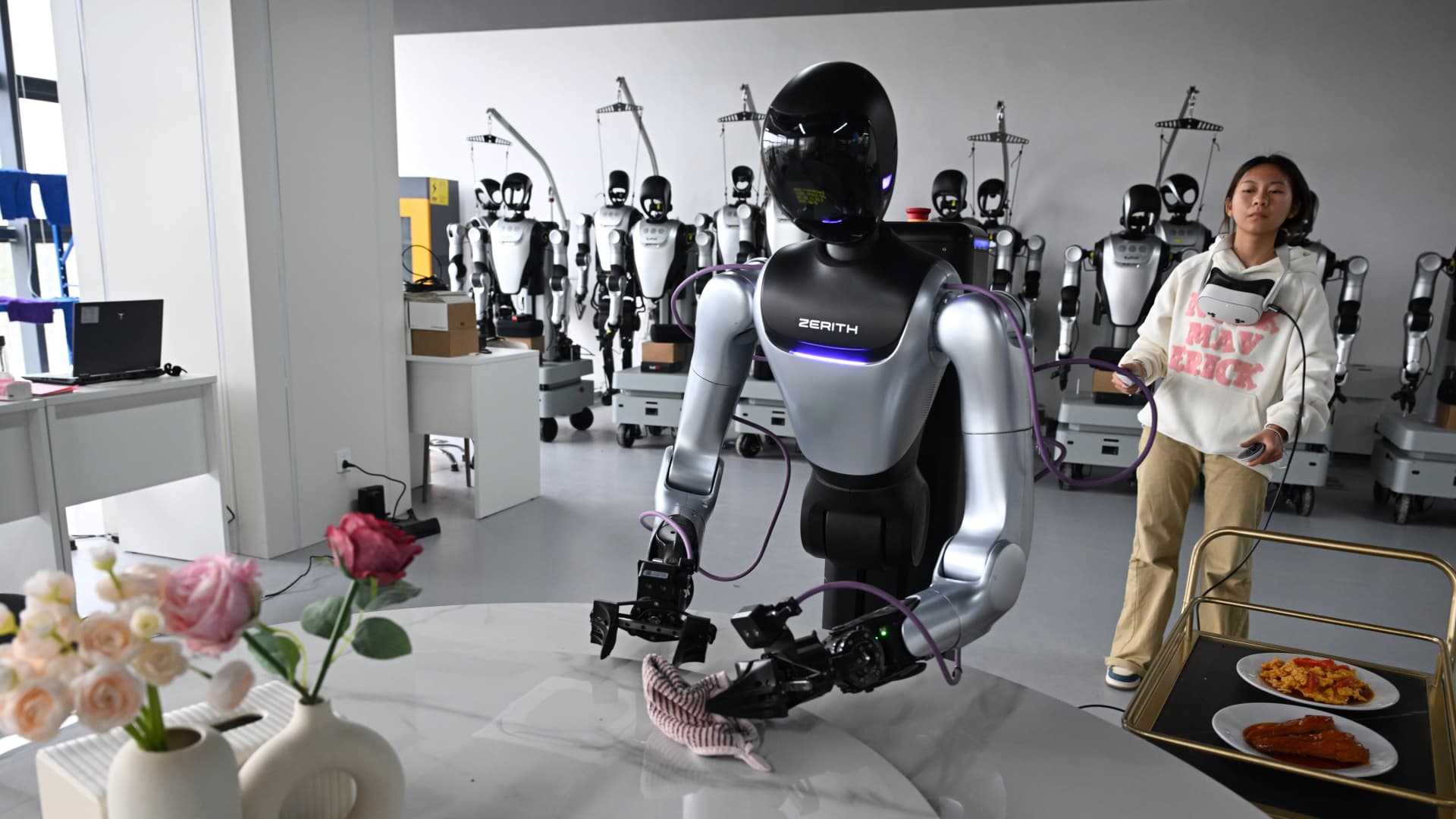
Chinese humanoid robot companies are moving ahead in real world deployments, shipping systems to factories, airports, and commercial environments at a pace that outstrips their U.S. counterparts. At the same time, U.S. startups continue to attract significantly higher valuations, highlighting a widening gap between commercialization and investor perception.
Data cited in CNBC reporting shows that Chinese firms dominated global humanoid robot shipments in 2025, taking the top six positions in Omdia rankings. Only two U.S. companies, Figure and Tesla, appeared in the top ten. While U.S. players remain largely focused on development and long term platform ambitions, Chinese companies are already placing robots into operational settings.
Examples of deployment include factory automation, airport operations, and applications in semiconductor and healthcare manufacturing. AI2 Robotics, a Chinese startup with a reported valuation of about 20 billion yuan, has secured industrial ग्राह customers and claims to have been selected over a U.S. competitor for factory use. The company is also rolling out systems in public infrastructure such as airports.
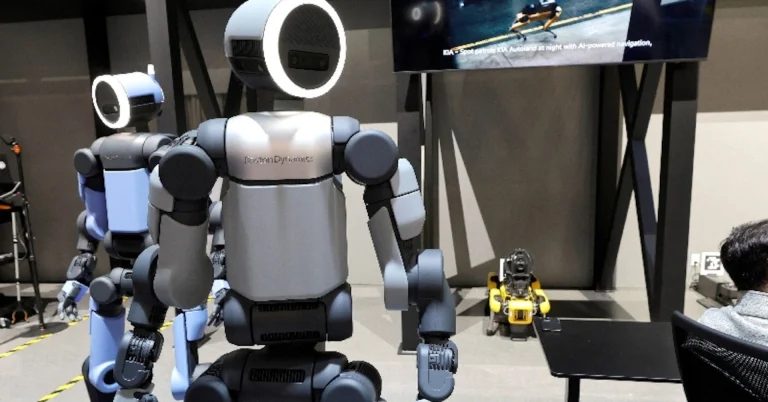
This deployment first approach contrasts with the valuation profiles of leading U.S. humanoid firms. Figure is reported to hold a valuation of at least $39 billion, while Apptronik reached $5 billion earlier in 2026. In comparison, one of China’s highest valued humanoid startups, Galbot, is valued at just over $3 billion despite active commercialization.
Industry observers attribute part of this gap to how investors frame the opportunity. U.S. humanoid companies are often positioned as broad artificial intelligence platforms, while Chinese firms are viewed more narrowly as hardware driven industrial automation providers. This distinction influences capital allocation, with U.S. venture funding heavily weighted toward software.
Geopolitical factors are also reshaping investment flows. U.S. pension funds and other institutional investors have reduced exposure to Chinese startups amid regulatory scrutiny and national security concerns. This has opened space for investors from the Middle East, who are backing venture funds and purchasing Chinese developed robots as part of economic diversification strategies.
New investment patterns are beginning to influence supply chains as well. According to industry consultants, U.S. buyers are increasingly sourcing humanoid robot components from manufacturing hubs such as Shenzhen, combining them with domestically developed software stacks.
China’s existing strengths in large scale manufacturing, developed through sectors such as electric vehicles and drones, are now being applied to humanoid robotics. This is accelerating production readiness and enabling earlier deployment cycles compared with U.S. peers that remain focused on research and system integration.
The result is a bifurcated market. Chinese companies are building operational experience and deployment volume, while U.S. firms are capturing higher valuations tied to future platform potential. Whether these paths converge will depend on how quickly large scale deployments translate into sustainable revenue and whether investor sentiment shifts toward demonstrated field performance.
Source: cnbc.com