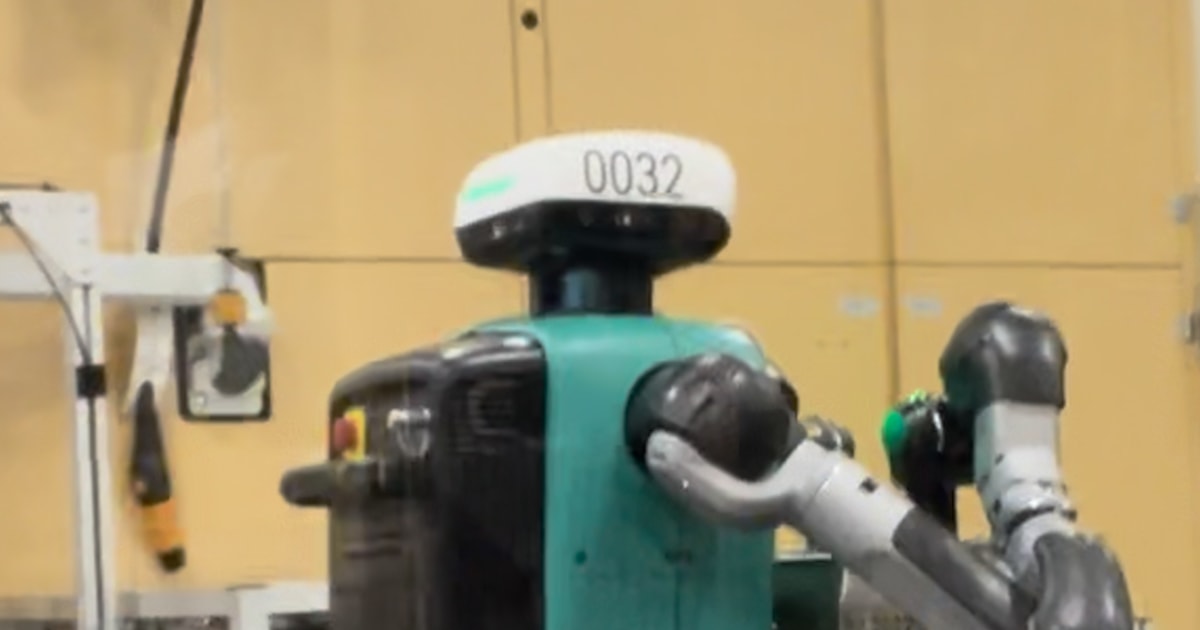
Humanoid robots enter factory workflows with Digit
Humanoid robots are beginning to move from pilot projects into operational roles on factory floors, with Agility Robotics’ Digit emerging as a notable example. According to reporting from NBC News, the bipedal robot is part of a new wave of systems being introduced at industrial companies including Schaeffler and Toyota.
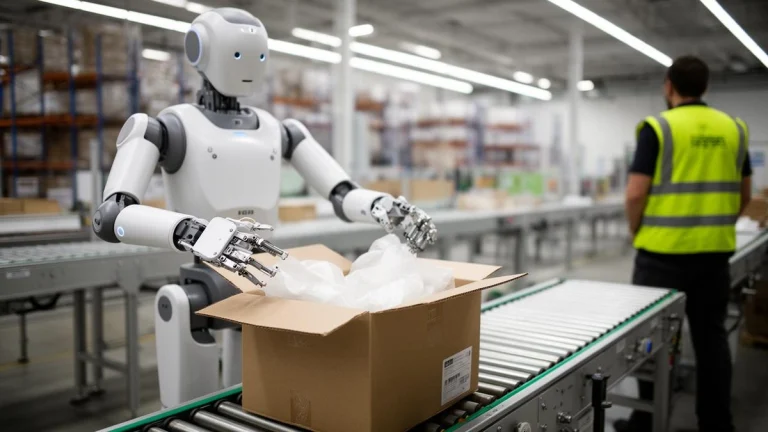
Digit is designed for tasks that fit existing human oriented environments, particularly material handling and repetitive logistics work. Its humanoid form factor enables it to navigate spaces built for people, including standard walkways and workstations, without requiring major facility redesign. This positions it differently from traditional industrial robots, which are typically fixed or require structured environments.
Early deployments focus on routine workflows such as moving items between locations, where consistency and endurance are valued. These use cases align with ongoing labor challenges in manufacturing and logistics, where operators seek to automate physically demanding or repetitive tasks.
The introduction of humanoid robots into production environments reflects a broader shift in automation strategy. Rather than redesigning facilities around machines, companies are evaluating robots that can adapt to existing processes. This approach may reduce integration complexity, though it places higher demands on robot perception, mobility, and reliability.
While deployments remain limited in scope, the presence of systems like Digit in facilities operated by major manufacturers suggests growing confidence in humanoid platforms for targeted industrial roles. Key questions for operators include uptime, safety validation, and total cost of ownership compared with established automation solutions.
As humanoid robotics continues to develop, factory use cases are likely to serve as an early proving ground. Real world performance in these environments will shape how quickly such systems move from pilot programs to scaled deployment.
Source: nbcnews.com