Tesla Targets Consumer Sales of Optimus Humanoid Robots by 2027
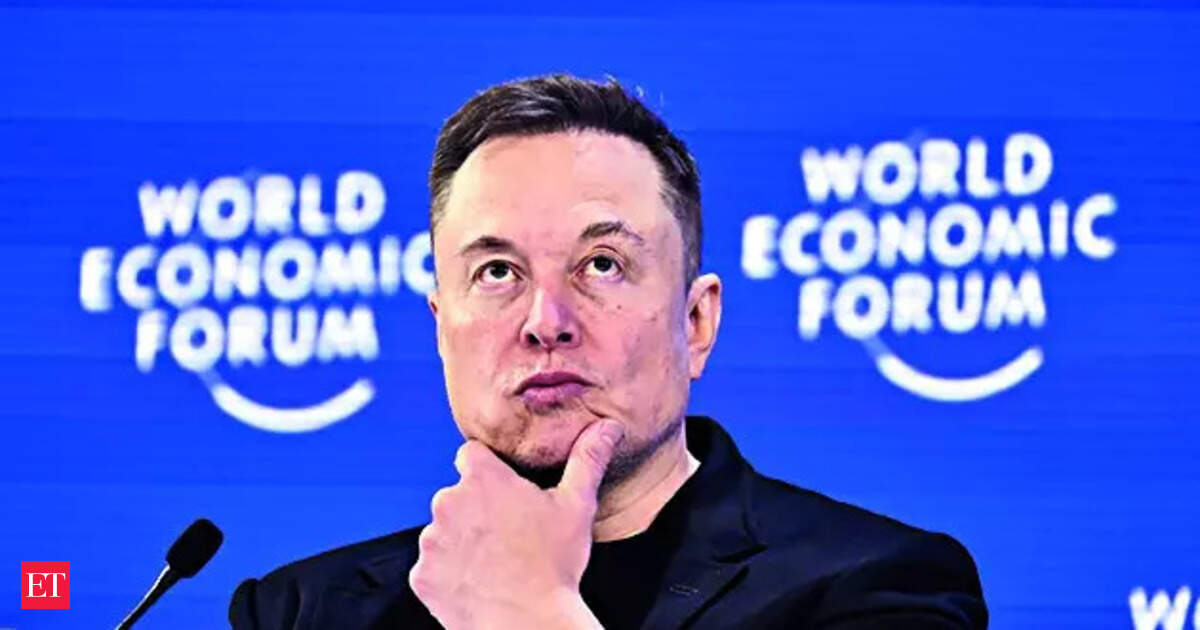
Tesla chief executive Elon Musk has said the company intends to begin selling its Optimus humanoid robots to consumers by the end of next year, positioning humanoids as a core pillar of Tesla’s long term strategy. The comments were made during discussions around the World Economic Forum in Davos and reported by The Times of India.
2026 Humanoid Robot Market Report
160 pages of exclusive insight from global robotics experts – uncover funding trends, technology challenges, leading manufacturers, supply chain shifts, and surveys and forecasts on future humanoid applications.

Featuring insights from
Aaron Saunders, Former CTO of
Boston Dynamics,
now Google DeepMind
2026 Humanoid Robot Market Report
160 pages of exclusive insight from global robotics experts – uncover funding trends, technology challenges, leading manufacturers, supply chain shifts, and surveys and forecasts on future humanoid applications.
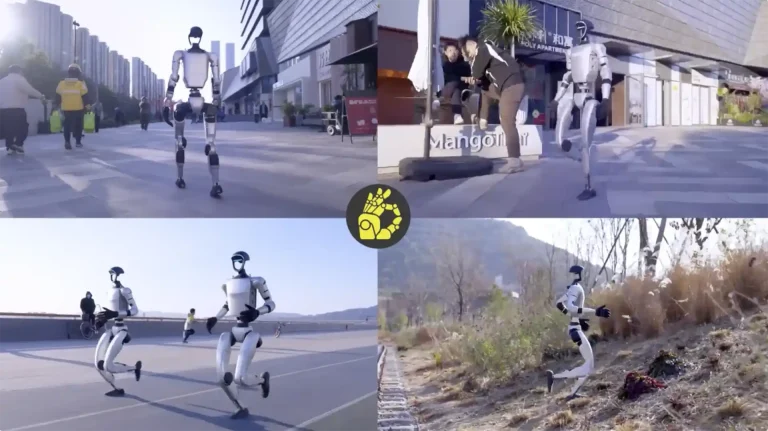
Optimus, first unveiled in prototype form in 2022, is designed as a general purpose bipedal humanoid robot capable of performing physical tasks in human environments. Tesla has previously shown the robot walking, manipulating objects, folding clothing, and working on basic factory tasks, though most demonstrations to date have been controlled and limited in scope.
From internal use to consumer availability
Tesla has stated that initial Optimus deployments are expected to focus on internal use within its factories, where the robot could perform repetitive or ergonomically challenging tasks. Musk’s latest comments suggest a faster transition from internal pilots to external sales than previously indicated.
Key points highlighted include:
- Consumer availability targeted by the end of next year, pending readiness.
- Humanoid robots positioned as a major future revenue stream for Tesla.
- Continued emphasis on scaling manufacturing and reducing unit costs.
No pricing details, production volumes, or formal specifications were disclosed. Tesla has also not clarified whether early consumer units would be aimed at enterprises, developers, or individual buyers.
Technical maturity and open questions
While Optimus has shown steady progress, significant technical challenges remain. These include reliable bipedal locomotion in unstructured environments, robust manipulation across varied objects, long duration autonomy, and safety validation for operation around untrained users.
For robotics practitioners and industrial decision makers, the announcement is notable less for its timeline and more for what it implies about Tesla’s confidence in its humanoid platform. Moving from factory pilots to consumer sales typically requires advances in safety systems, fault tolerance, and support infrastructure.
The full report is available from The Times of India.