Tesla signals slower Optimus humanoid rollout, maintains focus
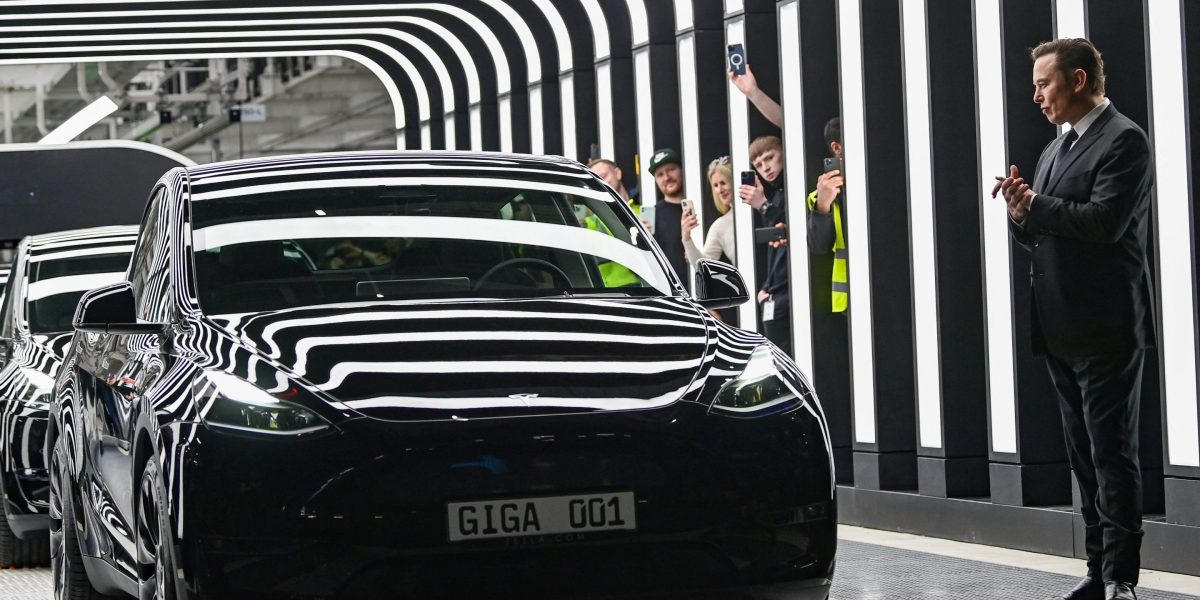
Tesla is tempering expectations for the near term rollout of its Optimus humanoid robot, with CEO Elon Musk describing the early production phase as “agonizingly slow” even as the company maintains a long term commitment to humanoid robotics.
2026 Humanoid Robot Market Report
160 pages of exclusive insight from global robotics experts – uncover funding trends, technology challenges, leading manufacturers, supply chain shifts, and surveys and forecasts on future humanoid applications.

Featuring insights from
Aaron Saunders, Former CTO of
Boston Dynamics,
now Google DeepMind
2026 Humanoid Robot Market Report
160 pages of exclusive insight from global robotics experts – uncover funding trends, technology challenges, leading manufacturers, supply chain shifts, and surveys and forecasts on future humanoid applications.
According to remarks reported by Fortune, Tesla expects initial Optimus production to move cautiously before accelerating once manufacturing processes mature. Musk reiterated that, in his view, production rates could eventually become extremely high, but only after several iterations of hardware, software, and factory automation.
Optimus remains central to Tesla’s robotics strategy
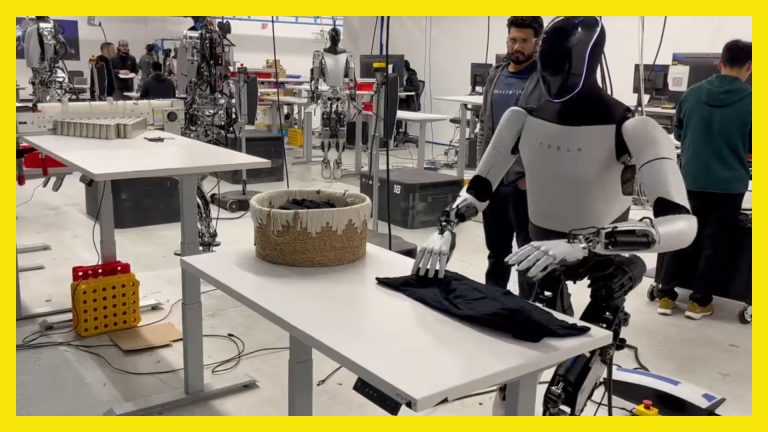
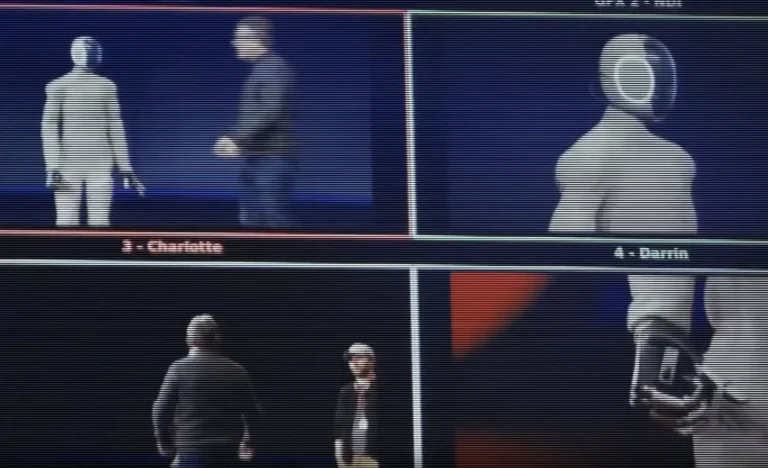
Optimus, Tesla’s bipedal humanoid robot, is designed to perform repetitive and physically demanding tasks in industrial and commercial environments. Tesla has previously demonstrated prototypes capable of walking, object manipulation, and basic task execution, with a long term vision that extends beyond factory use.
The latest comments suggest that Tesla is reassessing public timelines rather than abandoning the project. Slower initial output reflects challenges common to humanoid platforms, including actuator reliability, balance control, dexterous manipulation, and the integration of perception with real world autonomy.
Manufacturing and autonomy as bottlenecks
Musk pointed to manufacturing complexity as a key constraint. Unlike vehicles, humanoid robots require a high density of precision components such as electric actuators, sensors, and onboard compute, all packaged within a human scale form factor. Scaling production without compromising reliability remains a major hurdle across the humanoid robotics industry.
Autonomy is another limiting factor. While Tesla leverages its computer vision and AI stack developed for vehicles, translating those systems to a legged, manipulative robot operating in unstructured spaces introduces additional technical risk.
Implications for the humanoid robotics market
Tesla’s revised pacing aligns with a broader industry pattern where humanoid robot developers move from high profile demos to slower, methodical pilot deployments. For practitioners and operators, the update reinforces the expectation that meaningful volumes of general purpose humanoids will arrive incrementally, not all at once.
Despite the slower start, Tesla’s continued investment in Optimus keeps it among the most closely watched humanoid programs, particularly given the company’s emphasis on vertical integration and large scale manufacturing.