Tesla Fremont to End Model S and X, Shift to Optimus Robots Production
Tesla plans to end production of its Model S and Model X vehicles at the Fremont, California factory and transition the facility toward building Optimus humanoid robots by the end of the year, according to local officials and reporting by KQED.
2026 Humanoid Robot Market Report
160 pages of exclusive insight from global robotics experts – uncover funding trends, technology challenges, leading manufacturers, supply chain shifts, and surveys and forecasts on future humanoid applications.

Featuring insights from
Aaron Saunders, Former CTO of
Boston Dynamics,
now Google DeepMind

2026 Humanoid Robot Market Report
160 pages of exclusive insight from global robotics experts – uncover funding trends, technology challenges, leading manufacturers, supply chain shifts, and surveys and forecasts on future humanoid applications.
From vehicle assembly to humanoid manufacturing
The Fremont factory has been a cornerstone of Tesla’s automotive manufacturing for more than a decade. Shifting capacity away from legacy vehicle models toward humanoid robots marks a significant change in how the site is used. City and regional officials cited in the report said the move will require new production lines and a different supplier base than automotive assembly.
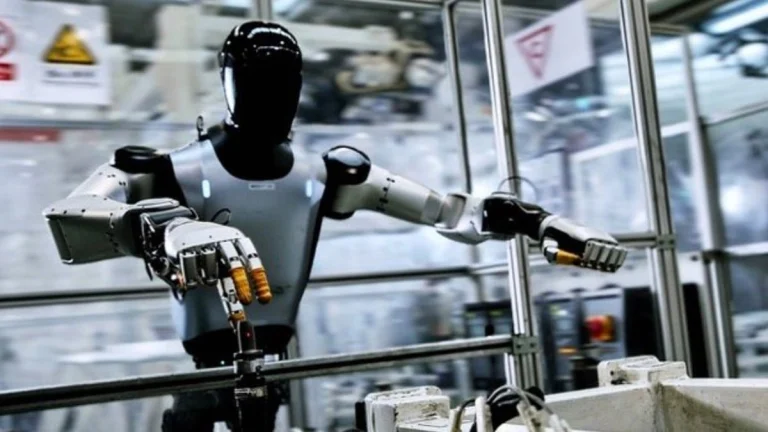
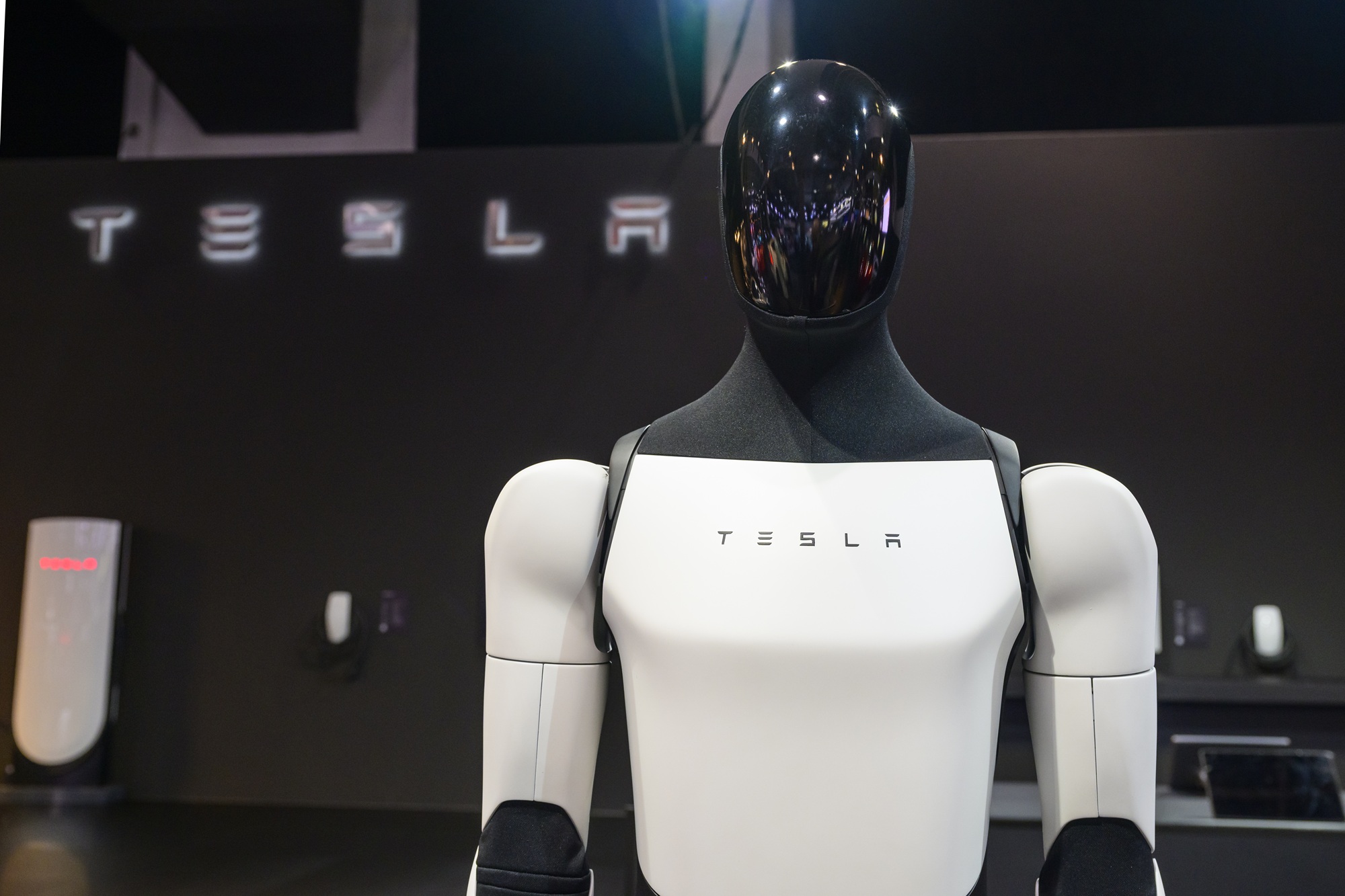
Optimus is Tesla’s general purpose humanoid robot platform, designed to perform manual tasks in industrial and commercial environments. While Tesla has demonstrated prototypes and internal pilots, large scale manufacturing has not yet been publicly detailed.
Implications for the humanoid robotics industry
If executed as described, Fremont would become one of the first major factories dedicated to high volume production of a full size humanoid robot. For the broader industry, this would represent a shift from limited pilot builds toward industrialized manufacturing, with implications for cost structure, supply chains, and deployment timelines.
Local officials noted that a new product line would attract different suppliers, particularly in areas such as actuators, sensors, power electronics, and precision assemblies. Tesla is also reported to be leasing additional nearby space to support the transition.
Open questions and next steps
Tesla has not released detailed specifications, target volumes, or customer timelines for Optimus production at Fremont. Key unknowns include:
- Annual production capacity and ramp schedule
- Level of in house versus outsourced component manufacturing
- Initial deployment markets, such as internal Tesla use or external customers
- Regulatory and safety certification pathways for commercial use
For practitioners and decision makers in humanoid robotics, the Fremont shift is a signal that at least one major manufacturer is preparing infrastructure for scaled humanoid production. Whether this translates into near term commercial deployments will depend on execution, reliability, and economics that remain to be demonstrated.