Rodney Brooks Challenges Elon Musk’s Vision for Humanoid Robots
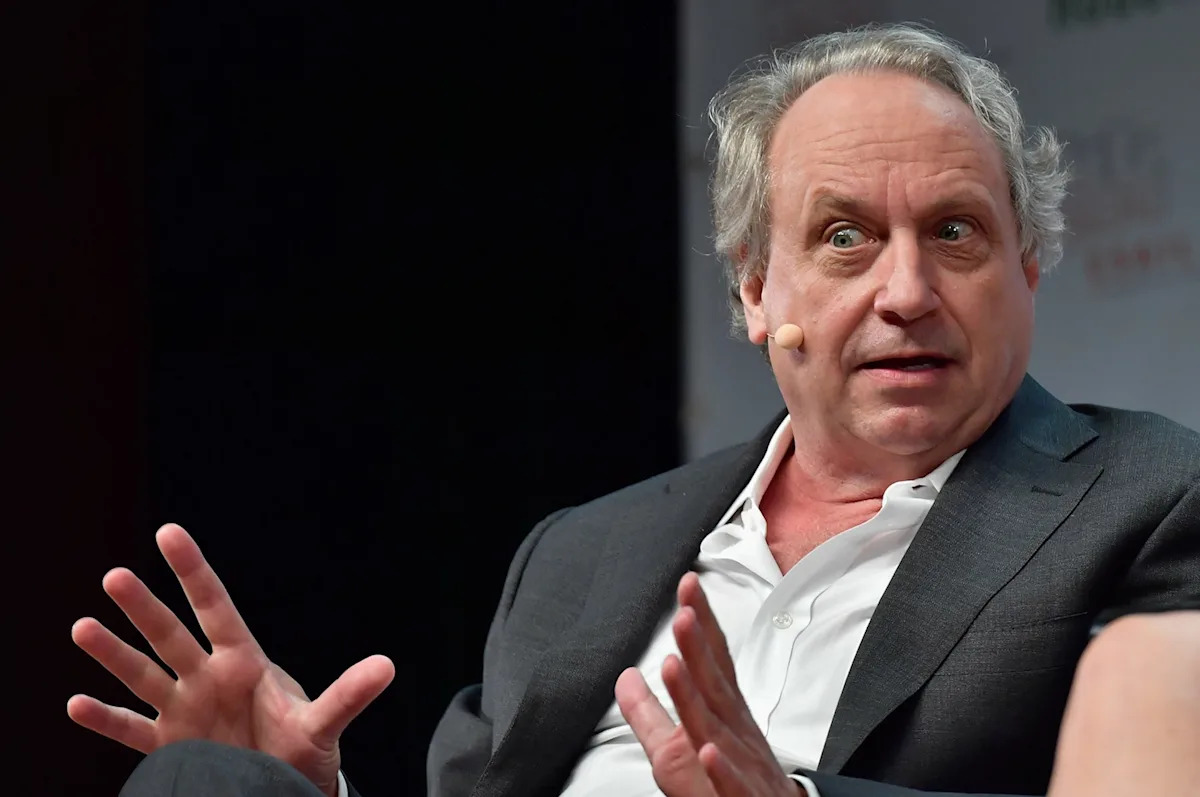
A public critique from one of the field’s most influential researchers has sharpened the debate around the near term future of humanoid robots. Rodney Brooks, an MIT roboticist and cofounder of iRobot, has dismissed Elon Musk’s vision of widely deployed humanoid robot assistants as unrealistic given today’s technology.
2026 Humanoid Robot Market Report
160 pages of exclusive insight from global robotics experts – uncover funding trends, technology challenges, leading manufacturers, supply chain shifts, and surveys and forecasts on future humanoid applications.

Featuring insights from
Aaron Saunders, Former CTO of
Boston Dynamics,
now Google DeepMind
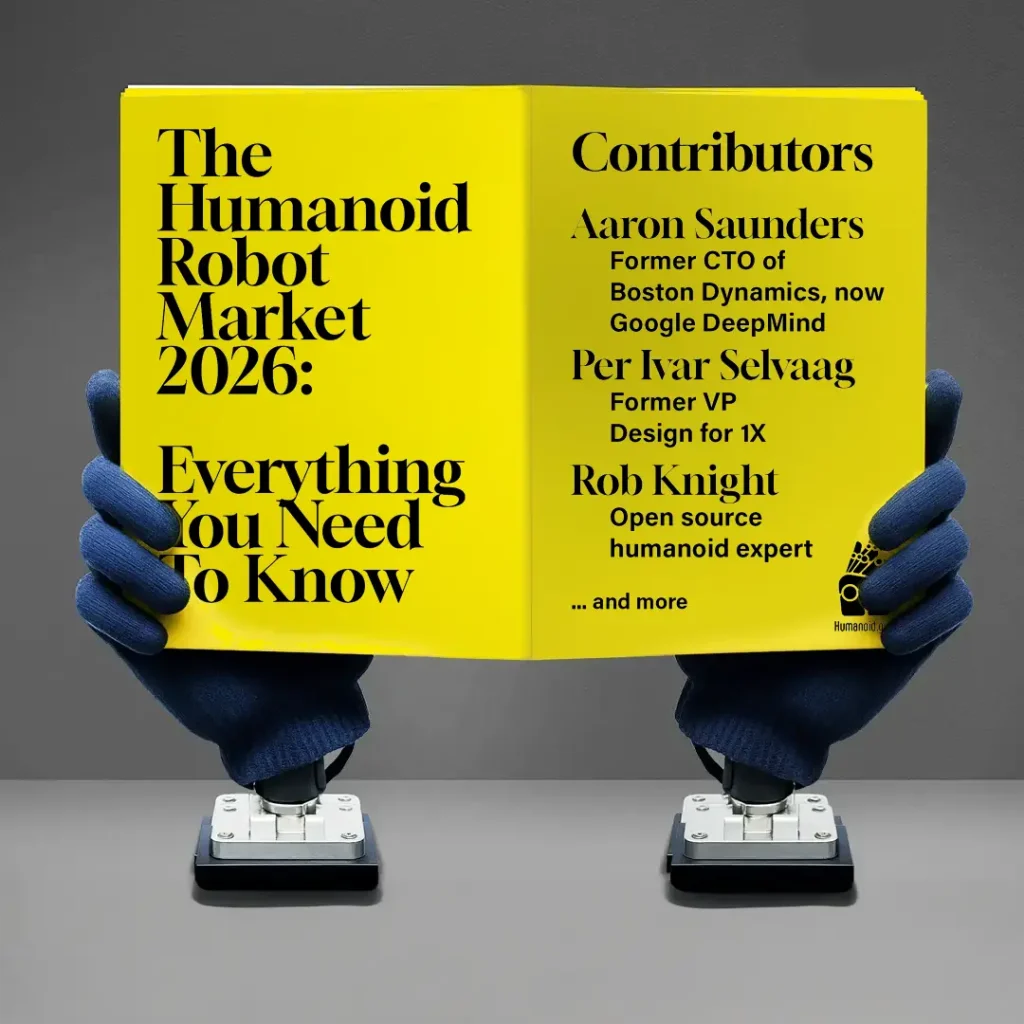
2026 Humanoid Robot Market Report
160 pages of exclusive insight from global robotics experts – uncover funding trends, technology challenges, leading manufacturers, supply chain shifts, and surveys and forecasts on future humanoid applications.
Brooks’ comments, reported by Yahoo News, target claims that general purpose humanoid robots will soon operate safely and economically in homes and workplaces. According to Brooks, such expectations underestimate the gap between controlled demonstrations and robust real world autonomy.
Limits of current humanoid platforms
Brooks argues that modern humanoid robots struggle with fundamental issues in perception, manipulation, and reliability. While locomotion and basic object handling have improved, he notes that these systems still require extensive engineering effort to perform narrow tasks under constrained conditions.
Key limitations highlighted include:
- Fragile perception systems that degrade outside structured environments
- Manipulation that lacks the adaptability of human hands
- High costs driven by complex hardware and constant tuning
- Limited uptime without expert supervision
In Brooks’ assessment, attempts to push current platforms into broad assistant roles will consume large amounts of capital without delivering sustainable products.
Implications for commercial humanoid roadmaps
The critique carries weight because Brooks has repeatedly warned against overpromising in robotics. He predicts that many ambitious humanoid projects will eventually be scaled back or abandoned, leaving behind prototypes and research insights rather than deployable workers.
This perspective contrasts with optimistic timelines promoted by companies pursuing humanoid robots for logistics, manufacturing support, and domestic assistance. For operators and decision makers, the comments underscore the importance of distinguishing between pilot demonstrations and systems ready for continuous operation.
A familiar cycle in robotics development
Brooks frames the current surge of interest in humanoid robots as part of a recurring cycle. Breakthroughs in computation and machine learning generate bold claims, followed by a period where engineering realities slow progress. He suggests that meaningful advances will come incrementally, often in less visible forms than a fully autonomous humanoid assistant.
For the humanoid robotics sector, the debate highlights a central tension between visionary goals and practical deployment. Whether Musk’s ambitions accelerate breakthroughs or repeat past patterns remains an open question, but Brooks’ warning reinforces the need for grounded expectations.