OrcaHand Touch
$ 6 100

ORCA Hand / Soft Robotics Lab (ETH Zürich)
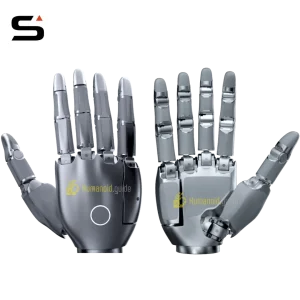
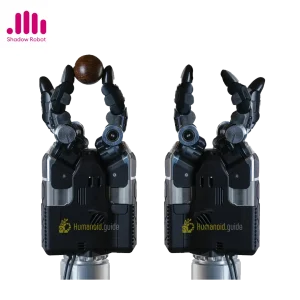
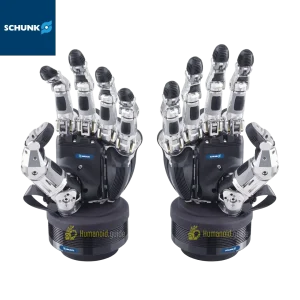
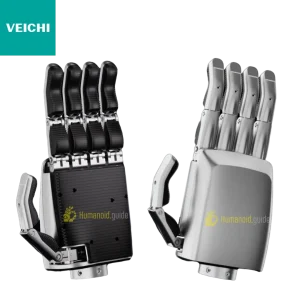
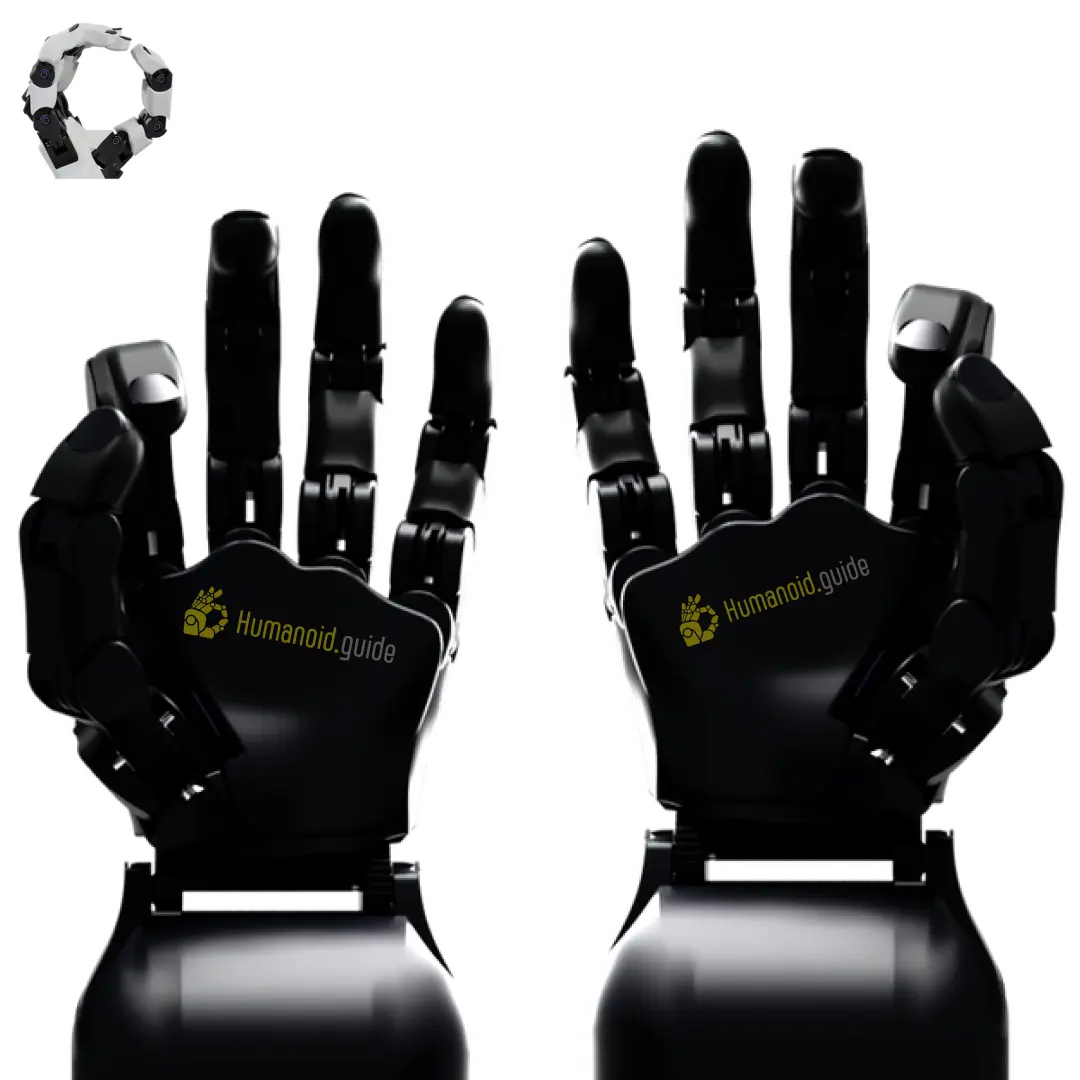
The OrcaHand Touch is a tactile-enabled humanoid robotic hand designed for precise and adaptive manipulation. It combines human-like movement with integrated touch sensing, making it ideal for robotics research and advanced interaction tasks.
Available on backorder
Hand Score
 5
5

Specifications and details:
| Strength [kg] | 7 |
|---|---|
| Weight [kg] | 1.2 |
| Size | Human-hand sized, anthropomorphic design |
| Number of fingers | 5 |
| Degrees of freedom, hands | 17 |
| Tactile/Force Sensors | Yes |
| Motor tech | Dynamixel XC330-T288 + XC430-T240BB / Feetech HL-3915 + HL-3930 |
| Main structural material | 3D-printed components with silicone skin for compliant contact |
| Manufacturer | ORCA Hand / Soft Robotics Lab (ETH Zürich) |
| Nationality | Switzerland |
| Website | https://www.orcahand.com |
| Availability | In production |
Description
The OrcaHand Touch is a human-like robotic hand designed to bring tactile interaction into real-world manipulation. It keeps the familiar five-finger structure, which helps robots handle objects with greater confidence. As a result, the hand can detect contact and adjust its grip more naturally during tasks. This makes it especially useful for applications where precision and feedback matter.
2026 Humanoid Robot Market Report
Interested in the OrcaHand Touch? Download 160 pages of exclusive insight from global robotics experts – uncover funding trends, technology challenges, leading manufacturers, supply chain shifts, and surveys and forecasts on future humanoid applications.

Featuring insights from
Rob Knight
Open source,
humanoid expert

2026 Humanoid Robot Market Report
160 pages of exclusive insight from global robotics experts – uncover funding trends, technology challenges, leading manufacturers, supply chain shifts, and surveys and forecasts on future humanoid applications.
Moreover, the OrcaHand Touch focuses on sensing as much as movement. It integrates tactile feedback directly into the fingers, which improves how robots respond to objects in real time. Therefore, developers can build more adaptive systems for teleoperation, research, and AI training. In addition, the design remains lightweight and modular, so teams can integrate it quickly into different robotic platforms.
Download the Humanoid Robot Market Report here