Humanoid robots link to satellites as space launch plans emerge
Humanoid robotics crossed an unusual boundary this week as two separate efforts pushed the technology toward space operations. According to a report by Electrek, one humanoid robot has directly connected to a low Earth orbit satellite for the first time, while another organization announced plans to send a humanoid robot into space.
2026 Humanoid Robot Market Report
160 pages of exclusive insight from global robotics experts – uncover funding trends, technology challenges, leading manufacturers, supply chain shifts, and surveys and forecasts on future humanoid applications.

Featuring insights from
Aaron Saunders, Former CTO of
Boston Dynamics,
now Google DeepMind

2026 Humanoid Robot Market Report
160 pages of exclusive insight from global robotics experts – uncover funding trends, technology challenges, leading manufacturers, supply chain shifts, and surveys and forecasts on future humanoid applications.
Satellite connectivity milestone
The first development involves a humanoid robot establishing a direct link to a low Earth orbit satellite without relying on terrestrial relay infrastructure. This capability is relevant for remote operation and supervision in environments where ground based networks are unavailable or unreliable. For humanoid platforms, satellite connectivity can support teleoperation, system monitoring, and data transfer during field deployments far from conventional communications.
From a technical perspective, integrating satellite communications into a humanoid platform raises challenges around antenna placement, power consumption, latency management, and interference with onboard perception systems. Demonstrating a working link suggests progress in making humanoid robots more autonomous and deployable in extreme or remote settings.
Plans for a humanoid launch
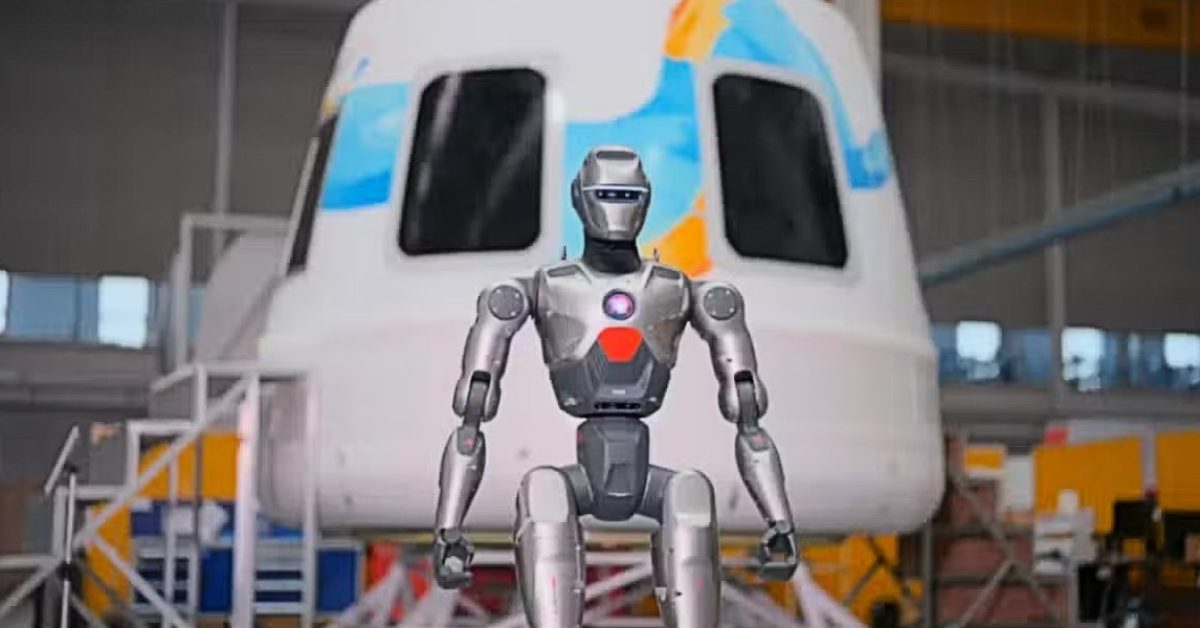
The second announcement described preparations to launch a humanoid robot into space on an upcoming mission. While details on mission profile and operational goals remain limited, such a launch would mark a significant test of humanoid hardware under microgravity, radiation exposure, and launch vibration conditions.
Humanoid form factors are of interest for space agencies and commercial operators because they can use tools and interfaces designed for humans. Testing these robots in orbit could inform future roles in station maintenance, inspection, or emergency response, potentially reducing risk to human astronauts.
Implications for the humanoid sector
Together, the two developments point to a growing interest in extending humanoid robot use beyond terrestrial industry and logistics. They also highlight increasing activity from Chinese organizations in high profile humanoid demonstrations, adding competitive pressure in a field that has so far focused largely on factories and warehouses.
For robotics practitioners, these announcements are less about immediate commercial deployment and more about system robustness, communications integration, and long term platform versatility. Space remains an extreme test case, but progress there can translate into more resilient humanoid robots for demanding Earth based applications.