
Chinese humanoid robots draw attention across CES show floor
Humanoid robots emerge as a central CES theme
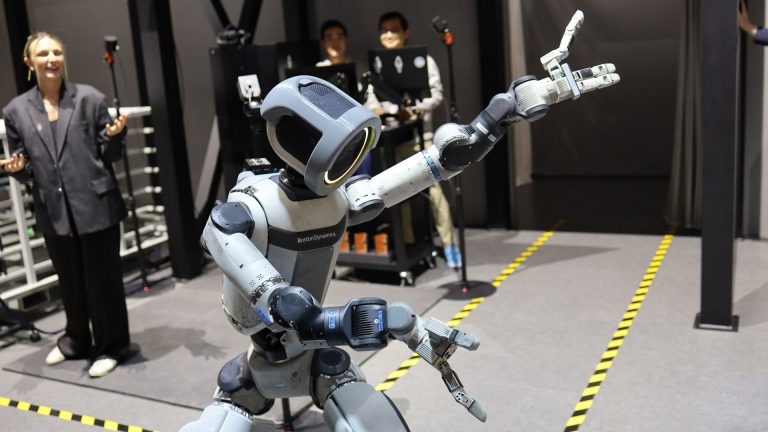
Humanoid robots from Chinese developers attracted sustained attention at CES in Las Vegas, marking a visible shift in how quickly full body robots are moving from lab prototypes to public demonstrations. Across multiple booths, human sized robots were shown performing coordinated movements, object manipulation, and interactive tasks designed to resemble service and light industrial work.
2026 Humanoid Robot Market Report
160 pages of exclusive insight from global robotics experts – uncover funding trends, technology challenges, leading manufacturers, supply chain shifts, and surveys and forecasts on future humanoid applications.

Featuring insights from
Aaron Saunders, Former CTO of
Boston Dynamics,
now Google DeepMind

2026 Humanoid Robot Market Report
160 pages of exclusive insight from global robotics experts – uncover funding trends, technology challenges, leading manufacturers, supply chain shifts, and surveys and forecasts on future humanoid applications.
The demonstrations underscored China’s accelerating investment in humanoid robotics, a field that blends mechanical design, embedded AI, perception, and real time control. While CES traditionally highlights consumer electronics, the presence of humanoid robots signaled growing interest from industrial automation vendors and enterprise buyers.
Capabilities on display
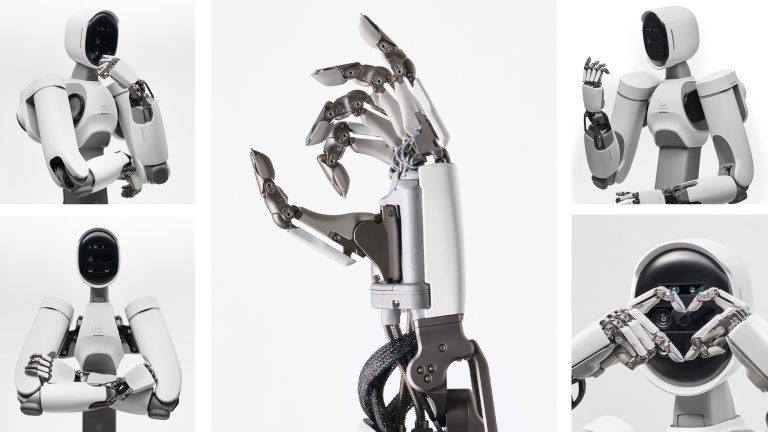
Exhibited humanoids demonstrated bipedal walking, hand dexterity, and visual perception using onboard cameras and sensors. Several systems performed table top tasks such as sorting objects or responding to verbal cues, emphasizing progress in manipulation and human robot interaction rather than scripted motion alone.
- Bipedal locomotion with dynamic balance
- Multi fingered hands for grasping everyday objects
- Vision based navigation and object recognition
- Speech interaction for basic commands
Strategic context
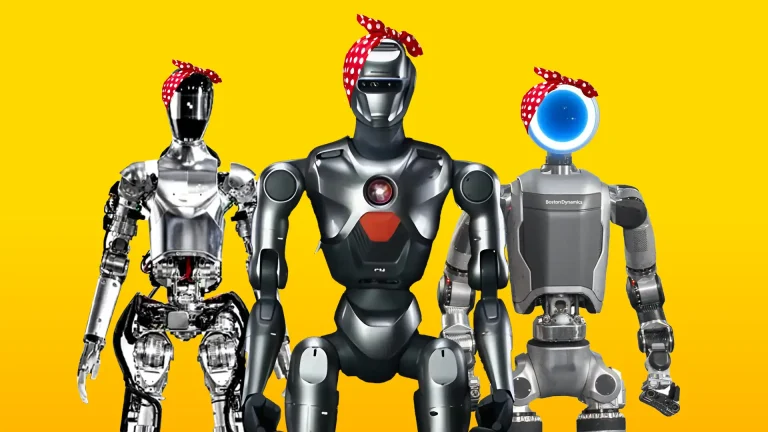
The prominence of Chinese humanoid robots comes amid broader global competition in the sector, including efforts by US and European firms to commercialize general purpose humanoids for factories, logistics, and service roles. Lower cost manufacturing and vertically integrated supply chains are often cited as advantages for Chinese developers as they move toward pilot deployments.
Industry observers noted that while many demonstrations remain controlled and choreographed, the pace of iteration suggests a push toward real world trials within the next few years.
From exhibition to deployment
CES remains a showcase rather than a deployment venue, but the scale and confidence of the humanoid exhibits point to rising expectations from investors and industrial partners. The challenge ahead will be translating staged demos into reliable, safe systems capable of sustained operation in factories, warehouses, and public spaces.
The original report was published by Independent.ie.