Figure AI Helix 02 shows autonomous dexterity as Optimus claims rise
Humanoid competition sharpens around autonomy and dexterity
Recent statements from Tesla and a technical update from Figure AI underline how competition in humanoid robotics is increasingly defined by full body autonomy and fine manipulation. The developments place renewed focus on practical capabilities rather than concept demonstrations.
Speaking during Tesla’s latest earnings call, Elon Musk described the Optimus humanoid robot as leading among non Chinese platforms. The remarks reiterated Tesla’s view that Optimus is progressing toward general purpose tasks, although the company did not disclose new technical benchmarks or deployment timelines during the call.
Figure AI details the Helix 02 platform
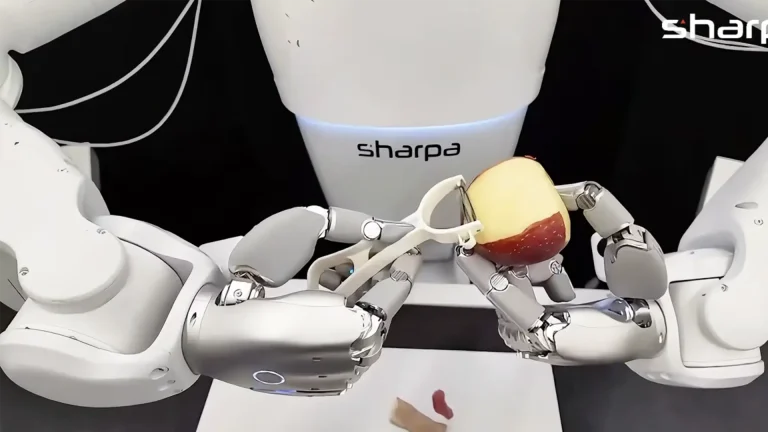
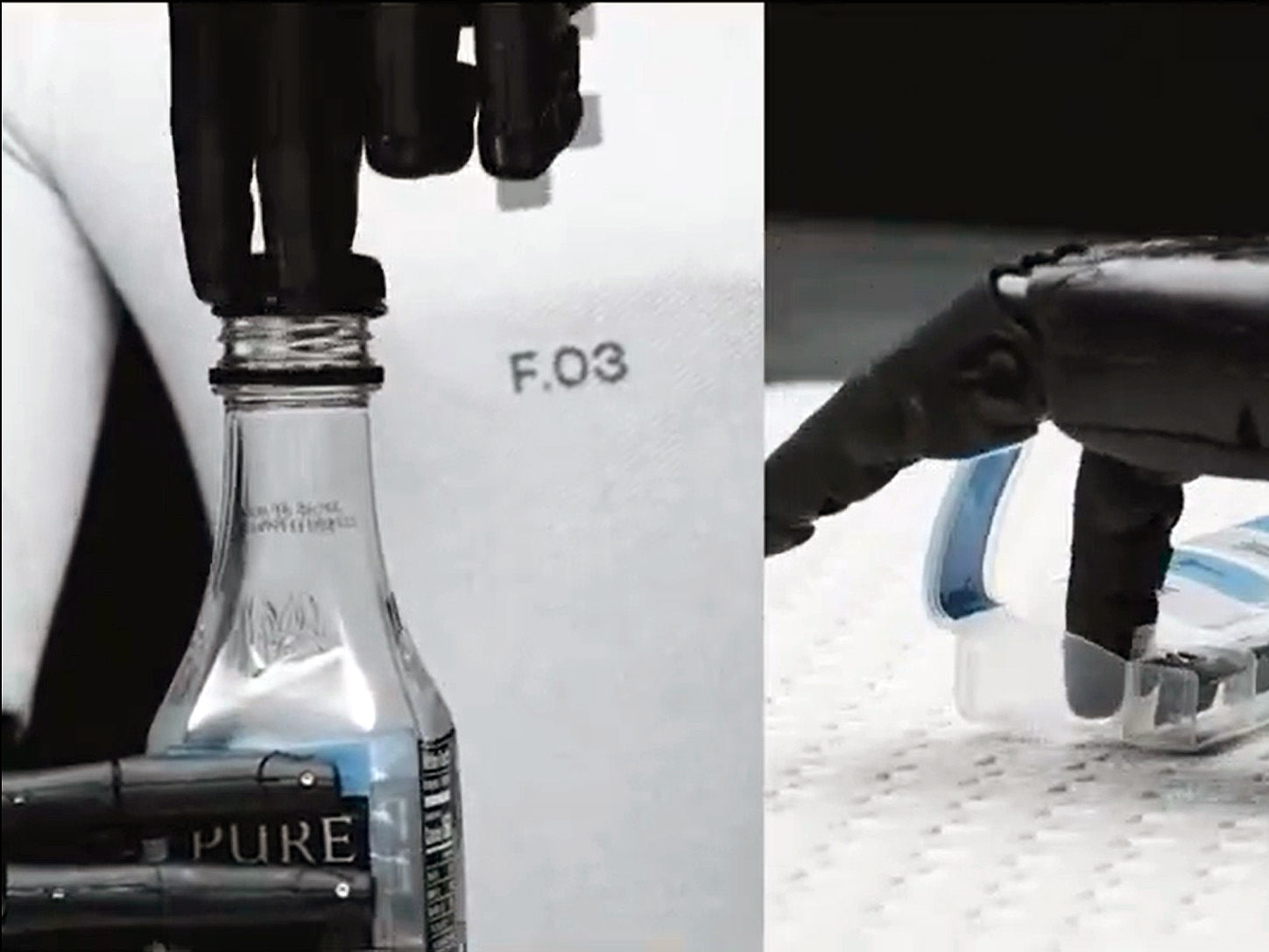
In parallel, Figure AI published details of its Helix 02 humanoid robot platform, highlighting advances in end to end autonomy and hand control. According to the company, Helix 02 can execute complex bimanual tasks without scripted motion, including opening bottle caps using coordinated finger movements.
Figure AI emphasized that Helix 02 operates with full body autonomy, integrating perception, planning, and manipulation in a single control stack. The company positions this approach as critical for real world work in logistics, manufacturing, and service environments where task variation is high.
Industry implications
The juxtaposition of Tesla’s positioning and Figure AI’s technical disclosure reflects a broader industry shift. Developers are increasingly expected to demonstrate repeatable, unscripted task execution rather than isolated stunts. Dexterous manipulation, in particular, remains a key bottleneck for humanoid deployment outside controlled settings.
As multiple vendors in the US, Europe, and China advance humanoid platforms, comparative claims are likely to intensify. For operators and integrators, verifiable performance data, safety validation, and integration pathways will be more decisive than headline statements.
Source: Notebookcheck.net