Hyundai details why Atlas humanoid is ready for factory work
Atlas positioned for industrial automation
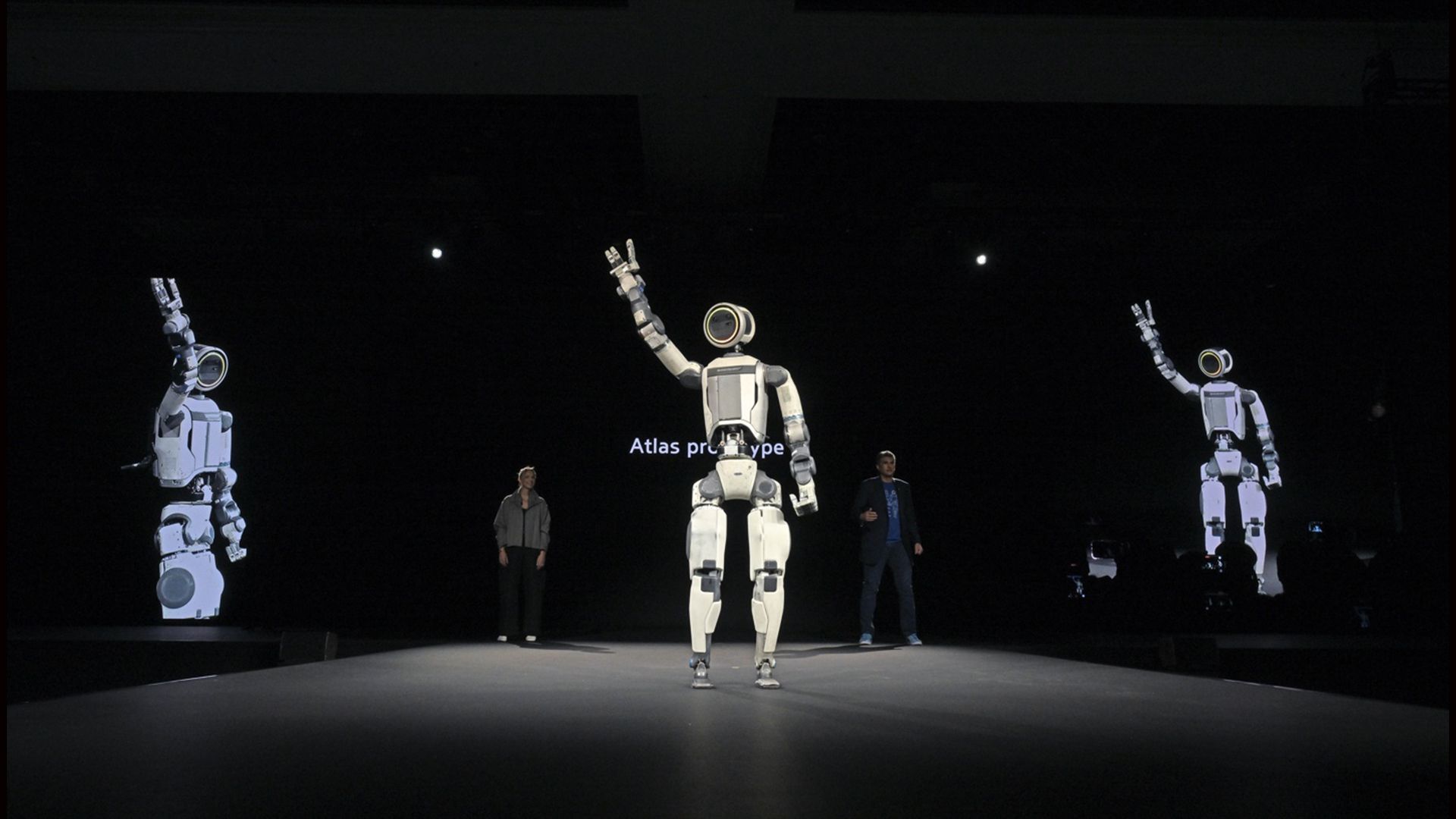
Hyundai Motor Group and its subsidiary Boston Dynamics have outlined why the Atlas humanoid robot is being positioned for factory environments rather than domestic use. Speaking around demonstrations at CES 2026, the companies emphasized that Atlas is designed to handle repetitive, physically demanding tasks where consistency and uptime matter more than humanlike interaction.
The discussion, reported by TechRadar, reflects a broader industry shift toward deploying humanoids in controlled industrial settings before attempting home or service roles.
Why factories come first
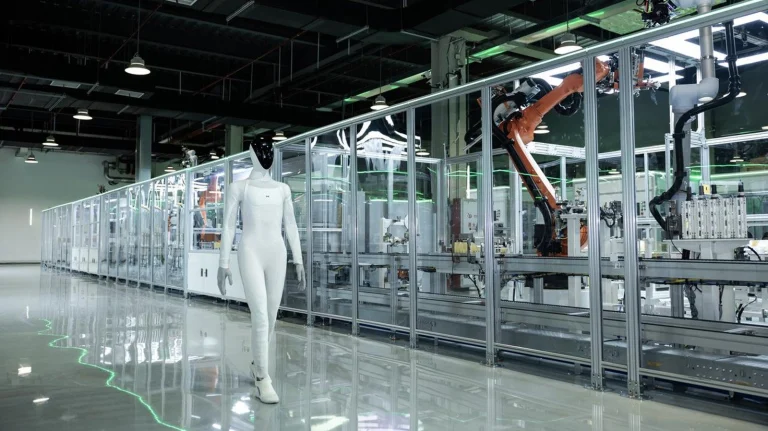
Hyundai executives stressed that Atlas is being optimized for environments such as automotive plants and logistics facilities. These settings offer structured workflows, predictable layouts, and clear safety procedures, all of which reduce deployment risk.
Unlike consumer scenarios, factories can be engineered around the robot. This includes defined work cells, restricted human access during operation, and integration with existing automation systems. The result is faster validation of return on investment and clearer performance benchmarks.
Technical focus areas
Boston Dynamics continues to refine Atlas around several core capabilities relevant to industrial use:
- High torque electric actuation for lifting and manipulation
- Dynamic balance and mobility on uneven factory floors
- Perception systems tuned for industrial objects and fixtures
- Software stacks designed for repeatable task execution
The company also highlighted endurance as a differentiator. Atlas does not experience fatigue and can operate across long shifts, subject to power and maintenance cycles.
Deployment outlook
While Hyundai did not announce large scale commercial deployments, the messaging suggests expanded pilots within Hyundai manufacturing operations. These internal deployments are expected to inform safety cases, reliability metrics, and workforce integration strategies.
Executives were clear that home use is not a near term objective. Domestic environments introduce unstructured interactions, variable safety conditions, and regulatory complexity that remain unsolved for humanoid platforms.
Implications for the humanoid market
The positioning of Atlas underscores a pragmatic approach shared by several humanoid developers. Factories offer a path to incremental adoption where humanoids can complement existing automation rather than replace it outright.
For robotics practitioners and industrial decision makers, the message is that humanoid robots like Atlas are being built first as tools for production and logistics, with broader applications deferred until technical and economic thresholds are met.