India to Fly Humanoid Robot Vyommitra on Gaganyaan G-1 Mission
Humanoid robot central to Gaganyaan validation flight
India’s space programme is preparing for a significant humanoid robotics milestone with the planned uncrewed Gaganyaan G-1 mission, which will carry the humanoid robot Vyommitra. According to The Times of India, the mission is expected by March and will serve as a critical systems validation step ahead of India’s first human spaceflight.
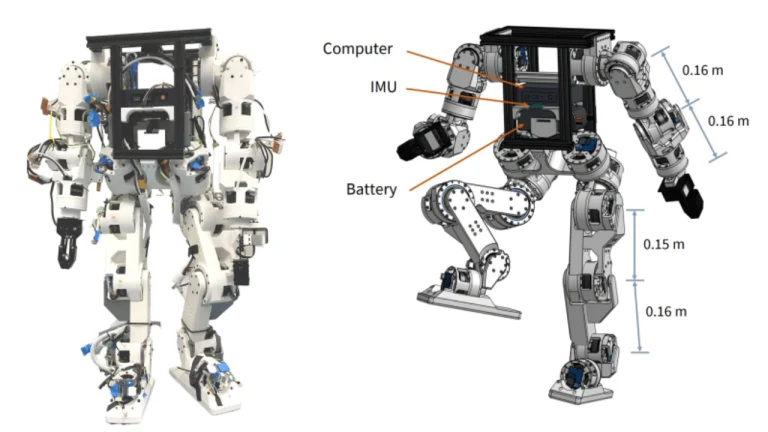
Vyommitra is designed to simulate key aspects of a human astronaut inside the crew module, including monitoring cabin conditions, interacting with onboard systems, and collecting physiological and environmental data during launch, orbit, and reentry.
Role of Vyommitra in crewed mission readiness
The humanoid robot’s primary purpose is to test life support, avionics, human machine interfaces, and emergency protocols under real flight conditions. By occupying the crew seat, Vyommitra enables engineers to validate safety and performance without exposing human astronauts to early mission risks.
ISRO has previously described Vyommitra as capable of:
- Operating switches and touch interfaces designed for astronauts
- Providing telemetry on vibration, acceleration, and cabin environment
- Responding to mission control commands using speech and visual cues
Implications for humanoid robotics in space operations
The Gaganyaan G-1 mission highlights a specialized but important application of humanoid robots in spaceflight. Unlike general purpose humanoids aimed at terrestrial labor, Vyommitra is optimized for confined environments, procedural interaction, and system validation. This approach reflects a broader trend in humanoid robotics toward task specific designs where human form factors are required.
Success of the mission would position India alongside other spacefaring nations that have used humanoid robots to reduce risk in human spaceflight, reinforcing the role of humanoid platforms as transitional systems between uncrewed and crewed missions.