
China tests 1 RMB flash rentals for Qingtianzhu humanoid robots
Ultra low cost access to humanoid robots
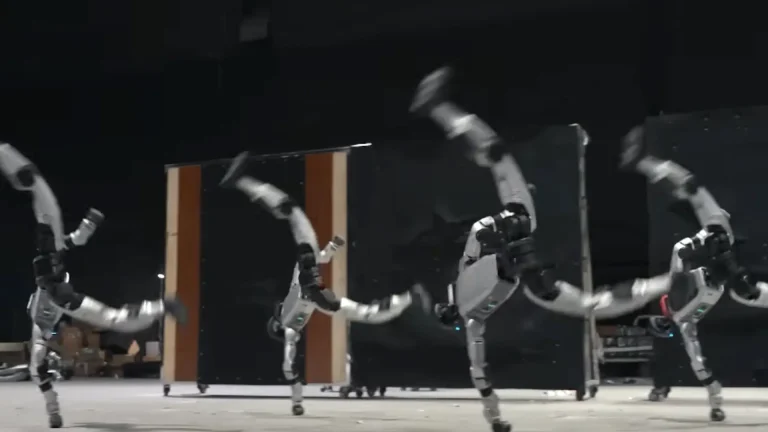
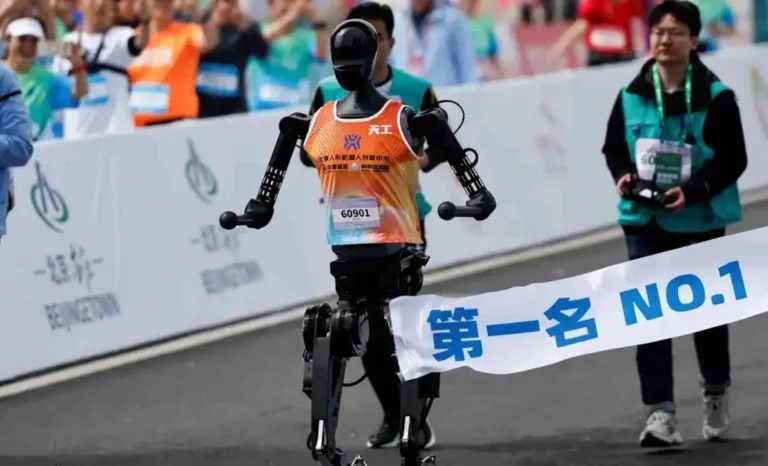
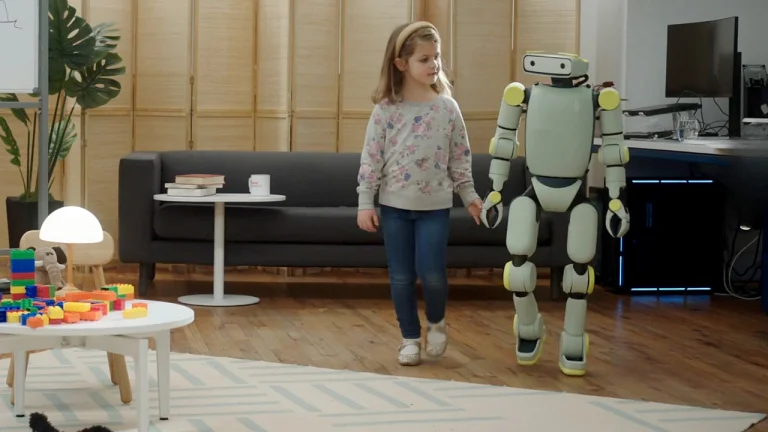
Chinese robotics startup Qingtianzhu has introduced a 1 RMB flash rental service that allows users to temporarily rent its humanoid robots, according to SiliconANGLE News. The program is positioned as a way to lower the barrier to hands on interaction with humanoid platforms and broaden public and developer exposure.
The flash rental model offers extremely short rental windows at a symbolic price, prioritizing trial and visibility over revenue. While details on duration and availability vary by location, the service is designed to scale through high volume participation.
Implications for product iteration and data collection
For humanoid robot developers, the significance of the initiative lies less in the rental fee and more in the potential data pipeline. Large numbers of brief interactions can generate valuable telemetry on manipulation, locomotion stability, human robot interaction, and failure modes in uncontrolled environments.
Such data can feed back into both hardware refinement and embodied AI training, particularly for perception and task execution in public settings. This approach contrasts with limited pilot deployments that prioritize controlled industrial or enterprise customers.
China’s broader humanoid robotics push
The flash rental experiment aligns with a broader Chinese strategy to accelerate humanoid robot adoption through public exposure, government support, and rapid commercialization. Domestic vendors are increasingly emphasizing speed of deployment and iteration rather than polished final products.
For operators and system integrators, the move highlights a potential shift in how humanoid robots are introduced to the market. Instead of staged enterprise rollouts, some vendors may pursue mass trial models to compress development cycles and build familiarity.
Early stage signal, not a deployment model
While the 1 RMB rental should not be interpreted as a sustainable business model, it serves as a signal of intent. Qingtianzhu appears focused on accelerating learning curves and ecosystem engagement at a national scale.
Whether similar approaches will emerge outside China remains uncertain, particularly in regions with higher liability and safety constraints. For now, the initiative underscores how aggressively Chinese humanoid robot companies are experimenting with go to market strategies.